
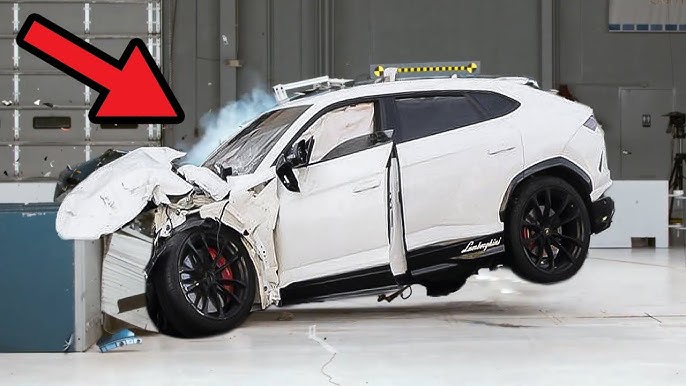
When choosing a new vehicle, safety is one of the most important factors to consider. Crash test safety ratings provide valuable insight into how well a car protects passengers in the event of an accident. These ratings are based on rigorous testing that evaluates structural integrity, airbag performance, crash avoidance technology, and overall occupant protection. In this article, we explore cars with the best crash test safety ratings and explain what makes them stand out as some of the safest options on the road.
While many drivers focus on performance features—such as those found in High-Performance Cars with Turbocharged Engines—a vehicle’s ability to keep its occupants safe remains a top priority for families, commuters, and new drivers alike.
Understanding Crash Test Safety Ratings
Crash test ratings are designed to help consumers compare vehicles based on safety performance. Independent organizations conduct standardized tests and assign ratings that reflect how well a vehicle protects passengers.
Key Aspects Evaluated
-
Frontal crash protection
-
Side-impact resistance
-
Roof strength in rollovers
-
Seat belt and airbag effectiveness
-
Advanced driver assistance systems (ADAS)
Vehicles that perform exceptionally well across these categories earn top safety distinctions.
Safety Features That Improve Crash Test Performance
Modern vehicles with high safety ratings often include a combination of passive and active safety technologies.
Passive Safety Features
-
High-strength steel frames
-
Crumple zones to absorb impact
-
Front, side, and curtain airbags
-
Reinforced passenger cabins
Active Safety Features
-
Automatic emergency braking
-
Lane-keeping assist
-
Blind-spot monitoring
-
Adaptive cruise control
These features not only help protect occupants during a crash but can also reduce the likelihood of accidents altogether.
Cars Known for Excellent Crash Test Safety Ratings
1. Volvo XC90
Volvo has long been associated with safety, and the XC90 continues that tradition. It consistently earns top marks for occupant protection, structural integrity, and advanced safety technology.
Why it stands out:
-
Strong passenger cell
-
Comprehensive airbag system
-
Advanced collision avoidance features
2. Subaru Outback
The Subaru Outback is widely recognized for its safety and reliability. Its symmetrical all-wheel drive and EyeSight driver assistance system contribute to excellent crash test performance.
Why it stands out:
-
Outstanding frontal and side-impact protection
-
Standard advanced safety features
-
Strong roof strength ratings
3. Tesla Model Y
The Tesla Model Y has achieved some of the highest safety scores ever recorded. Its electric design allows for a low center of gravity, which improves stability and rollover resistance.
Why it stands out:
-
Excellent crash energy absorption
-
Advanced driver-assist software
-
Strong performance in rollover tests
4. Honda Accord
A popular midsize sedan, the Honda Accord consistently receives high safety ratings due to its well-engineered structure and standard safety technologies.
Why it stands out:
-
Balanced crash protection across all test categories
-
Reliable braking and collision mitigation systems
-
Proven safety record over multiple generations
5. Mazda CX-5
The Mazda CX-5 combines stylish design with impressive safety credentials. It performs exceptionally well in both front and side-impact crash tests.
Why it stands out:
-
Rigid body structure
-
Advanced airbag coverage
-
Standard safety technology on most trims
Comparison Table: Top Safety-Rated Cars
| Vehicle | Body Type | Safety Strength | Ideal For |
|---|---|---|---|
| Volvo XC90 | SUV | Exceptional occupant protection | Families |
| Subaru Outback | Wagon/SUV | Strong all-around safety | Daily commuting |
| Tesla Model Y | Electric SUV | Industry-leading crash scores | Tech-focused drivers |
| Honda Accord | Sedan | Consistent high ratings | Everyday driving |
| Mazda CX-5 | Compact SUV | Excellent side-impact safety | Small families |
Why Safety Ratings Matter When Buying a Car
Crash test ratings help buyers:
-
Compare vehicles objectively
-
Understand real-world protection levels
-
Make informed decisions for family safety
-
Balance performance, comfort, and security
Even vehicles with similar prices and features can differ significantly in safety performance.
FAQs
What do crash test safety ratings measure?
They measure how well a vehicle protects occupants during various types of collisions, including frontal, side, and rollover crashes.
Are newer cars always safer?
Newer cars often include updated safety technology, but ratings still vary. Always check individual safety scores rather than assuming newer means safer.
Do SUVs have better crash ratings than sedans?
Not always. Many sedans earn top safety ratings, and some SUVs perform worse in certain crash scenarios.
How important are advanced driver assistance systems?
Very important. These systems can prevent accidents or reduce severity, contributing to higher overall safety ratings.
Should safety ratings be a top priority for new drivers?
Yes. High safety ratings are especially important for inexperienced drivers, as they provide additional protection and accident-prevention features.
Final Thoughts
Cars with the best crash test safety ratings offer peace of mind by prioritizing occupant protection through strong structural design and advanced safety technologies. Whether you’re buying a family vehicle, a commuter car, or your first automobile, reviewing crash test ratings is one of the smartest steps you can take. By choosing a vehicle with proven safety performance, you invest not only in comfort and reliability but also in the well-being of everyone on the road.