
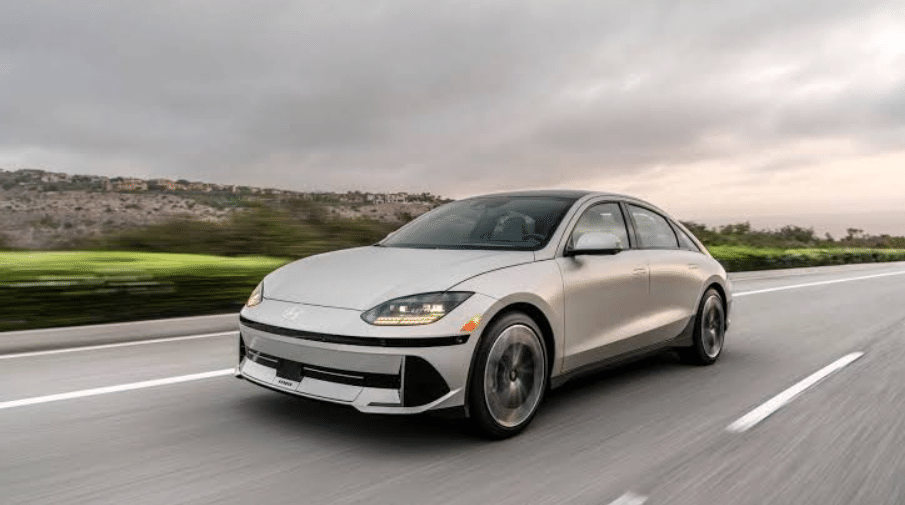
Buying a car is only part of the expense of owning a vehicle. Insurance, fuel, repairs, tires, and routine servicing can add thousands of dollars to your ownership costs over time. That is why choosing one of the cars with the lowest maintenance costs can make a major difference to your budget.
Some vehicles are designed with simple mechanical systems, affordable replacement parts, and strong reliability records. Others may require specialized repairs or expensive components that can quickly increase ownership costs.
If keeping maintenance expenses low is one of your top priorities, the following vehicles are worth considering.
Cars With the Lowest Maintenance Costs
| Car | Type | Main Advantage | Best For |
|---|---|---|---|
| Toyota Corolla | Sedan | Low-cost routine maintenance | Daily commuters |
| Honda Civic | Sedan | Reliability and parts availability | Everyday driving |
| Toyota Camry | Midsize Sedan | Long-term durability | Families |
| Honda Accord | Midsize Sedan | Practical and dependable | Daily use |
| Toyota Prius | Hybrid | Excellent fuel economy | High-mileage drivers |
| Mazda3 | Sedan/Hatchback | Simple ownership | Commuters |
| Hyundai Elantra | Sedan | Affordable servicing | Budget buyers |
| Kia Forte | Sedan | Low-cost parts | Cost-conscious drivers |
| Toyota Yaris | Compact | Simple mechanical design | City driving |
| Honda Fit | Hatchback | Practical and efficient | Urban drivers |
1. Toyota Corolla
The Toyota Corolla has long been associated with affordable ownership. Its popularity means replacement parts are generally easy to find, while routine maintenance is relatively straightforward.
Oil changes, brake service, tires, filters, and other regular maintenance items are typically manageable compared with many larger or more complicated vehicles.
The Corolla is also known for its fuel efficiency and practical design. For someone who wants a dependable commuter car without excessive maintenance expenses, it remains one of the most sensible choices.
2. Honda Civic
The Honda Civic is another excellent option for drivers who want to keep long-term ownership costs under control. It combines good fuel economy with a reputation for durability and widespread parts availability.
The Civic has also been produced in large numbers, which means many mechanics are familiar with its mechanical systems. This can make routine servicing and repairs easier to arrange.
Whether you choose a sedan or hatchback, the Civic can be an economical choice for commuting, school, and everyday transportation.
3. Toyota Camry
If you need something larger than a Corolla, the Toyota Camry is worth considering. It provides more interior space while maintaining a reputation for dependable ownership.
The Camry is particularly attractive for families and drivers who spend significant time on highways. Its larger size does mean that some consumables, such as tires, can cost more than those for a compact car, but overall maintenance can still be reasonable.
A well-maintained Camry can remain useful for many years, making it a popular choice among long-term owners.
4. Honda Accord
The Honda Accord combines midsize-car practicality with relatively affordable maintenance. It offers a comfortable cabin, useful trunk space, and efficient engine options.
One advantage of the Accord is its widespread availability. Mechanics and parts suppliers are familiar with the model, which can make routine servicing more convenient.
For buyers who want more space than a Civic but don’t want the running costs of a large SUV, the Accord is an appealing alternative.
5. Toyota Prius
The Toyota Prius is particularly attractive for drivers who cover a lot of miles. Its hybrid powertrain can significantly reduce fuel expenses, especially during city driving.
Hybrid vehicles do have specialized components, so maintenance considerations are somewhat different from those of conventional gasoline cars. However, the Prius has developed a strong reputation for efficient long-term ownership.
Its regenerative braking system can also reduce traditional brake wear because the electric motor helps slow the vehicle.
For high-mileage commuters, the combination of fuel efficiency and generally manageable maintenance can make the Prius an interesting choice.
6. Mazda3
The Mazda3 is a compact car that combines reasonable maintenance costs with an enjoyable driving experience. It is available as both a sedan and hatchback, giving buyers additional flexibility.
The Mazda3 is relatively compact, which can also help keep costs for tires and other consumable items under control compared with larger vehicles.
Drivers who want something more engaging than a basic commuter car may appreciate the Mazda3 while still benefiting from relatively straightforward ownership.
7. Hyundai Elantra
The Hyundai Elantra is another vehicle to consider when affordability is the main goal. Routine maintenance and replacement parts can be reasonably priced, depending on the model year and location.
The Elantra also offers good fuel economy and a practical cabin. Newer used examples can include modern technology and safety features without requiring the purchase price of a more expensive vehicle.
When buying a used Elantra, always examine its maintenance history and verify that recommended servicing has been completed.
8. Kia Forte
The Kia Forte provides another budget-friendly option for drivers who want a compact sedan. Its relatively simple design and affordable replacement parts can help keep routine ownership expenses manageable.
The Forte is particularly well suited to commuting and everyday city driving. Its compact size can also make parking easier and reduce some running costs.
As with any used car, the exact maintenance cost depends heavily on mileage, age, condition, and how the previous owner treated the vehicle.
9. Toyota Yaris
The Toyota Yaris is a small car designed with simplicity and efficiency in mind. Its compact size makes it particularly suitable for urban driving.
Smaller engines, tires, and other components can help keep routine expenses lower than those associated with larger vehicles.
For someone who primarily needs inexpensive transportation rather than maximum power or luxury, a Yaris can be a practical choice.
10. Honda Fit
The Honda Fit is a small hatchback with a surprisingly useful interior. Its compact dimensions make it easy to drive around crowded cities, while its flexible seating system provides impressive cargo versatility.
Because the Fit is relatively small and efficient, everyday running costs can be manageable. It can be especially appealing to students, commuters, and small households.
A carefully maintained used Fit can provide practical transportation without the ownership expenses associated with larger vehicles.
How to Reduce Car Maintenance Costs
Choosing the right model is only one part of keeping maintenance expenses low. How you maintain the vehicle can have an even bigger effect on long-term costs.
Follow the manufacturer’s recommended maintenance schedule and avoid postponing routine services. Regular oil changes, tire rotations, brake inspections, and fluid checks can help identify problems before they become expensive repairs.
Tire pressure should also be checked regularly. Properly inflated tires can improve fuel economy and reduce uneven wear.
Pay attention to warning lights and unusual noises. A small problem can sometimes be inexpensive to repair when addressed early, while ignoring it may lead to a much larger repair bill.
It is also worth comparing prices between dealerships and independent repair shops. For routine work, a reputable independent mechanic may offer competitive pricing.
What Makes a Car Cheap to Maintain?
Several factors influence maintenance costs. Simpler mechanical designs are often easier and less expensive to repair. Models with widely available parts can also be cheaper to service.
Vehicle popularity matters as well. When many cars of the same model are on the road, mechanics are more likely to have experience working on them.
Fuel economy, tire size, engine complexity, and the availability of affordable replacement parts can all affect the total cost of ownership.
Most importantly, maintenance costs vary between individual vehicles. A poorly maintained car can become expensive regardless of how reliable the model is generally considered.
Final Thoughts
The cars with the lowest maintenance costs are often compact, efficient, and widely available models from manufacturers with large service networks. Vehicles such as the Toyota Corolla, Honda Civic, Toyota Camry, Honda Accord, Toyota Prius, Mazda3, Hyundai Elantra, and Kia Forte can all be worth considering.
However, the cheapest car to maintain is not necessarily the cheapest car to buy. Look at the complete ownership picture, including fuel, insurance, tires, routine service, repairs, and depreciation.
Before purchasing a used vehicle, check its service history and have it inspected by a qualified mechanic. Choosing a well-maintained example can make a significant difference in how much you spend over the life of the car.
For drivers who want to minimize unexpected expenses, focusing on reliability, simple maintenance, affordable parts, and good fuel economy is one of the smartest ways to reduce the overall cost of car ownership.