
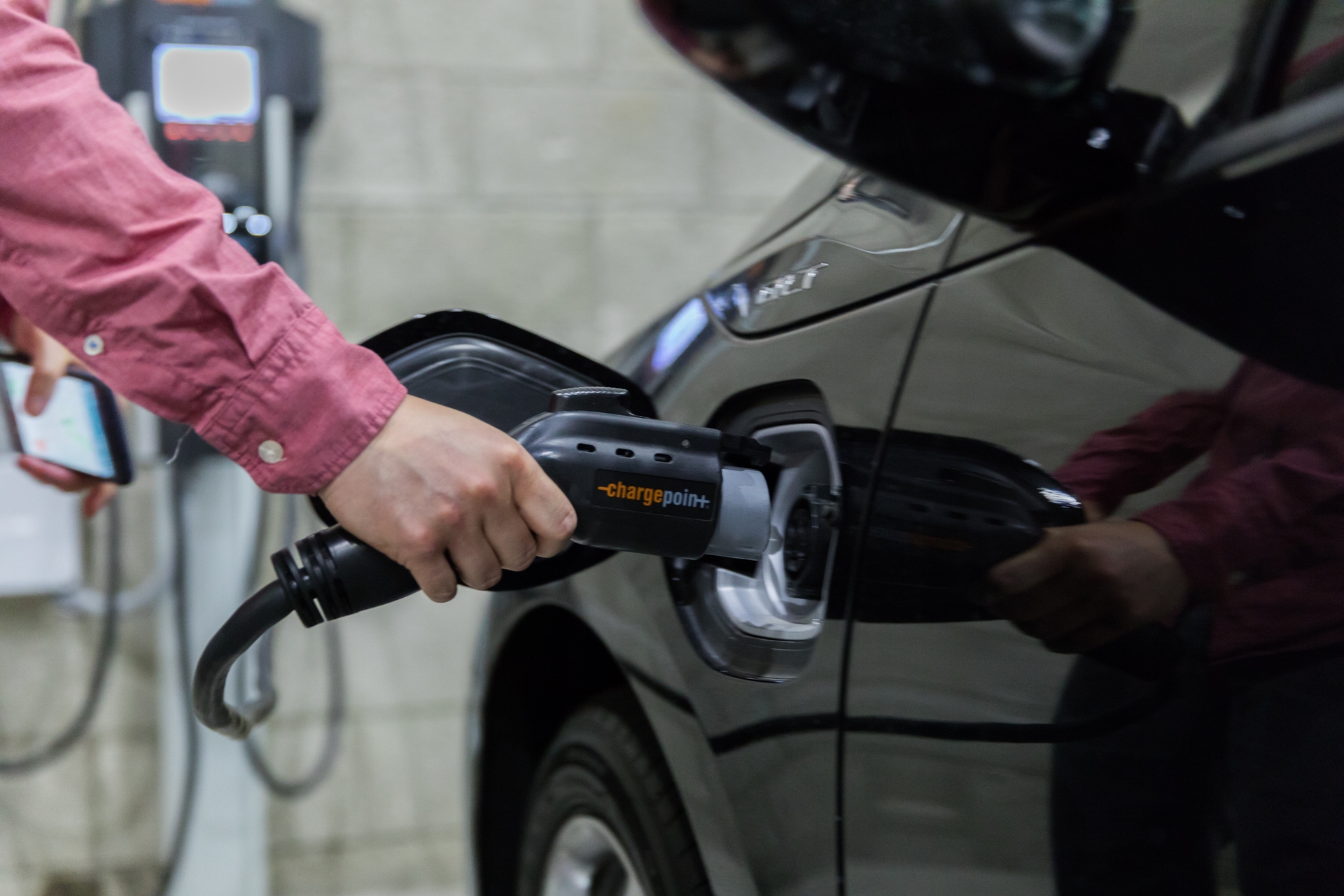
Electric vehicles (EVs) are transforming how we drive — offering cleaner transportation, lower maintenance costs, and independence from fossil fuels. However, one of the most common concerns among EV owners is what happens when the power goes out. Since electric cars rely on the grid to recharge, power outages can disrupt your plans, especially during emergencies.
Fortunately, there are several practical solutions and strategies to keep your electric car charged and ready, even when the lights go out. This article explores how to charge an electric car during a power outage, the best backup options, and preventive measures to ensure peace of mind.
Why Power Outages Are a Challenge for EV Owners
Unlike gasoline cars that can be refueled at any station with stored fuel, electric vehicles depend on electricity to recharge. During a power outage, your home charging station and many public chargers may become unavailable if they lack backup power.
Power outages can occur for a variety of reasons — severe weather, grid maintenance, wildfires, or high energy demand. In regions where outages are frequent, such as rural areas or storm-prone states, having a backup charging plan is essential.
Can You Charge an EV When the Power Is Out?
Yes, but it depends on the backup systems you have in place. Electric vehicles cannot charge from the grid during an outage, but you can still use alternative power sources like generators, solar energy systems with battery storage, or mobile charging services.
The key is preparation. Investing in a backup charging option ensures your car remains usable for transportation, emergencies, or even powering essential home devices if your EV supports bidirectional charging.
Reliable Ways to Charge Your Electric Car During a Power Outage
1. Home Battery Backup Systems
A home battery system, such as the Tesla Powerwall, LG Chem RESU, or Generac PWRcell, stores energy from your solar panels or the grid when electricity is available. During a power outage, the battery automatically provides power to your home — including your EV charger.
Pros:
-
Seamless transition during outages
-
Eco-friendly and quiet operation
-
Can be integrated with solar panels
Cons:
-
High upfront cost
-
Limited storage capacity for long outages
2. Solar Power Systems
Solar panels paired with battery storage can keep your EV charged using renewable energy. When sunlight is available, your system generates electricity that can be used directly or stored for later use.
Best For: Homeowners in sunny regions who want sustainable and independent energy solutions.
Note: Solar panels alone (without battery storage) usually shut off during outages for safety reasons, so combining them with batteries is essential.
3. Portable Generators
A portable gasoline, propane, or diesel generator can provide temporary power to your home charger or Level 1 (120V) charging cable. While not ideal for regular use, it’s a reliable emergency option.
Pros:
-
Widely available and affordable
-
Can power multiple home appliances
Cons:
-
Noisy and emits fumes
-
Limited by fuel supply
-
Slower charging times
Tip: Ensure your generator provides a stable power output and use a transfer switch to safely connect it to your home system.
4. Bidirectional Charging (Vehicle-to-Home Systems)
Some newer electric vehicles support bidirectional charging, meaning they can both draw and supply electricity. In a power outage, your EV can act as a mobile power source for your home.
Examples:
-
Ford F-150 Lightning
-
Hyundai Ioniq 5
-
Nissan Leaf (with CHAdeMO port)
Advantages:
-
Turns your EV into an emergency generator
-
Efficient use of stored vehicle energy
Limitations:
-
Requires compatible hardware and home integration
-
Drains vehicle battery if not monitored carefully
5. Public Charging Stations With Backup Power
Certain public charging stations are equipped with generators or battery backups to remain operational during outages. These are often found near emergency routes, government facilities, or major highways.
Check apps like PlugShare, ChargePoint, or Electrify America to locate backup-equipped stations in your area.
Comparison Table: Backup Options for EV Charging During a Power Outage
| Backup Option | Power Source | Pros | Cons | Ideal For |
|---|---|---|---|---|
| Home Battery System | Stored solar or grid power | Quiet, automatic, sustainable | Expensive upfront | Solar homeowners |
| Solar Panels + Battery | Renewable solar energy | Clean, long-term independence | Limited by sunlight | Eco-conscious drivers |
| Portable Generator | Fuel-based | Affordable, flexible | Noisy, polluting | Occasional emergency use |
| Bidirectional Charging | Vehicle’s own battery | Dual-purpose, efficient | Hardware required | Owners of compatible EVs |
| Public Backup Chargers | Grid or battery-supported | Convenient | Limited availability | Urban and highway travelers |
How to Prepare Before a Power Outage
Preparation is the key to maintaining mobility during a blackout. Here’s how to stay ready:
-
Keep your battery charged: Maintain at least 70–80% charge if you live in an area prone to outages.
-
Install backup systems early: Don’t wait for an outage to occur before setting up solar or generator connections.
-
Know your range: Familiarize yourself with the nearest backup-equipped charging stations.
-
Reduce energy consumption: Use eco-driving modes and minimize nonessential power usage in your car during outages.
-
Stay informed: Monitor weather alerts and utility updates for outage predictions and recovery times.
Safety Considerations
When using backup power sources like generators or solar systems, safety should always come first.
-
Avoid carbon monoxide hazards: Never operate generators indoors or in enclosed spaces.
-
Use certified electricians: Ensure your backup setup meets local electrical codes and safety standards.
-
Prevent overloading: Check the voltage compatibility between your EV charger and the backup source.
-
Monitor charging: During off-grid charging, keep an eye on temperature and charging rate to prevent damage to the battery or system.
Long-Term Solutions: The Future of Off-Grid EV Charging
Technology is rapidly advancing to make EV charging more resilient. Future developments include:
-
Vehicle-to-grid (V2G) technology: Cars feeding power back into the grid to balance energy supply.
-
Smart microgrids: Localized power systems that operate independently during grid failures.
-
Solar-integrated EV chargers: Self-sustaining units capable of providing consistent energy even during blackouts.
As EV infrastructure evolves, these systems will make power outages less of a concern for electric car owners.
When to Consider Hybrid Alternatives
If you live in an area with frequent outages or unreliable grid access, a hybrid vehicle might be a practical interim solution. Hybrids use both fuel and electric power, reducing reliance on charging infrastructure while still being eco-friendly.
Many families explore hybrid options as a bridge between traditional and electric vehicles — such as those featured in Top Affordable Hybrid SUVs for Families. These models combine efficiency, flexibility, and comfort while minimizing charging concerns.
FAQs About Charging an Electric Car During a Power Outage
Q1. Can a power bank or small battery charge an EV?
No. Electric cars require high-capacity power sources. Standard portable batteries cannot provide enough energy for vehicle charging.
Q2. How long can an EV battery last without charging?
If unused, most EVs retain charge for weeks, but it’s recommended to top up at least once every two weeks to maintain battery health.
Q3. Can I charge my EV using my home solar panels during a blackout?
Yes, but only if your system includes a battery backup. Standard grid-tied solar setups automatically shut down during outages.
Q4. How much power does an EV need to charge?
Depending on your charger level, EVs can require anywhere from 3 to 11 kW of power per hour of charging.
Q5. Should I unplug my EV during an outage?
Yes. Unplug during unstable power conditions to prevent voltage surges when electricity returns.
Final Thoughts
Charging an electric car during a power outage may seem daunting, but with the right preparation and equipment, it’s entirely manageable. Whether through home batteries, solar storage, generators, or bidirectional charging, you have multiple options to stay mobile and independent.
As the world transitions toward renewable energy and smarter infrastructure, electric vehicle owners are better equipped than ever to handle disruptions. With foresight and planning, your EV can remain reliable — even when the grid goes dark.