
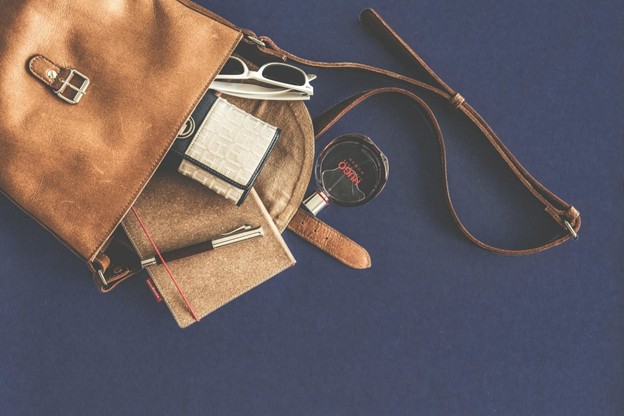
Fresh style and a lighter footprint can go hand in hand. Today’s best everyday bags blend smart design with materials and practices that respect the planet.
From office commutes to weekend errands, you can find pieces that look polished, carry what you need, and last. The key is knowing what to look for and where to invest.
Why Sustainable Bags Matter
Sustainable bags reduce waste, save resources, and extend product lifecycles through reuse and repair. They encourage better supply chains by rewarding brands that cut emissions and improve labor standards. Your purchase becomes a vote for the kind of fashion you want to see.
A 2024 market analysis from Reports and Insights valued the global sustainable bags market at about $3.4 billion in 2024, with projections nearing $9.5 billion by 2033. That growth signals stronger availability, wider styles, and better price ranges. It suggests more innovation in recycled and low-impact materials.
For everyday use, this is good news. More choice means you can prioritize durability without sacrificing looks. It means brands compete on quality and accountability, which tends to raise the bar for the whole category.
The Rise Of Secondhand Luxury
Resale has moved from niche to normal, and it brings serious style at a gentler cost to the planet. High-quality bags hold up well in a second life, which makes them ideal for circular shopping. Patina and character become part of the charm.
A report from Global Growth Insights noted that the secondhand luxury goods market totaled tens of billions of dollars in 2024 and is on track for strong gains over the next decade. That momentum helps shoppers access premium craftsmanship at lower prices. It keeps pieces in use longer, which cuts demand for virgin materials.
If you love hands-free silhouettes, you can explore curated picks like exclusive secondhand body bags for women as part of your search. You get comfort, secure storage, and a sleek profile. When sourced thoughtfully, you get the satisfaction of choosing circular fashion.
Materials That Look Good And Do Good
Not all materials are equal in their impact or performance. Recycled textiles, plant-based options, and upcycled leather alternatives continue to improve in feel and durability. The best versions resist scuffs, keep their structure, and age gracefully.
Reporting from Reuters highlighted a recycled leather maker whose process cuts the carbon footprint significantly compared with conventional leather. For everyday users, that means you can get the familiar look and handfeel while shrinking environmental costs. It is a practical way to align taste with values.
When comparing materials, check for clarity on inputs and processing. Look for third-party certifications or detailed supplier notes. Transparent brands usually talk clearly about fiber content, coatings, and care.
Choosing The Right Bag For Your Day
Start with the function. List your daily carry items and pick a size that fits them without bulk. The best everyday bag feels balanced, distributes weight well, and does not require constant adjusting.
Consider access and security. Top zips, inner dividers, and a quick-reach pocket make commuting smoother. If you move between work and social plans, modular straps let you switch from crossbody to shoulder in seconds.
Style comes next. Neutral colors pair with most wardrobes, while a subtle texture adds interest. If you prefer a compact profile, choose a structured body that holds shape so outfits stay crisp.
Caring For Your Bag To Extend Its Life
Routine care is the greenest upgrade. Empty crumbs, wipe surfaces with a soft cloth, and air out liners weekly. Little habits prevent stains and odors from setting in.
Rotate bags to rest straps and seams. Overloading a single bag every day can stress stitching and hardware. By swapping between two or three options, you spread the wear and keep each piece looking sharp.
Store with shape in mind. Use a dust bag or pillowcase, stuff lightly with clean fabric, and avoid damp spaces. Good storage prevents creasing and color transfer, so your investment lasts.
How To Shop With Impact
Buy better, not more. A single well-made bag that fits your routine beats a closet of so-so options. Focus on stitching, hardware quality, and repairability so you keep the bag longer.
Ask questions before you buy. Check where the material comes from, how it is treated, and whether parts are replaceable. Clarity from the brand often signals better standards behind the scenes.
Think total cost of ownership. If a bag is easier to clean, fix, and style with what you already wear, it will deliver more value per use. That is smart for your wallet and for the planet.

No matter your style, you can find chic pieces that work hard without weighing on the planet. Choosing secondhand or responsibly made materials keeps fashion fun and thoughtful. With a little care and planning, your everyday bag can stay by your side for years.