
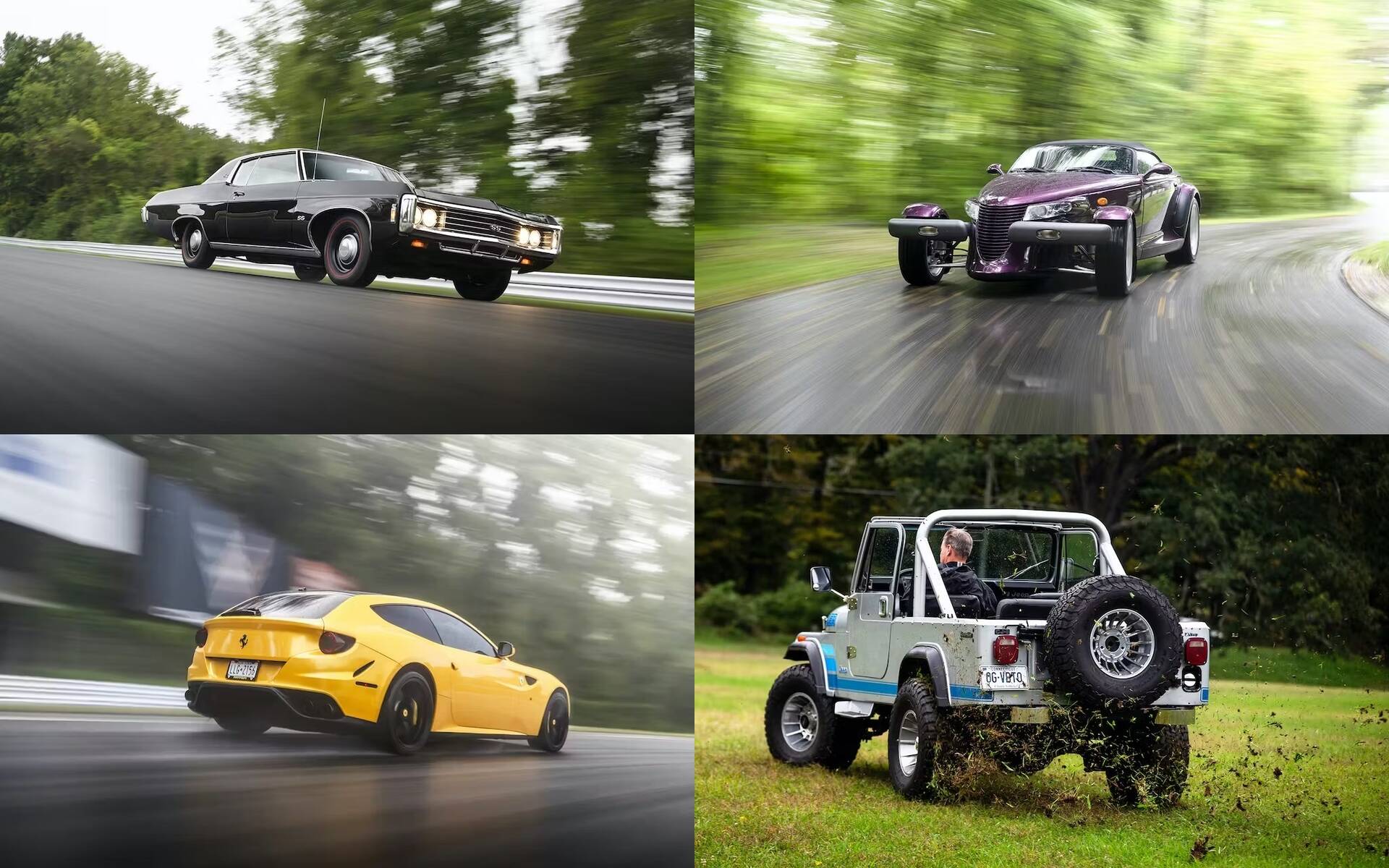
Classic muscle cars hold a special place in American automotive history. With their raw power, aggressive styling, and iconic status, they symbolize freedom, rebellion, and a golden era of automotive design. But more than nostalgia, these machines are now increasingly seen as appreciating assets. As newer generations enter the collector market, demand for classic muscle cars has surged—along with their values.
Whether you’re a seasoned collector or a curious enthusiast, understanding which muscle cars are climbing in value can help you make smart buying (or holding) decisions. In this article, we’ll highlight classic muscle cars that are rising in value, what makes them desirable, and how they compare in the current market.
And while electrification is the future—just look at the Best Electric Cars for Long-Distance Travel 2025—classic muscle cars continue to grow in cultural and monetary value, offering a unique and irreplaceable driving experience.
Why Muscle Cars Are Gaining Value Again
Several factors are fueling the rise in value of vintage muscle cars:
-
Limited production numbers – Rare models are always in demand.
-
Cultural nostalgia – 60s–70s models resonate with both baby boomers and millennials.
-
Increased interest from younger collectors – Many younger buyers now value analog driving experiences.
-
Restomod popularity – Modernized muscle cars (restorations with updated parts) are becoming hot items.
Top Classic Muscle Cars Climbing in Value
Here’s a look at some of the top models making waves in the collector’s market.
| Model | Year Range | Notable Features | Current Market Trend |
|---|---|---|---|
| 1970 Chevrolet Chevelle SS 454 | 1970 | LS6 V8, 450 hp, one of the fastest production cars of its time | Steadily increasing in value |
| 1969 Dodge Charger R/T | 1968–1970 | Iconic “Dukes of Hazzard” car, powerful 440 Magnum engine | Strong demand from collectors |
| 1971 Plymouth ‘Cuda 426 HEMI | 1970–1971 | Rare, aggressive design, powerful HEMI engine | Auction prices trending upward |
| 1969 Pontiac GTO Judge | 1969–1971 | High-performance package, standout styling | Rapidly appreciating in value |
| 1965 Shelby GT350 | 1965–1966 | Limited production, race-bred performance | One of the fastest growing values |
| 1973 Ford Mustang Mach 1 | 1971–1973 | More affordable entry, rising among younger collectors | Increasing interest and price |
| 1968 AMC AMX | 1968–1970 | Underrated two-seater, strong performance | Gaining recognition and value |
Deep Dive: Noteworthy Models
1. 1970 Chevrolet Chevelle SS 454
This car is a legend. With its LS6 engine producing 450 horsepower, the Chevelle SS 454 was a monster on the street—and remains a dream for collectors. Its rising value reflects both performance and rarity.
2. 1969 Dodge Charger R/T
Made famous by film and television, the ‘69 Charger R/T has become one of the most iconic muscle cars of all time. The 440 Magnum and optional 426 HEMI engines make it a must-have.
3. 1971 Plymouth ‘Cuda 426 HEMI
Only a few hundred were made, making this car exceptionally rare. If you spot one at auction, expect bidding wars. This model is already a six-figure car and continues to climb.
4. 1965 Shelby GT350
The original Shelby GT350 is a collector’s dream. With track-ready performance and Carroll Shelby’s signature engineering, it’s no wonder these cars fetch well over $300,000 in top condition.
What’s Driving This Market Surge?
Classic muscle cars are benefiting from broader cultural trends:
-
Shift toward collectible assets: Like art or vintage watches, cars are now alternative investments.
-
Authenticity appeal: In a world of digital everything, analog muscle cars offer raw, unfiltered experiences.
-
Electric car revolution: As we move toward quieter, cleaner vehicles (like the Best Electric Cars for Long-Distance Travel 2025), the rumble of a V8 becomes more nostalgic—and more valuable.
How to Spot a Good Investment Muscle Car
Here’s what to look for when evaluating a potential purchase:
| Factor | Why It Matters |
|---|---|
| Originality | Numbers-matching engines and parts retain highest value |
| Condition | Restored cars are great, but original condition can be more valuable |
| Documentation | Maintenance records and original manuals increase value |
| Limited Production | Rarer models appreciate faster |
| Cultural Significance | Cars featured in movies or TV often rise in value |
Tips for Buying and Owning a Classic Muscle Car
-
Do Your Research – Know the market value and history of the model you’re eyeing.
-
Inspect Thoroughly – Use a trusted mechanic or classic car appraiser.
-
Store It Properly – Climate-controlled garages prevent damage from moisture and temperature shifts.
-
Drive It Occasionally – Regular use keeps mechanical systems healthy and prevents deterioration.
-
Join Car Clubs and Forums – Learn from seasoned collectors and get access to exclusive events.
FAQs: Classic Muscle Cars
Q1: Are muscle cars still a good investment in 2025?
Yes. With continued demand, limited supply, and cultural relevance, muscle cars are not only fun but also financially sound investments.
Q2: How much maintenance do classic muscle cars require?
It depends on the condition and frequency of use. Expect periodic maintenance, but with proper care and storage, issues can be minimized.
Q3: Can younger collectors enter the market affordably?
Absolutely. Models like the AMC AMX or Ford Mustang Mach 1 are still relatively affordable entry points.
Q4: Do restomods hold the same value as original restorations?
Not usually. While restomods offer modern comfort and safety, originality typically commands higher value in the collector’s market.
Q5: Are muscle cars practical for daily driving?
Not particularly. They’re better suited for weekend drives, shows, and investments. Their value increases when mileage stays low and condition stays pristine.
Final Thoughts
Classic muscle cars are more than just vehicles—they’re rolling pieces of American history. As electric and autonomous cars become the norm, the growl of a V8 engine and the visceral experience of driving a 60s or 70s muscle car will only grow rarer—and more valuable.
While the world may be focused on the Best Electric Cars for Long-Distance Travel 2025, there’s still a strong (and growing) market for classic muscle machines that deliver horsepower, heritage, and head-turning style.
Whether you’re a passionate collector or someone exploring your first vintage car purchase, now is a smart time to invest in these timeless icons.