
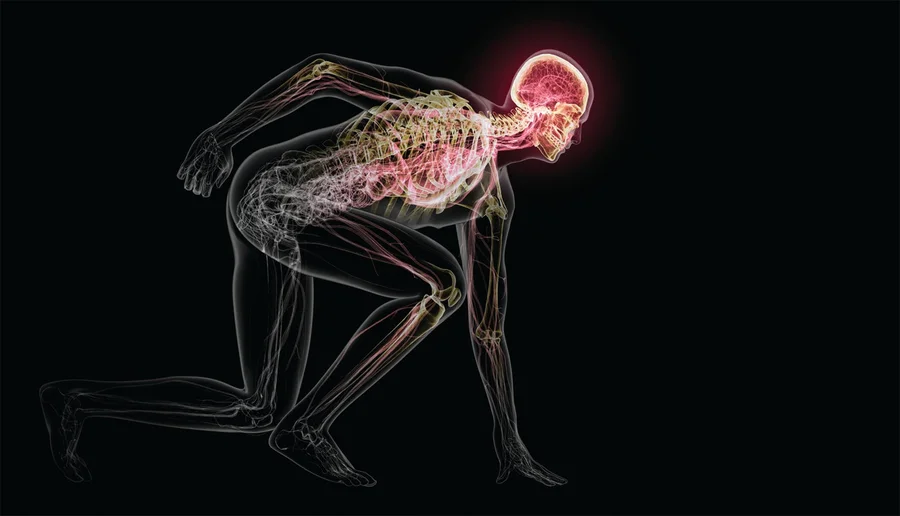
When you think about exercise, you probably imagine stronger muscles, better stamina, or maybe just staying in shape. But science shows that movement doesn’t just transform the body — it transforms the mind. Every time you walk, stretch, or lift something, your brain responds in extraordinary ways. In fact, scientists now describe physical activity as one of the most powerful tools we have for improving memory, focus, and long-term brain health.
The Brain’s Energy and Oxygen Connection
Your brain thrives on oxygen, glucose, and stimulation, and movement helps deliver all three. When you exercise, your heart pumps more blood throughout your body, sending a rush of oxygen and nutrients directly to brain cells. This increase stimulates the release of growth chemicals like **BDNF (brain-derived neurotrophic factor) which acts almost like fertilizer for neurons. It strengthens communication between brain cells and helps them form new pathways — the biological foundation for learning and memory.
Think of it this way, such that each time you move your body, you’re giving your brain a gentle polish, helping it stay sharp, flexible, and adaptive.
Why Movement Improves Thinking and Creativity
Research shows that moderate physical activity directly improves mental clarity and creative thinking. Exercise activates regions in the brain, such as the hippocampus and prefrontal cortex, both connected to decision-making, concentration, and memory. That’s why so many people come up with fresh ideas during a long walk or a jog — physical movement literally recharges the brain’s problem-solving circuits.
Interestingly, short bursts of movement can provide an almost immediate uplift in mood and focus. Even ten minutes of brisk activity lowers cortisol (the stress hormone), increases dopamine and serotonin levels, and resets attention after long periods of mental fatigue.
Not All Exercise Boosts the Brain the Same Way
Different types of movement benefit the brain in slightly different ways:
- Aerobic exercise (running, dancing, swimming) boosts memory, learning speed, and creativity.
- Strength training improves working memory and attention control, promoting long-term mental endurance.
- Balanced, mindful movements like yoga or tai chi enhance emotional stability by lowering stress and anxiety.
This variety means there’s a cognitive benefit for every kind of mover — from gym enthusiasts to casual walkers.
Movement as a Shield Against Brain Aging
As we age, brain cells slowly lose connectivity, and memory sometimes begins to slip. But staying active can delay or even prevent some of that decline. Studies have found that regular physical activity boosts gray matter volume and protects the brain from age-related disorders such as Alzheimer’s. Active older adults often show stronger attention, sharper recall, and faster reasoning abilities than inactive adults of the same age.
The key is consistency. Your brain, like a muscle, grows stronger when challenged regularly.
How Stress and Movement Interact
Chronic stress floods the brain with cortisol, which can damage neural connections. Exercise helps regulate that stress response. It doesn’t erase life’s pressures, but it equips your body and mind to handle them with greater calm. Regular movement acts as a natural mood stabilizer — not by forcing happiness, but by allowing the brain’s chemistry to rebalance naturally.
Making Daily Movement a Habit
You don’t have to overhaul your lifestyle to support brain health. The science suggests small, steady efforts pay off:
- Set a goal of 150 minutes per week of moderate physical activity.
- Include simple movements like stair climbing, household chores, or dancing breaks.
- If you sit for long hours, stand up or walk around every hour for at least two minutes.
- Add stretching or balance exercises to improve focus and relaxation.
Consistency matters more than intensity your brain doesn’t care how fancy your exercise looks, only that you keep showing up.
The Mind Body Partnership
Modern neuroscience confirms what ancient wisdom long suggested: the body and mind are deeply linked. Movement keeps your brain young, flexible, and ready to adapt. So next time you feel mentally drained, don’t just push through. A short walk, a few minutes of stretching, or a light workout can be enough to recharge your mental circuits. Your mind will thank you, and your body will too.
Takeaway
Exercise doesn’t just build stronger muscles — it builds stronger minds. Every bit of movement lights up your brain, fuels learning, and supports memory, creativity, and mood. To think more clearly, start by moving more often.
Author Bio:
James Hammer creates practical, science-backed content for anyone committed to aging with strength and confidence. He also evaluates supplement and compound trends — such as insights into the best place to buy SARMs that are designated for research use only.