
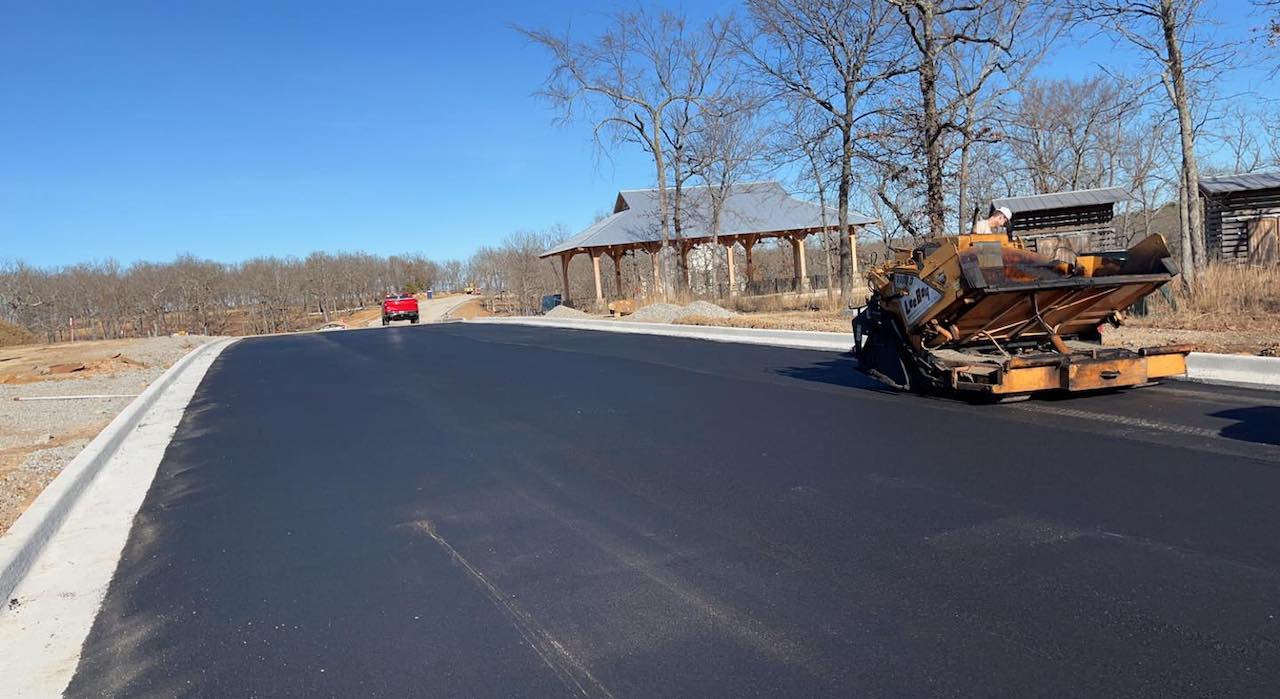
Commercial properties rely heavily on well-maintained parking lots, driveways, and access roads to create a professional image and ensure safe functionality. Asphalt paving and sealcoating are two critical services that not only enhance the appearance of these surfaces but also extend their lifespan and protect against costly repairs. For business owners and property managers, understanding the compliance requirements, durability factors, and return on investment (ROI) considerations associated with asphalt paving and sealcoating is essential for making informed decisions about infrastructure maintenance.
Compliance in Asphalt Paving
Compliance is a fundamental aspect of commercial asphalt projects. Businesses must adhere to local, state, and federal regulations governing construction, accessibility, and safety. One of the most important compliance considerations is the Americans with Disabilities Act (ADA) in the United States, which requires parking lots and walkways to meet specific accessibility standards. This includes proper slope gradients, designated handicapped parking spaces, and clear signage.
Beyond accessibility, compliance also involves meeting environmental regulations. Proper drainage systems must be incorporated into asphalt paving projects to prevent water pooling and erosion. Stormwater management requirements often dictate how surfaces are designed and maintained to minimize environmental impact. Contractors must also follow local building codes and obtain necessary permits before beginning work. Ensuring compliance not only avoids legal penalties but also demonstrates a commitment to safety and responsibility.
Durability and Performance
Durability is one of the most critical factors in evaluating asphalt paving and sealcoating. Commercial properties experience heavy traffic from vehicles, delivery trucks, and pedestrians, all of which place significant stress on paved surfaces. High-quality executive asphalt paving provides a strong foundation that can withstand these demands, but ongoing maintenance is necessary to preserve performance.
Sealcoating plays a vital role in extending durability. By applying a protective layer over asphalt, sealcoating shields the surface from UV rays, water infiltration, oil spills, and chemical damage. This barrier reduces the risk of cracks, potholes, and surface deterioration. Sealcoating also enhances the appearance of asphalt, giving it a fresh, dark finish that improves curb appeal.
The frequency of sealcoating depends on traffic levels and environmental conditions. In general, commercial properties benefit from sealcoating every two to three years. Regular inspections and timely repairs further contribute to long-term durability, ensuring that asphalt surfaces remain safe and functional for years.
ROI Considerations
Return on investment is a key concern for business owners evaluating asphalt paving and sealcoating services. While the upfront costs of paving and maintenance may seem significant, the long-term financial benefits are substantial. Properly installed and maintained asphalt surfaces reduce the need for frequent repairs, lowering overall maintenance expenses. Sealcoating, in particular, is a cost-effective measure that prevents small issues from escalating into major problems requiring expensive reconstruction.
ROI also extends to customer perception and property value. A well-maintained parking lot creates a positive first impression, signaling professionalism and attention to detail. This can influence customer satisfaction and retention, ultimately contributing to revenue growth. Additionally, properties with durable, compliant asphalt surfaces often command higher resale or lease values, making them more attractive to investors and tenants.
Energy efficiency and sustainability also factor into ROI. Modern asphalt paving techniques incorporate recycled materials and environmentally friendly practices, reducing costs and aligning with corporate sustainability goals. Businesses that prioritize eco-conscious infrastructure can benefit from tax incentives and enhanced brand reputation, further improving ROI.
Conclusion
Commercial asphalt paving and sealcoating are more than routine maintenance tasks; they are strategic investments in compliance, durability, and financial performance. Ensuring that paved surfaces meet regulatory standards protects businesses from legal risks and enhances accessibility. Investing in durability through high-quality paving and regular sealcoating extends the lifespan of asphalt, reducing long-term costs and maintaining safety. Evaluating ROI highlights the financial and reputational benefits of well-maintained surfaces, from reduced repair expenses to improved customer perception and property value.
By approaching asphalt paving and sealcoating with a comprehensive understanding of compliance, durability, and ROI, business owners and property managers can make decisions that support both immediate needs and long-term success. These services are not simply about maintaining pavement; they are about building a foundation for sustainable growth and professional excellence.