
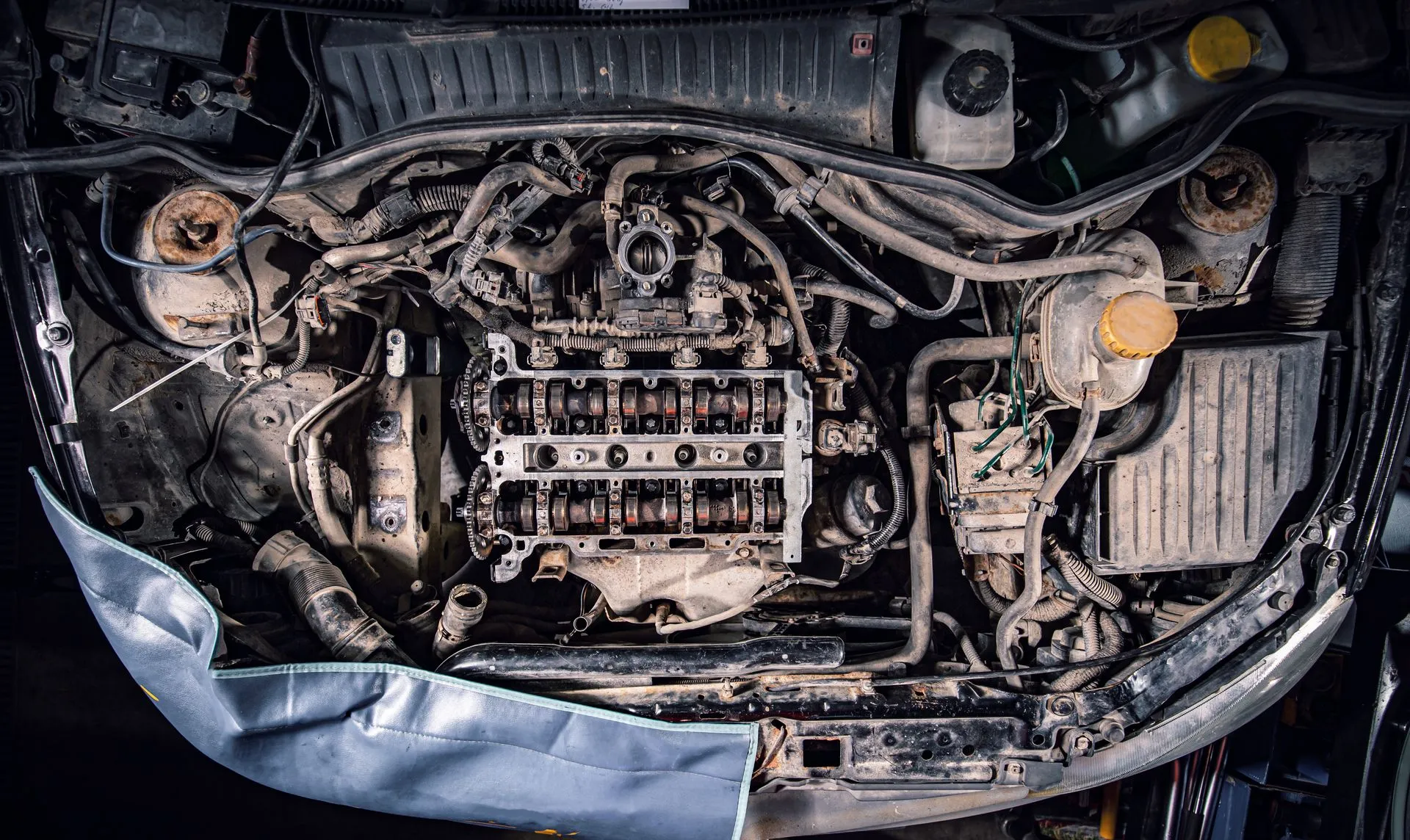
Your car’s engine is constantly communicating with you. While modern vehicles are designed to operate quietly, unusual sounds often signal that something isn’t working correctly. Understanding common engine noises and what they actually mean can help drivers identify potential issues early, avoid costly repairs, and improve vehicle safety.
Not every strange sound indicates a major problem, but ignoring persistent engine noises can lead to more serious mechanical damage over time. This guide explains the most common engine sounds, their possible causes, and when you should seek professional assistance.
Why Engine Noises Matter
Engines contain hundreds of moving parts working together at high speeds and temperatures. When components wear out, loosen, or fail, they often produce distinctive sounds before a complete breakdown occurs.
Benefits of addressing unusual noises early include:
- Preventing expensive repairs
- Improving vehicle reliability
- Enhancing safety
- Extending engine lifespan
- Reducing the risk of breakdowns
Paying attention to unusual sounds can save both time and money.
Quick Reference Guide to Common Engine Noises
| Noise Type | Possible Cause | Urgency Level |
|---|---|---|
| Knocking | Low oil or engine wear | High |
| Ticking | Valve train issues or low oil | Medium |
| Squealing | Worn belt | Medium |
| Hissing | Vacuum leak or coolant leak | Medium |
| Grinding | Starter or internal damage | High |
| Popping | Ignition or exhaust issue | Medium |
| Rattling | Loose components | Medium |
| Clicking | Battery or starter issue | Medium |
Understanding these sounds can help you determine whether immediate attention is needed.
Engine Knocking Noise
Knocking is one of the most concerning engine sounds.
What It Sounds Like
- Repetitive knocking
- Metallic tapping
- Deep hammering noise
Possible Causes
- Low engine oil levels
- Poor-quality fuel
- Engine detonation
- Worn bearings
- Internal engine damage
What It Means
Engine knocking often occurs when fuel burns unevenly inside the combustion chamber. In severe cases, it may indicate internal engine wear requiring prompt diagnosis.
Recommended Action
Check the oil level immediately and schedule a professional inspection if the noise persists.
Ticking or Tapping Sounds
A ticking sound is one of the most commonly reported engine noises.
What It Sounds Like
- Rapid clicking
- Light tapping
- Rhythmic ticking
Possible Causes
- Low engine oil
- Worn valve lifters
- Valve train wear
- Loose engine components
What It Means
In many cases, ticking indicates insufficient lubrication or minor wear within the engine’s upper components.
Recommended Action
Check oil levels and maintenance records. Persistent ticking should be inspected by a mechanic.
Squealing Noise from the Engine
A high-pitched squeal often comes from belts rather than the engine itself.
What It Sounds Like
- Sharp squealing
- Loud screeching
- Whining during startup
Possible Causes
- Worn serpentine belt
- Loose belt tension
- Pulley problems
- Belt contamination
What It Means
Belts may be slipping against pulleys, reducing the efficiency of essential systems such as the alternator and air conditioning.
Recommended Action
Inspect belts for cracks, wear, or looseness and replace them if necessary.
Hissing Sounds Under the Hood
Hissing noises can indicate pressure leaks within various vehicle systems.
What It Sounds Like
- Escaping air
- Steam-like noise
- Continuous hissing
Possible Causes
- Vacuum leaks
- Cooling system leaks
- Damaged hoses
- Radiator pressure issues
What It Means
Leaks can reduce engine efficiency and may lead to overheating if left unaddressed.
Recommended Action
Check coolant levels and inspect hoses for visible damage.
Grinding Engine Noise
Grinding sounds should never be ignored.
What It Sounds Like
- Metal-on-metal scraping
- Harsh grinding
- Crunching noise
Possible Causes
- Starter motor issues
- Worn gears
- Internal engine damage
- Transmission-related problems
What It Means
Grinding often suggests that metal components are contacting each other improperly.
Recommended Action
Stop driving if the grinding becomes severe and seek immediate mechanical assistance.
Rattling Sounds While Driving
Rattles can originate from several engine-related components.
What It Sounds Like
- Loose shaking
- Metallic vibration
- Intermittent rattling
Possible Causes
- Loose heat shields
- Exhaust components
- Engine mounts
- Timing chain issues
What It Means
Some rattles are minor, while others may indicate critical timing system problems.
Recommended Action
Have persistent rattling diagnosed to prevent further damage.
Popping Noises from the Engine
Popping sounds often involve combustion or exhaust system issues.
What It Sounds Like
- Small explosions
- Sharp pops
- Backfire sounds
Possible Causes
- Ignition timing issues
- Fuel mixture problems
- Faulty spark plugs
- Exhaust leaks
What It Means
The engine may not be burning fuel efficiently, leading to incomplete combustion.
Recommended Action
Inspect ignition components and schedule a professional diagnostic check.
Clicking Sounds During Startup
A clicking sound when turning the key is often electrical rather than mechanical.
What It Sounds Like
- Repeated clicks
- Fast clicking
- Single loud click
Possible Causes
- Weak battery
- Corroded battery terminals
- Faulty starter motor
- Electrical connection issues
What It Means
The starter system may not be receiving enough power to crank the engine.
Recommended Action
Check the battery condition and inspect electrical connections.
Whining Noise from the Engine Bay
Whining sounds can vary depending on the affected component.
What It Sounds Like
- High-pitched whine
- Continuous humming
- Rising pitch with engine speed
Possible Causes
- Power steering problems
- Alternator issues
- Belt wear
- Transmission concerns
What It Means
Mechanical components may be experiencing excessive friction or reduced lubrication.
Recommended Action
Investigate the source promptly to avoid component failure.
When Should You Worry About Engine Noises?
Some sounds are more serious than others.
Seek Immediate Attention If You Notice
- Loud knocking
- Severe grinding
- Sudden rattling
- Smoke combined with noise
- Overheating alongside unusual sounds
- Loss of power while driving
These symptoms may indicate significant mechanical problems requiring urgent repair.
Preventing Engine Noise Problems
Routine maintenance remains the best defense against engine issues.
Maintenance Tips
| Maintenance Task | Recommended Benefit |
|---|---|
| Regular oil changes | Reduces wear |
| Inspect belts and hoses | Prevents failures |
| Replace spark plugs on schedule | Improves combustion |
| Monitor fluid levels | Protects components |
| Address warning lights quickly | Prevents larger repairs |
Consistent maintenance often prevents minor issues from becoming expensive repairs.
Common Mistakes Drivers Make
Many vehicle owners unintentionally worsen engine problems.
Avoid These Mistakes
- Ignoring unusual sounds
- Delaying oil changes
- Continuing to drive with severe noises
- Using incorrect engine oil
- Skipping routine inspections
Early action is usually far less expensive than major engine repairs.
Conclusion
Understanding common engine noises and what they actually mean can help drivers identify problems before they become serious. Sounds such as knocking, ticking, squealing, grinding, and hissing often provide valuable clues about a vehicle’s condition.
While some noises may stem from minor maintenance issues, others can indicate significant mechanical failures that require immediate attention. Regular maintenance, prompt inspections, and quick responses to unusual sounds can extend engine life, improve reliability, and reduce repair costs.
By listening carefully to your vehicle and addressing concerns early, you can keep your car running smoothly and avoid unexpected breakdowns.
Frequently Asked Questions (FAQs)
Is engine knocking always serious?
Engine knocking can range from minor fuel-related issues to severe internal engine damage. Persistent knocking should always be inspected.
Why does my engine make a ticking sound when starting?
Ticking may result from low oil levels, valve train components, or normal operation in some engines. Persistent or loud ticking should be evaluated.
What causes a squealing noise under the hood?
Squealing is often caused by worn or loose belts, pulley issues, or belt contamination.
Can I drive with a grinding engine noise?
Driving with a grinding noise is generally not recommended because it may indicate serious mechanical damage.
What does a hissing sound from the engine mean?
Hissing often points to vacuum leaks, coolant leaks, or pressure escaping from hoses or engine components.
How can I prevent engine-related noises?
Regular maintenance, timely oil changes, belt inspections, fluid checks, and addressing small issues early can help prevent many engine noise problems.