
A well-maintained car is essential for ensuring that it runs smoothly and safely, saving you time and money in the long run. However, cars, like any machine, are prone to wear and tear, and there are common signs that indicate your vehicle might be in need of a tune-up. Ignoring these signals can lead to bigger issues down the road, potentially leaving you stranded or facing costly repairs.
In this article, we’ll go over some of the most common signs that your car needs a tune-up and why regular maintenance is so important.
1. Engine Misfires or Rough Idling
One of the first signs that your car might need a tune-up is if the engine misfires or idles roughly. A misfire occurs when the fuel in one or more cylinders fails to ignite properly, causing the engine to lose power or vibrate unevenly. Rough idling can be caused by worn-out spark plugs or dirty fuel injectors, both of which can be addressed during a tune-up.
If you notice your car shaking or experiencing a rough idle, it’s a clear signal that something isn’t right under the hood. A mechanic will typically check the spark plugs, wires, and other engine components during a tune-up to resolve the issue.
2. Poor Fuel Efficiency
If you find yourself filling up your gas tank more frequently than usual, it could be a sign that your car’s engine isn’t running as efficiently as it should. Poor fuel efficiency is often a result of worn-out spark plugs, clogged air filters, or malfunctioning fuel injectors—common issues addressed during a tune-up.
A simple tune-up can restore your car’s fuel efficiency, ensuring that your engine is running at optimal performance. This not only saves you money at the pump but can also help the environment by reducing your vehicle’s carbon emissions.
Speaking of fuel efficiency, if you’re in the market for a new car, you might want to check out the Best Fuel-Efficient Cars for City Driving 2025. These vehicles are designed to maximize mileage, which can be especially helpful for daily commuters and city drivers who face stop-and-go traffic.
3. Decreased Engine Performance
If you notice a decline in your vehicle’s engine performance, such as sluggish acceleration or difficulty starting, it’s time to have it checked. This could be caused by several factors, including dirty fuel injectors, a clogged air filter, or old spark plugs. A tune-up will address these issues, helping to restore your engine’s power and efficiency.
Regular maintenance can help prevent these problems from worsening, so your car continues to perform reliably over time.
4. Unusual Noises or Knocking Sounds
If your engine is making strange noises, such as knocking, pinging, or tapping sounds, it could be a sign of a more serious issue. These noises can be caused by a variety of factors, including low oil levels, faulty spark plugs, or an issue with the fuel injectors. It’s important to address these issues early before they lead to more expensive repairs.
A tune-up includes checking and adjusting various engine components to eliminate these noises, ensuring your car runs smoothly and quietly.
5. Increased Exhaust Emissions
If you notice a strong smell coming from your exhaust or see excessive smoke coming from the tailpipe, this is a sign that your engine might not be running efficiently. In particular, black smoke or a strong fuel odor can indicate that your engine is burning too much fuel or the fuel mixture is too rich. This is often a sign that the fuel injectors or air filters need attention.
A tune-up will help restore proper air-to-fuel ratios, improving your car’s exhaust emissions and preventing harmful pollutants from being released into the atmosphere.
6. Check Engine Light Is On
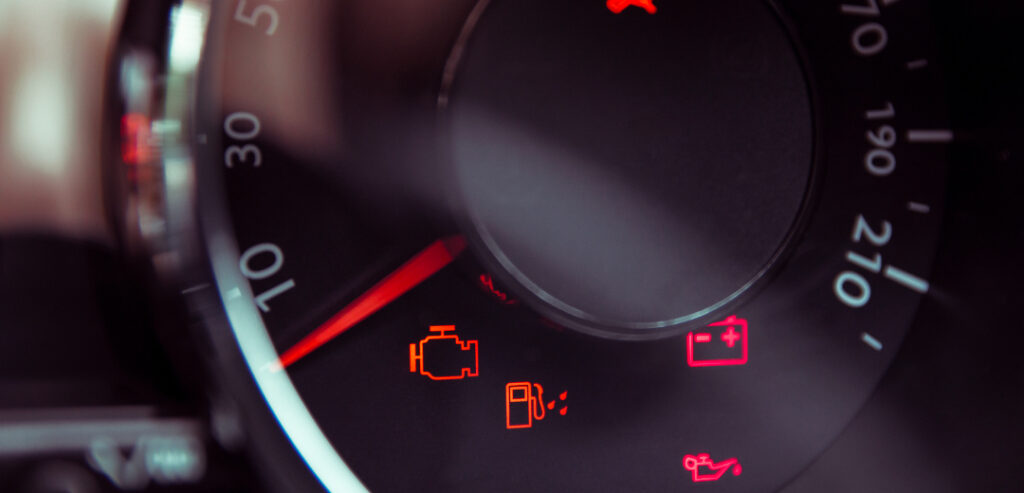
The check engine light can be triggered by many different issues, from something as simple as a loose gas cap to more serious problems like a faulty oxygen sensor. If the light comes on and stays on, it’s a good idea to have your car checked out. While some of the issues may be minor, others may indicate a more significant problem that requires a tune-up or repair.
Many modern vehicles are equipped with onboard diagnostic systems that provide error codes when the check engine light turns on. A mechanic can read these codes and determine whether a tune-up is needed or if there is a deeper issue to address.
7. Stalling or Difficulty Starting
If your car stalls while you’re driving or has trouble starting, it could indicate an issue with the fuel system, ignition system, or even the battery. Stalling is often related to issues with the spark plugs or fuel injectors, while difficulty starting can be a sign of a weak battery or worn-out starter motor.
A tune-up typically includes checks on these critical systems, ensuring that your car starts reliably and runs smoothly without stalling in the middle of a drive.
8. Vibrations or Shaking When Driving
If your car begins to vibrate or shake while you’re driving, it’s likely that there’s an issue with your engine, tires, or suspension system. Vibration could also indicate problems with the fuel system or spark plugs. During a tune-up, a mechanic will inspect these areas to identify any problems and make the necessary adjustments to restore smooth operation.
9. Regularly Overheating
Overheating can be a sign of several issues, including low coolant levels, a malfunctioning radiator, or a clogged air filter. While a tune-up doesn’t specifically address cooling system problems, a technician will often check for clogged filters, inefficient air circulation, or other underlying issues that could be contributing to overheating.
Ensuring that your cooling system is in top shape is important for preventing engine damage and maintaining your vehicle’s overall health.
10. Excessive Vibrations at Idle
If your car is vibrating excessively when idling, this could be caused by dirty or worn-out spark plugs, a faulty ignition system, or an issue with the fuel injectors. Tune-ups include inspecting these components and replacing any parts that may be contributing to the vibrations.
Conclusion
Getting your car tuned up regularly is essential for maintaining its performance, fuel efficiency, and overall lifespan. If you notice any of the common signs mentioned in this article, it’s a good idea to schedule a tune-up with a trusted mechanic to ensure your vehicle runs at its best.
By keeping your car in top condition, you’ll not only extend its life but also avoid expensive repairs down the road. Whether you’re experiencing rough idling, poor fuel efficiency, or unusual noises, a tune-up is the best way to restore your car to peak performance.
If you’re considering a new car for city driving, keep in mind the Best Fuel-Efficient Cars for City Driving 2025. These cars are designed to offer superior mileage and minimal emissions, making them perfect for urban environments.