
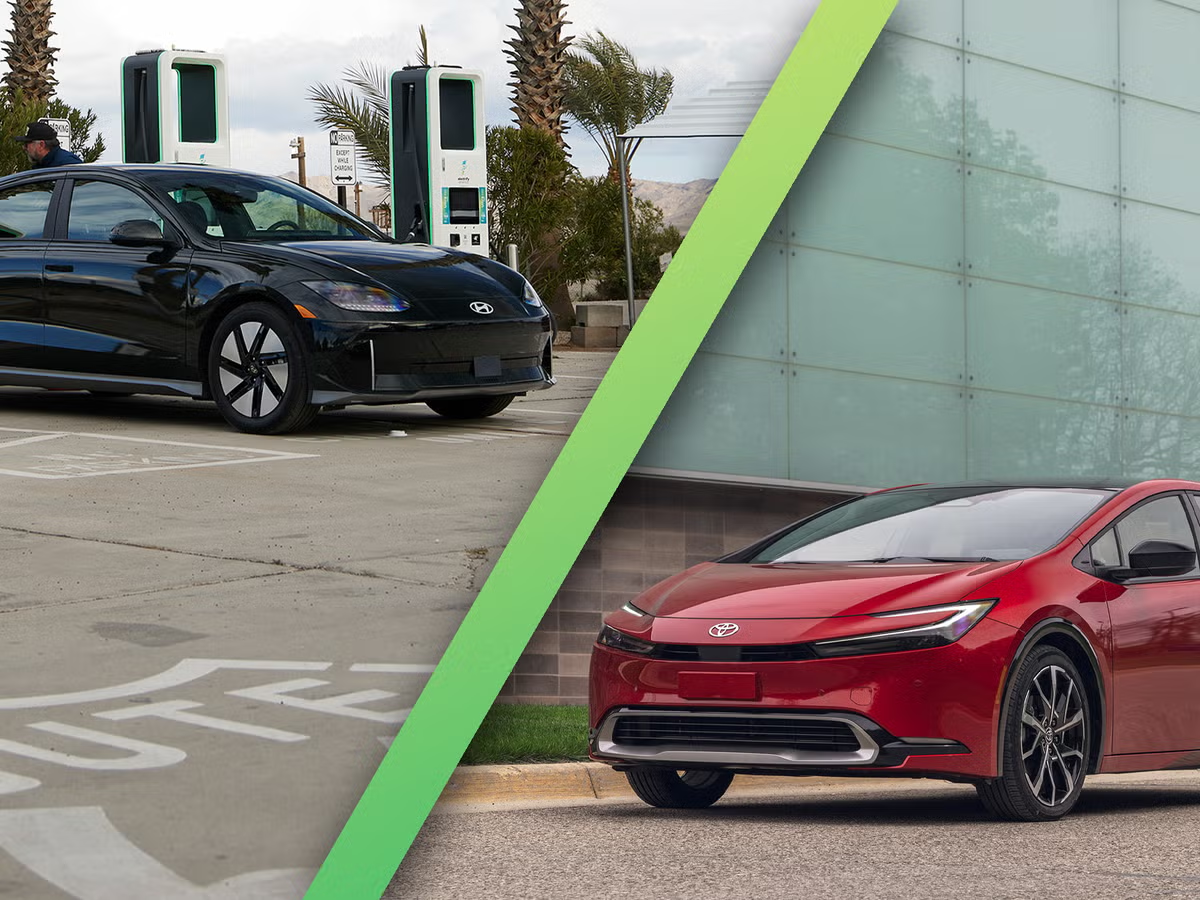
With the shift toward eco-friendly transportation, more consumers are considering alternative fuel vehicles. Two of the most popular options on the market are hybrid cars and electric vehicles (EVs). While both are designed to reduce emissions and decrease dependency on fossil fuels, they operate quite differently and serve different driving needs.
In this article, we’ll break down the key differences between hybrid and electric cars, covering everything from how they work to their pros and cons, helping you decide which type suits your lifestyle best.
1. Power Source: How They Operate
Hybrid Cars
Hybrid vehicles combine a gasoline engine with an electric motor. The car can switch between the two power sources or use them simultaneously to optimize performance and fuel efficiency.
-
Full hybrids can drive on electricity alone at low speeds.
-
Mild hybrids assist the engine but can’t operate on electricity alone.
-
Plug-in hybrids (PHEVs) have a larger battery and can be charged via a wall outlet for short all-electric trips.
Electric Cars (EVs)
Electric vehicles run entirely on electricity. They have no gasoline engine or fuel tank. Instead, they use a rechargeable battery pack and electric motor to power the vehicle.
-
Must be plugged in to recharge.
-
Produce zero tailpipe emissions.
Summary:
-
Hybrid = Gasoline + Electric motor
-
EV = Fully electric, no gas
2. Fueling and Charging
Hybrid Cars
-
Fueled at traditional gas stations.
-
Regenerate some electric power through regenerative braking.
-
Plug-in hybrids require external charging for the electric-only range.
Electric Cars
-
Must be charged using home charging stations, public chargers, or fast chargers.
-
Charging time depends on the charger type (Level 1, 2, or DC fast charging).
-
No need to visit a gas station.
Summary:
Also Read:
Top Safety Features in Modern Family Vehicles
-
Hybrids: Gas refueling, optional charging (for PHEVs)
-
EVs: Electric charging only
3. Driving Range
Hybrid Cars
-
Longer range due to the gas engine.
-
When the battery depletes, the car continues running on gasoline.
-
Plug-in hybrids typically offer 15–50 miles of electric-only range.
Electric Cars
-
EVs rely solely on battery range, which varies by model.
-
Most modern EVs offer 200–350 miles on a full charge.
-
Range anxiety (fear of running out of battery) is a concern if charging stations are limited in your area.
Summary:
-
Hybrids: More flexibility for long trips
-
EVs: Depend on battery range and charging access
4. Environmental Impact
Hybrid Cars
-
Emit fewer emissions than traditional gas cars but still produce tailpipe emissions.
-
Better fuel efficiency means reduced greenhouse gas output.
Electric Cars
-
Produce zero tailpipe emissions.
-
Overall environmental impact depends on the electric grid (clean vs. fossil-fuel based energy).
Summary:
-
EVs are greener, especially when charged with renewable energy.
-
Hybrids are cleaner than gas cars but not emissions-free.
5. Maintenance and Repair
Hybrid Cars
-
Still require regular engine maintenance like oil changes, spark plug replacements, and emissions checks.
-
Hybrid systems can add complexity and cost if repairs are needed.
Electric Cars
-
Fewer moving parts than gasoline vehicles.
-
No oil changes or exhaust system repairs.
-
Lower long-term maintenance costs.
Summary:
-
EVs require less maintenance overall.
-
Hybrids still have traditional engine upkeep.
6. Performance and Driving Experience
Hybrid Cars
-
Smooth transition between gas and electric power.
-
Performance can feel similar to traditional cars, depending on the hybrid system.
Electric Cars
-
Instant torque and acceleration.
-
Quieter and smoother ride with no engine noise.
-
Some high-end EVs rival performance sports cars.
Summary:
-
EVs offer quicker acceleration and a quieter drive.
-
Hybrids feel more conventional with improved fuel economy.
7. Cost and Incentives
Hybrid Cars
-
Generally less expensive upfront than EVs.
-
Plug-in hybrids may qualify for some tax credits.
Electric Cars
-
Higher initial cost, but federal and state incentives can reduce the price.
-
Lower fueling and maintenance costs over time.
Summary:
-
Hybrids are cheaper upfront.
-
EVs save more in the long run and offer better incentives.
8. Ideal Use Cases
Hybrid Cars Are Best For:
-
Drivers who want better fuel economy without fully switching from gasoline.
-
Long-distance travelers with limited access to EV charging stations.
-
People looking for a transitional step toward electric driving.
Electric Cars Are Best For:
-
Urban and suburban drivers with access to home or workplace charging.
-
Environmentally conscious individuals.
-
Those seeking low-maintenance, fuel-free commuting.
Conclusion: Which One Should You Choose?
The choice between a hybrid and a fully electric vehicle comes down to your lifestyle, driving habits, and access to charging infrastructure.
-
Choose a hybrid if you want improved fuel economy without changing your driving routine.
-
Choose an electric vehicle if you’re ready for zero-emission driving and want to save on fuel and maintenance in the long run.
Both options contribute to reducing your carbon footprint and offer technological advantages over traditional gas-powered vehicles. As the world continues shifting toward sustainable transportation, either choice will put you on the path to a greener future.