

From pink-sand beaches to volcano-formed islands, Greece is a natural playground with layers of landscape and lore. You can swim in coves as clear as glass, hike among wild herbs, and watch stars crown black-lava cliffs.
Greece’s outdoors rewards curious travelers. Step beyond the postcard views and you will find quiet footpaths, fossil-rich cliffs, cedar groves, and wetlands fluttering with birds. The following guide will survey standout regions and offer tips so your time in nature feels easy, respectful, and unforgettable.
Coasts of Color
Cretan shores dazzle with color and texture. On the island’s southwest, Elafonissi’s sand blushes pink from crushed shells, while the lagoon glows mint blue in shallow light.
Traveler reviews crowned Elafonissi the top seaside spot in Europe for 2025, highlighting just how special this corner of Crete is. If you want route ideas and slow travel tips, you can learn about Greece travel with Jayway or other reliable online resources to compare islands and seasons, and map a trip that blends beach time with culture. Plan for changing winds and carry reef-safe sunscreen, since many bays are protected.
Islands Shaped By Fire
The Aegean is ringed by volcanic islands, none more dramatic than Santorini. Its caldera walls drop like an amphitheater to the sea, with villages perched along the rim. In recent seasons, scientists tracked more seismic and volcanic signals under the caldera, yet emphasized there was no immediate threat of a major eruption at the time. Check local advisories before hikes near vents or cliffs, and respect any trail closures.
Volcanic slopes can be dusty and loose underfoot. Pack grippy shoes and extra water for rim walks. Boat tours may adjust routes if swells rise, so keep plans flexible.
- Check daily wind forecasts and wave height, then pick coves with natural shelter.
- Carry a lightweight scarf or buff to shield from dust on exposed paths.
- Save a fully charged map offline and set a meeting point in case your group splits.
Clifftop Drama in the Ionian
The Ionian Islands serve up cinema-level scenery on Zakynthos. Towering limestone cliffs frame electric blue water, and the light feels almost tropical. The most famous cove has faced safety concerns in recent years, and a Greek Reporter piece noted continued restrictions on access to Shipwreck Beach to reduce landslide risk. Views from secure lookout points remain breathtaking, and nearby beaches give you the same color palette with fewer crowds.
Canyons, Gorges, and More
Mainland canyons slice through marble and schist, where goats cling to ledges, and raptors ride thermals. In Epirus, rivers like Voidomatis run so clear you can count pebbles on the bed.
Summer rafting and canyon swims are blissfully cool. In Crete, gorges braid the White Mountains down to the Libyan Sea, with switchbacks through oleander and shadowed walls that smell of thyme.
High country lovers can trade beaches for peaks. Pindus ridgelines float above clouds, and Mt. Olympus trails weave past alpine meadows and cold springs. Night skies beyond village lights blaze with the Milky Way. On plateaus, shepherd paths pass stone huts and old threshing circles, telling stories in the landscape itself.
Wildlife and Protected Parks
Greece’s national parks protect vital habitats. Wetlands shelter herons, egrets, and flamingos during migrations. Sea turtle nesting zones need dark beaches at night, so use red light and keep noise down.
On rocky coasts, look for monk seal safe zones and respect distance rules set by wardens. The payoff for patience is seeing wild Greece’s wildlife and parks still thriving.
Staying Alert to Evolving Conditions
Nature is dynamic, and Greece’s islands show it in real time. In winter and early spring 2025, officials increased monitoring around Santorini and enacted safety steps as a precaution, including temporary school closures and evacuations for residents and workers in affected areas.
For travelers, the key is simple habits: read local notices, follow ranger instructions, and favor licensed guides on sensitive terrain. Doing so protects you and the places you came to enjoy.
A little prep turns stunning scenery into a smooth day out. Hydration, shade, and footwear matter more than you think when paths are exposed and surfaces are slick.
- Footwear: closed-toe hiking shoes for cliffs and gorges, plus light sandals for water entries.
- Sun kit: brimmed hat, mineral sunscreen, UPF shirt, and a compact umbrella for shade.
- Water and snacks: carry 2 liters per person on hot days and salty bites for energy.
- Safety extras: a small first aid kit, headlamp, whistle, and a dry bag for electronics.
Local Flavor That Deepens the Journey
In seaside villages, taste sun-ripe tomatoes, grilled octopus, and spoon sweets from family kitchens. Inland, try mountain tea after a hike, and sample sheep milk cheeses on a stone terrace.
Simple meals land best after swims and climbs, when the body is hungry, and the air smells like sea salt and sage. Learn a few Greek phrases and greet people as you pass: it opens doors and earns smiles.
Responsible Choices That Keep Wonders Wild
You are a guest in delicate places. Pack out all trash, skip loud speakers on beaches, and avoid stepping on dune plants. Choose refillable bottles and reef-safe sunscreen so the water stays clear for the next swimmer.
If a site is temporarily closed, pick an alternative rather than pushing boundaries. The view from a safe distance still fills the memory card.
What to Expect Across the Seasons
Spring paints hillsides with wildflowers and kinder temperatures for long hikes. Summer brings long swims and boat days, but even stronger sun and more traffic, so lean on mornings and evenings.
Fall light turns honey gold, and the sea stays warm, great for snorkel sessions after the crowds fade. Winter can be moody and beautiful for photography, with empty trails and stormy color shifts along the horizon.
- Spring: blossoms, running streams, mild hiking days.
- Summer: peak swim conditions, earlier starts, more shade strategy.
- Fall: warm water, softer light, space to linger.
- Winter: big skies, quiet paths, need for layers and windproofs.
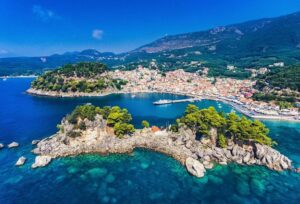
Let Greece’s landscapes set your pace. Build your days around tides, wind, and light, and let good weather lead you from cliff lookouts to calm lagoons. With a bit of care for safety and habitat, you will leave only footprints and carry home a head full of color.