
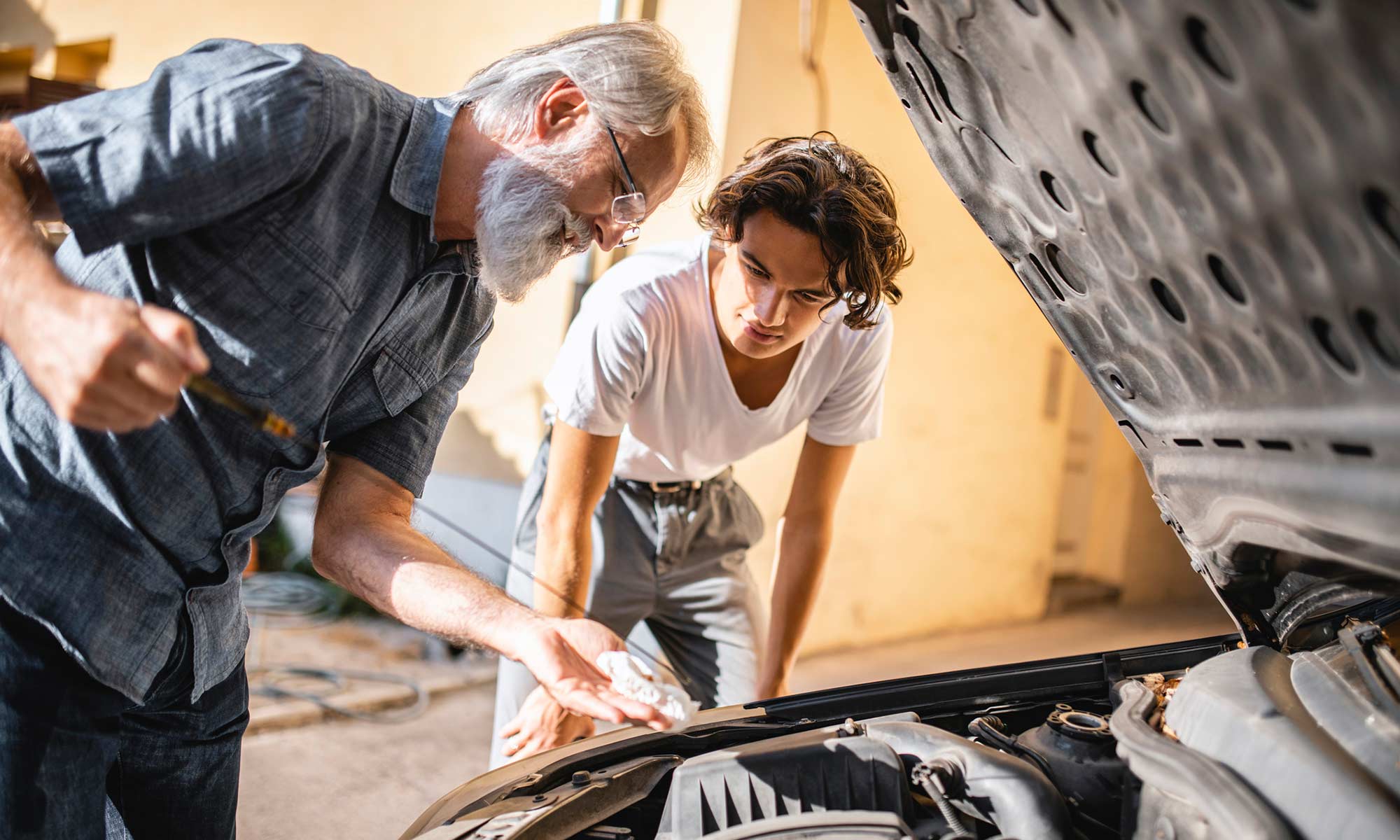
Performing basic car maintenance yourself is a great way to save money and keep your vehicle running smoothly. Understanding your car’s needs and learning a few simple techniques can help you prolong its life, reduce costly repairs, and maintain its performance. In this article, we’ll cover the best DIY car maintenance tips every car owner should know.
Why DIY Car Maintenance is Important
DIY car maintenance gives you more control over your car’s condition. By doing routine tasks yourself, you save money that would otherwise be spent on expensive mechanic fees. Moreover, understanding how your car works can help you spot potential issues early, ensuring your safety and that of your passengers.
With the rising cost of automotive repairs, knowing how to maintain your own car is an invaluable skill. Not only does it save you money, but it can also deepen your understanding of your car, making you a more confident owner.
Essential DIY Car Maintenance Tips
Here are ten fundamental car maintenance tips you can do in your own garage:
-
Check and Maintain Tire Pressure
Properly inflated tires improve gas mileage, provide better handling, and reduce the risk of accidents. Check your tire pressure at least once a month and before long trips. The manufacturer’s recommended pressure can be found on the inside of the driver’s door. -
Change the Engine Oil Regularly
Engine oil is the lifeblood of your car. Old oil can cause serious engine damage over time. Learn to change your oil every 5,000–7,500 miles, or as recommended by the manufacturer. -
Replace Air Filters
A clean air filter improves engine efficiency and fuel economy. Replace it every 12,000–15,000 miles or once a year, whichever comes first. -
Check and Maintain Coolant Levels
Your car’s cooling system prevents the engine from overheating. Check the coolant reservoir regularly and top it off with the appropriate fluid when needed. -
Inspect and Replace Windshield Wipers
Good visibility is critical for safe driving. Replace worn or cracked wiper blades every 6–12 months. -
Check and Maintain Brakes
Listen for squeaky or grinding noises when braking, and inspect your brake pads periodically. Replacing worn pads can save you from costly repairs and dangerous situations. -
Inspect and Maintain Belts and Hoses
Check for cracks, wear, or fraying in your car’s belts and hoses. These are vital for engine operation and cooling. -
Check and Maintain Battery Health
Inspect your car battery for corrosion and make sure it’s securely mounted. Clean the terminals and test the battery’s charge periodically. -
Replace Bulbs and Fuses
Burnt-out bulbs can reduce visibility, making nighttime driving dangerous. Learn to replace bulbs and fuses for headlights, taillights, and turn signals. -
Maintain Proper Alignment and Balance
Have your car’s alignment and wheel balance checked periodically to avoid uneven tire wear and vibrations at higher speeds.
Suggested DIY Maintenance Schedule
| Task | Frequency |
|---|---|
| Check tire pressure | At least once a month |
| Change engine oil | Every 5,000–7,500 miles |
| Replace air filter | Every 12,000–15,000 miles |
| Check coolant | Every 3–6 months |
| Replace wiper blades | Every 6–12 months |
| Check brakes | Every 10,000–15,000 miles |
| Inspect belts and hoses | Every 15,000–30,000 miles |
| Check battery health | Every 3–6 months |
| Replace bulbs and fuses | As needed |
| Alignment and balance | Annually or every 12,000–15,000 miles |
The Importance of Regular Maintenance for Vehicle Safety
Regular car maintenance is about more than saving money — it’s about safety. According to recent studies, well-maintained cars reduce the risk of accidents caused by mechanical failures. Whether you own one of the cars with the best safety ratings or a classic model, routine maintenance can make a significant difference in how safe your car is on the road.
Frequently Asked Questions about DIY Car Maintenance
1. Is DIY car maintenance safe?
Yes, as long as you have the right tools, knowledge, and adhere to manufacturer guidelines. Always consult your owner’s manual before working on your car.
2. What maintenance tasks can I do myself?
You can perform basic tasks like checking tire pressure, replacing air filters, changing oil, and inspecting brakes. Complex jobs such as engine or transmission work are best left to professionals.
3. Do I need special tools for DIY car maintenance?
Most routine maintenance can be done with basic tools such as wrenches, screwdrivers, a tire pressure gauge, and an oil filter wrench.
4. How often should I change my oil?
Modern vehicles typically require oil changes every 5,000–7,500 miles. Check your owner’s manual for specific recommendations.
5. Will doing my own maintenance void my warranty?
Performing maintenance yourself will not void your warranty if it’s done correctly and using manufacturer-recommended parts.
6. What are the benefits of doing my own car maintenance?
DIY maintenance saves money, gives you more control over your car’s care, and allows you to spot potential issues early, reducing the risk of expensive repairs.
Final Thoughts
Learning how to maintain your car can save you significant money over its lifetime, extend its reliability, and keep it running smoothly for years. From checking tire pressure and changing engine oil to replacing air filters and inspecting brakes, many routine tasks can be performed at home with a few basic tools.
By following a regular maintenance schedule and knowing the essentials of DIY car care, you can prevent costly repairs, maintain the performance of your car, and ensure your safety and that of your passengers. Investing the time to learn these skills is worth it — both for your car’s health and your peace of mind.