
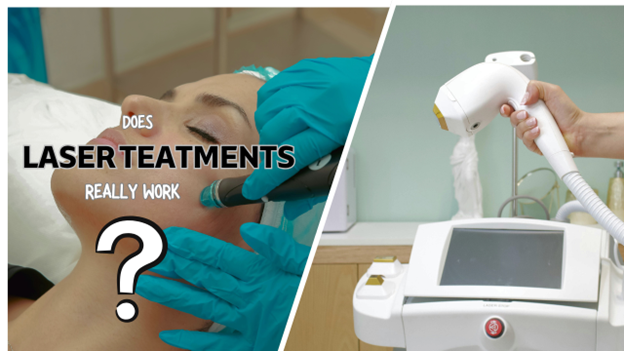
The laser treatments have become one of the sought-after treatments in the world of modern-day cosmetics. For everything from hair reduction to scar removal they provide accurate, long-lasting results and lesser time to recover.
Lasers utilize lasers that focus light beams to target specific issues such as scars, pigmentation or unwanted hair, without harming the skin around it. This is why more and increasing numbers of people choose lasers over conventional techniques.
Yet, there are many questions: Are laser treatments effective? Can they be safe? Are they long-lasting? Let’s find out.
What is Laser Treatment?
Laser treatments for skincare use targeted light energy to treat different skin problems. “Laser” stands for Light Amplification through Stimulated Emission of Radiation. Simply put it’s a beam of light that enters the skin in a controlled way to treat specific ailments.
This is how it is:
- The energy of light is taken up from pigments (like melanin in skin spots or hair) or by the water inside the cells of the skin.
- The energy is transformed into heat, which may destroy undesirable cells or encourage the production of new collagen.
- In the end, lasers may reduce hair growth, reduce marks, smooth skin and even rejuvenate tired skin.
Types of Lasers Used in Dermatology
Different lasers can be used according to the skin issue:
- Absolute Lasers Peel off thin skin layers to treat scars, wrinkles and uneven appearance.
- Non-Ablative lasers: Work deeper within the skin, without causing damage to the skin’s surface. Ideal for collagen-boosting.
- Fractional lasers Focus only on tiny areas of skin at one time, speeding the healing process while addressing pigmentation and scars.
- Q-Switched Lasers are commonly used to remove tattoos and issues with pigmentation.
Each kind has its own function and dermatologists pick the type that best suits the skin type of the person and concerns.
Different Types of Laser Treatments and Their Uses
Laser technology is a versatile tool which is what makes it so well-known. Based on the type of problem, dermatologists employ different types of lasers. Here are the most commonly used lasers you’ll see:
Laser Hair Removal
- What it does How it works: The laser is focused on melanin (pigment) within hair follicles. The heat destroys the hair follicle and reduces the growth of hair.
- Expected outcomes: Significant reduction in the number of sessions after 3-4 sessions. having smoother and more supple skin in 6-8 sessions. Maintenance sessions are possible each year.
is ideal for those who are bored of shaving, waxing and threading.
Laser Skin Resurfacing
- What it does How it works: It eliminates damaged skin cells layer-by-layer as well as stimulating collagen.
- Benefits:
- Acne scars fade and a tan.
- Silky wrinkles and fine lines.
- Improves the overall texture of skin.
The best option for acne scars, wrinkles on the skin as well as sun-damaged skin.
Laser Tattoo Removal
- Laser beams of high intensity convert tattoo ink into tiny particles that are subsequently cleared from the body.
- Effectiveness: Work best with darker inks, such as blue and black; lighter colors such as green or yellow might require more sessions.
Ideal for people who wish the fade of or eliminate tattoos.
Laser for Pigmentation & Dark Spots
- What it does is target melanin that is excessive in the skin and breaks it down so that the body can get rid of it.
- Results: Noticeable lighter spots after 2-3 sessions, and full results taking 5-6 sessions.
Ideal for sun spots, freckles, melanoma as well as uneven skin tones.
Other Medical Uses
- Vascular lasers treat visible veins and damaged capillaries.
- Rosacea therapy: reduces permanent redness.
- Removal of moles and warts Fast exact, precise and less involved.
How Effective Are Laser Treatments?
The laser treatment can yield remarkable results, however the success depends on the type of treatment, the skin condition and the consistency of the treatment.
Success Rates by Treatment
- Laser hair removal up to 80-90% reduction in the growth of hair.
- skin resurfacing Seeming improvement in pigmentation, scars and fine lines following 3 to 4 sessions.
- Tattoo Removal Complete removal is feasible however, the most stubborn colors might require between 8 and 12 sessions.
- Lasers for Pigmentation: A majority of patients experience improvements of 60 to 80 particularly with freckles and sun spots.
Short-Term vs Long-Term Results
- In short: skin could appear smoother, more bright, and clearer after a single session.
- Long-term: Maintenance is crucial. For example, removal of hair and pigmentation can require periodic follow-up appointments to ensure outcomes.
Factors That Affect Results
- Skin Type Skin that is darker might require gentler settings in order to prevent negative side negative effects.
- Consistency: skipping sessions can cause delays or diminish the results.
- Technology used: Modern FDA-approved equipment usually yield better and more secure results.
- Aftercare sun protection as well as hydration and the advice of a dermatologist make a huge difference.
The majority of laser treatments are safe under the supervision of a trained professional and approved equipment. The effects of mild swelling or redness fade rapidly and serious dangers are extremely rare and often due to poorly trained providers or equipment that is not up to date.
How to be secure:
- Always choose a certified dermatologist or skin clinic.
- Make sure that the clinic has FDA-approved lasers or CE-certified devices.
- Follow the prescribed post-care guidelines be sure to follow the instructions carefully.
Benefits of Laser Treatments
What makes lasers sought-after in dermatology? Because they provide results that are difficult to achieve using traditional methods of skincare.
Key Benefits of Laser Treatments:
- Precision: Targets the problematic area, but not harms the skin around it.
- Fast sessions The majority of treatments will take less than one hour.
- Very little downtime: A lot of people work again the following day.
- The visible results are noticeable improvement after a few sessions.
- Versatility: Addresses many issues — hair removal scars, pigmentation signs of aging, and so on.
Who Should Consider Laser Treatments?
Lasers may not be for all, but they could be a good choice for some.
The best candidates are:
- Hair-loss sufferers who have unwanted growth.
- For those who are struggling with acne wrinkles, fine lines as well as uneven skin tones.
- Tattoos of people who would like to fade or get rid of.
- Patients suffering from freckles, sun damage and wrinkles.
Who should be avoiding it (at least for a short time):
- Women who are breastfeeding or pregnant.
- Patients with specific skin ailments (like active rashes).
- People taking medications that cause skin to be hypersensitive to light.
Tips Before Getting Laser Treatment
If you’re thinking about a laser procedure, a little bit of preparation can go far in ensuring amazing outcomes.
Before you start your session:
- Schedule a consultation with us to find out the appropriate solution for your issue.
- Avoid exposure to sun and sun exposure a week prior to your session.
- Do not use harsh skin care products (like Retinoids) according to the advice of the dermatologist.
Following your session
- Use sunscreen every day to shield your skin from the effects of treatment.
- Make sure your skin is moisturized and avoid harsh scrubbing.
- Be sure to follow your doctor’s post-care program strictly.
Conclusion
What is the best way to ensure that laser treatments perform? Yes, when performed by a professional using the correct technology. They’ve been proven to reduce hair, diminish the appearance of scars, smooth them and refresh skin.
The results will depend on the type of skin technology, as well as following care. With consistent and expert advice, laser treatments can assist you in getting more clear, healthier skin.
Learn more at Reborn clinics