
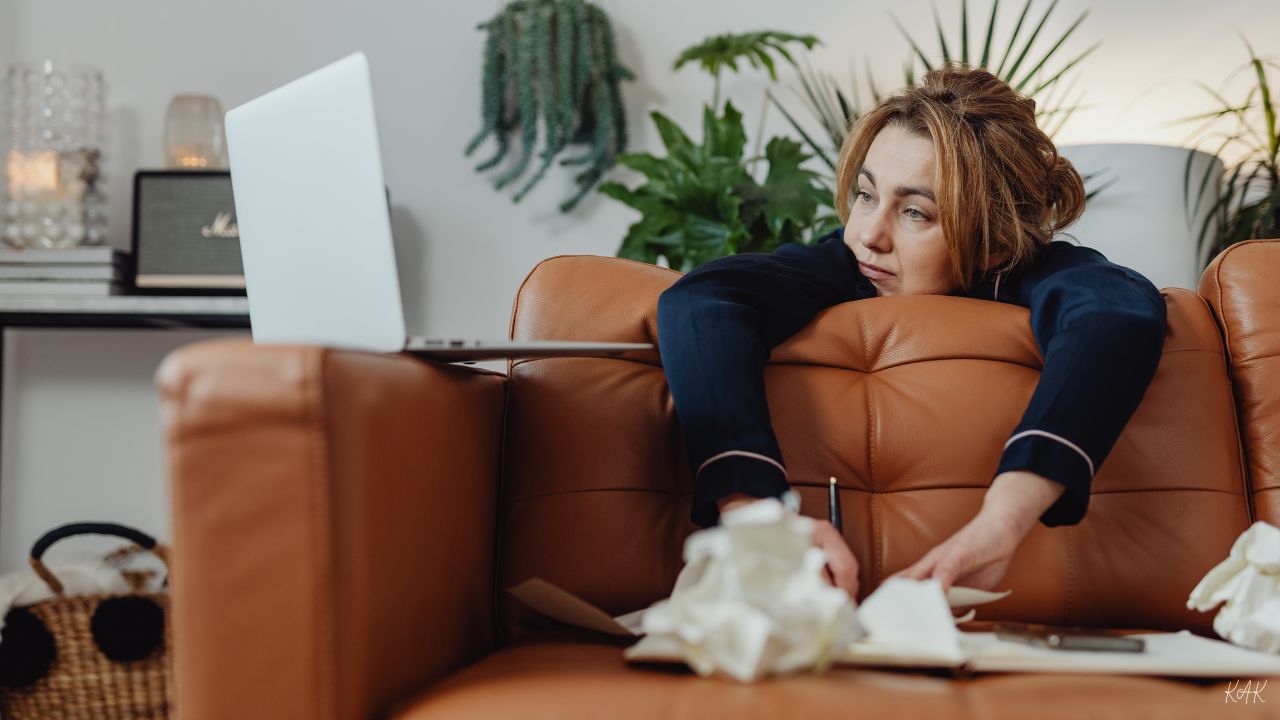
Your couch smells. You know it does. Maybe you’ve gotten used to it – that’s how noses work, they adapt. But walk into your house after being away for a few days and it hits you immediately. That musty, slightly funky odor that makes you wonder if guests notice it too.
They do. They’re just too polite to mention it.
Before you start browsing for replacements or seriously considering arson as a solution, there’s good news: most couch odors are fixable. Even the really bad ones. Even the ones that make you question your life choices.
The key is understanding what’s causing the smell, because different odors require different solutions. Spraying Febreze at the problem is like putting a band-aid on a broken bone – it might make you feel better temporarily, but it’s not actually fixing anything.
Want professional insights on odor elimination? Check this out for comprehensive approaches to furniture restoration and smell removal.
Let’s talk about why your couch smells, what those different smells mean, and how to actually eliminate them rather than just covering them up temporarily.
Identifying the Enemy: What That Smell Actually Means
Not all couch odors are created equal. Different smells indicate different problems:
Musty/Mildew Smell That damp, basement-like odor means moisture and mold. Maybe you spilled something that soaked through. Maybe high humidity. Maybe someone sweated heavily during summer Netflix marathons. Regardless of source, moisture got into cushions and never fully dried. Now mold or mildew is growing in the darkness.
Sour/Acidic Smell Body odor essentially. Years of sweat, skin oils, and body secretions have soaked into upholstery and are decomposing. This is one of the most common and stubborn odors because it’s deeply embedded in cushion cores.
Pet Urine Smell Unmistakable ammonia-like scent. Even a single accident can create persistent odor because urine soaks completely through to cushion filling where it crystallizes. Those crystals reactivate with humidity, releasing smell indefinitely until properly treated.
General Funk Hard to describe specifically but definitely unpleasant. This is usually accumulated contamination – dust, dirt, dead skin cells, food particles, bacteria. Years of living condensed into one vague but offensive smell.
Smoke Smell Cigarettes, cigars, or other smoke creates sticky residue that clings to everything and generates lasting odor. Particularly difficult because tar compounds penetrate deeply.
Chemical/New Furniture Smell Off-gassing from flame retardants, adhesives, and synthetic materials. Usually fades over time but can persist longer than expected, especially in poorly ventilated spaces.
Identifying which smell you’re dealing with determines the treatment approach. Generic solutions rarely work because they’re not targeting the specific cause.
Why Surface Treatments Fail Repeatedly
You’ve tried everything already. Fabric freshener sprays. Baking soda. Vinegar solutions. Essential oil mists. Maybe even that expensive “odor eliminator” spray the internet promised would work miracles.
And it helped! For about 12-48 hours. Then the smell came back, sometimes worse than before.
Here’s why surface treatments are fundamentally inadequate:
Odor sources live deep in cushions. That spray only penetrates maybe the top millimeter of fabric. The bacteria, mold, urine crystals, or decomposing matter generating smell sits 2-6 inches deep in foam cores where your spray bottle can’t reach.
Masking isn’t eliminating. Most products just overlay fragrances on top of existing odors. It’s like wearing cologne to avoid showering – it doesn’t actually make you clean, it just temporarily obscures the problem.
You can’t fully dry after treatment. When you spray water-based solutions into upholstery without proper extraction equipment, moisture stays trapped. This often makes mold problems worse, creating new odors while failing to eliminate existing ones.
Wrong products for specific problems. Baking soda is mildly effective for some odors but useless for others. Vinegar has acidic properties that work on certain contaminants but can damage some fabrics and won’t touch urine crystals.
Shakespeare wrote, “Sweet flowers are slow and weeds make haste.” Odor-causing contamination grows and spreads quickly while surface treatments provide only slow, temporary relief.
The Enzyme Solution That Actually Works
For organic odors – pet accidents, body fluids, food spills, sweat – enzyme treatments are legitimately effective. Not surface spray enzymes. Actual professional-grade enzymatic cleaners that work at a molecular level.
Here’s the science: Enzymes are biological catalysts that break down specific organic molecules. Different enzymes target different contaminants:
Proteases – Break down protein-based materials like blood, body fluids, and food proteins Amylases – Attack starches and carbohydrates from food spills Lipases – Dissolve fats and oils from body secretions and greasy foods Uricase – Specifically breaks down uric acid crystals from urine
Quality enzyme treatments don’t just mask odors. They digest the organic matter generating the smell, eliminating it at the source.
The catch? Proper application requires:
- Deep penetration – Getting enzyme solution into cushion cores where contamination lives
- Sufficient contact time – Enzymes need hours to work, sometimes 24-48 hours
- Proper moisture levels – Too dry and enzymes can’t function; too wet and you create new mold problems
- Appropriate temperature – Enzymes work best at specific temperature ranges
This is why DIY enzyme treatments have mixed results. Getting all factors right requires knowledge and proper equipment.
The Hot Water Extraction Nuclear Option
For serious odor problems, hot water extraction (often called steam cleaning) is the most effective solution available:
Why it works:
High-temperature water (140-200°F) penetrates deep into upholstery and cushion cores. The heat itself kills odor-causing bacteria and mold. Cleaning solutions dissolved in hot water break down contaminants. Then powerful extraction equipment removes water along with dissolved contamination.
You’re not just covering up smell. You’re physically removing the source.
What makes professional extraction different from rental machines:
- Temperature: Professional equipment maintains much higher temperatures
- Pressure: Commercial units generate far greater water pressure for deeper penetration
- Extraction power: Truck-mounted systems pull 95%+ of applied water back out; rentals maybe 60-70%
- Cleaning solutions: Professional products are concentrated and formulated specifically for different contamination types
The extraction component is crucial. Water left in cushions creates new mold growth and odors. Professional equipment ensures cushions dry properly.
According to research from the Institute of Inspection, Cleaning and Restoration Certification, proper hot water extraction removes up to 98% of bacteria and contaminants from upholstered furniture – including the ones generating odors.
The Urine Accident Special Protocol
Pet urine deserves its own category because it’s uniquely challenging:
Urine doesn’t just sit on surfaces. It soaks completely through fabric into cushion filling. There it forms uric acid crystals that bond to materials. These crystals are not water-soluble. You can’t rinse them out with water alone.
Worse, the crystals reactivate with humidity. You think the smell is gone, then a humid summer day arrives and suddenly your couch smells like a litter box again.
Proper urine odor removal requires:
Step 1: Locate all affected areas – Black light reveals urine stains invisible to normal vision. You need to find every spot to treat them all.
Step 2: Apply enzymatic urine treatment – Specific enzymes that break down uric acid crystals. Must penetrate completely through to cushion filling.
Step 3: Allow extended contact time – Enzymes need 24-48 hours to fully break down crystals.
Step 4: Extract thoroughly – Remove enzyme solution along with broken-down urine compounds.
Step 5: Apply bacteria/odor neutralizer – Professional antimicrobial treatment to kill remaining bacteria.
Step 6: Ensure complete drying – Any remaining moisture will grow mold.
Half-measures don’t work with urine. Either treat it properly or accept that the smell will persist indefinitely.
The Mold and Mildew Problem
That musty smell means mold or mildew is actively growing in your cushions. This isn’t just an odor issue – it’s a health issue.
Surface mold might be treatable with cleaning. But mold inside cushion cores requires serious intervention:
Assessment first: How extensive is the contamination? Surface only or deep penetration? If mold has colonized throughout cushion filling, replacement might be more practical than restoration.
For treatable mold:
Use antimicrobial solutions specifically formulated for mold. Not bleach – bleach damages fabric and doesn’t kill mold spores effectively on porous materials. Professional antifungal treatments penetrate deeper and work better.
Complete drying is absolutely essential. Mold needs moisture. If you don’t dry cushions thoroughly after treatment, you’ve just fed existing mold and created conditions for new growth.
Air circulation, dehumidifiers, and sometimes commercial drying equipment are necessary to ensure cushions dry completely through to the core.
The Centers for Disease Control recommends professional remediation for mold contamination exceeding 10 square feet. For furniture, if multiple cushions are affected or mold has penetrated deeply, professional help isn’t optional.
The Smoke Smell Challenge
Smoke odor is particularly stubborn because tar and nicotine create sticky residue that bonds to surfaces. It’s not water-soluble, so normal cleaning solutions don’t touch it.
Effective smoke odor removal requires:
Heavy-duty degreasing agents that break down tar compounds. These are typically alkaline cleaners with specific formulations for tobacco residue.
Thermal fogging in severe cases. This involves heating odor-neutralizing chemicals into a fog that penetrates all surfaces just as smoke did, neutralizing odor molecules.
Ozone treatment can oxidize odor-causing molecules, but requires complete space evacuation during treatment (ozone is harmful to breathe) and proper ventilation afterward.
Sealing treatments that encapsulate any remaining residue preventing continued off-gassing.
Smoke remediation is complex enough that DIY attempts rarely succeed with heavily contaminated furniture. Professional restoration companies specializing in smoke damage are usually the practical solution.
The Preventable Mistakes That Make It Worse
Some well-meaning attempts at odor removal actually compound problems:
Using too much water without extraction – Creates mold growth that adds new odors while failing to eliminate existing ones.
Mixing cleaning products randomly – Some combinations are ineffective; others create harmful fumes. Bleach plus ammonia-based cleaners creates toxic chloramine gas.
Not testing fabric first – Harsh treatments can permanently damage or discolor upholstery. Always test in inconspicuous areas.
Rushing drying time – Damp cushions breed mold. Period. Patience with drying prevents creating new problems.
Ignoring cushion cores – Treating only fabric surfaces while contamination lives deep in foam accomplishes nothing lasting.
Using heat too aggressively – High heat can set protein-based stains permanently and damage delicate fabrics or foam.
When DIY Makes Sense (And When It Doesn’t)
Mild surface odors from recent, minor issues might respond to DIY treatment:
- Fresh spills immediately blotted and treated
- Light musty smell from temporary humidity
- Minor pet dander accumulation (not urine)
- General freshening between professional cleanings
But established, persistent odors almost always require professional intervention:
- Urine contamination beyond surface level
- Mold growth
- Years of accumulated body oils and sweat
- Smoke damage
- Mystery odors you can’t identify or locate
- Smells that return after DIY treatment
The defining question: If you’ve tried DIY solutions and the smell persists or returns within days, you’re beyond DIY capability. Continuing to attempt home remedies just wastes time and potentially makes problems worse.
The Professional Process Explained
Professional odor remediation follows systematic approaches:
Inspection and assessment – Identifying odor sources, checking for mold, evaluating contamination extent.
Pre-treatment – Applying appropriate enzymes, degreasers, or antimicrobials specific to the odor type.
Deep extraction cleaning – Hot water extraction that penetrates to cushion cores, removing contamination physically.
Specialized treatments – Ozone, thermal fogging, or other advanced techniques for stubborn odors.
Sanitization – Antimicrobial treatments that prevent bacterial regrowth.
Proper drying – Using air movers and dehumidifiers to ensure complete moisture removal.
Post-treatment evaluation – Verifying odor elimination before finishing.
This process typically takes 4-8 hours depending on severity. Drying time adds 6-24 hours before furniture is fully ready for use.
Cost Reality Check
Professional odor removal for upholstered furniture typically runs $150-400 depending on:
- Severity of contamination
- Number of pieces affected
- Type of odor (urine is more expensive to treat than general funk)
- Size of furniture
- Whether cushion replacement is necessary
Compare this to:
- New quality couch: $1,500-3,000
- Months of failed DIY attempts: $50-150 in wasted products
- Health issues from continued mold exposure: potentially thousands in medical costs
- Continued embarrassment about house smell: priceless
Professional treatment is rarely the most expensive option when you run the full numbers.
Your couch doesn’t have to smell. The odor isn’t a life sentence. It’s a problem with solutions – you just need the right solution for your specific problem.
Surface treatments and cover-ups are tempting because they’re cheap and easy. But they don’t work for established odors. You end up spending money repeatedly on temporary fixes rather than investing once in actual elimination.
Whether you tackle it yourself for minor issues or bring in professionals for serious problems, the key is addressing the source of the smell rather than just masking symptoms.
Because life’s too short to live with furniture that makes your house smell like a combination of wet dog, gym socks, and regret. Your couch can smell neutral again. It just needs proper treatment that actually eliminates contamination rather than temporarily covering it up.
And no, you don’t have to burn it. Though if the smell is bad enough, that option probably crossed your mind. Save the matches. Try actual odor elimination first.