
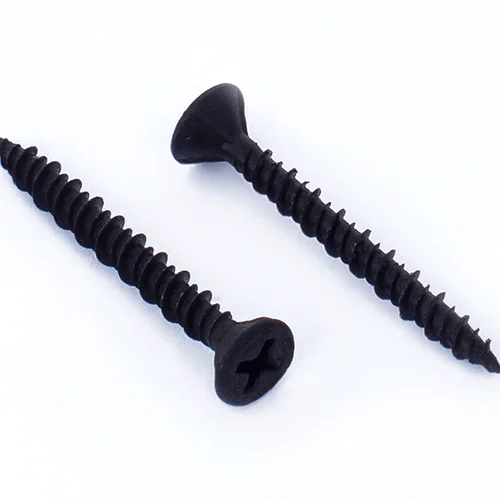
Drywall has become a go‑to solution for fast, clean, and modern interiors across India, and choosing the right drywall screw is critical for a strong, crack‑free finish. Whether you are a contractor, interior designer, or a DIY homeowner, understanding drywall screws will help you avoid costly failures and rework. This guide explains what drywall screws are, types available in India, how to choose the right size, and best practices for installation and storage.
Drywall Screw In India: What Makes It Different?
Drywall screw in India is a specialized fastener designed specifically to fix gypsum boards to metal or wooden frames in walls and ceilings. Unlike regular wood or general-purpose screws, drywall screws have a bugle head and sharp point that allow them to countersink smoothly into gypsum without tearing the paper surface. The threading is engineered to grip either wood or metal studs, ensuring a firm hold that reduces the chances of board movement, cracks, and nail pops in the finished surface.
Indian construction often combines brick walls with drywall partitions and false ceilings, so the performance of these screws directly affects the stability and finish of the structure. Good-quality drywall screws also come with corrosion-resistant coatings (such as phosphate or zinc) that help them withstand humidity in kitchens, bathrooms, and coastal regions. Because labour teams in India work at speed, a screw that drives easily, holds strongly, and stays rust-free becomes an essential part of any gypsum board project.
Drywall Screw In India: Common Types And Applications
Drywall screw in India is available in different thread patterns, lengths, and coatings to suit wooden and metal frameworks in residential, commercial, and institutional projects. The two most common thread types you will see are coarse thread and fine thread screws, each suited for a specific substrate.
Coarse thread drywall screws are typically used when you are fixing gypsum boards to wooden studs or wooden ceiling frames. Their deeper, wider threads bite into wood quickly and provide a strong mechanical grip, which is important when the frame is made of softwood or plywood. Fine thread drywall screws, on the other hand, are designed for metal stud framing systems that are now widely used in modern Indian interiors. The finer, closely spaced threads help them tap into thin-gauge metal without stripping, creating a secure joint ideal for partitions and false ceilings.
Beyond standard gypsum wallboards, these screws are also used for ceiling boards, drywall partitions, and even for light framing and cabinetry in some cases. In malls, offices, clinics, and premium homes, contractors prefer branded screws because they reduce breakage, speed up installation, and minimize callbacks due to loose boards or visible joint cracks. When choosing a type, always match the thread design to your frame material and follow the manufacturer’s recommendations for board thickness and application area.
How To Choose The Right Size And Specification?
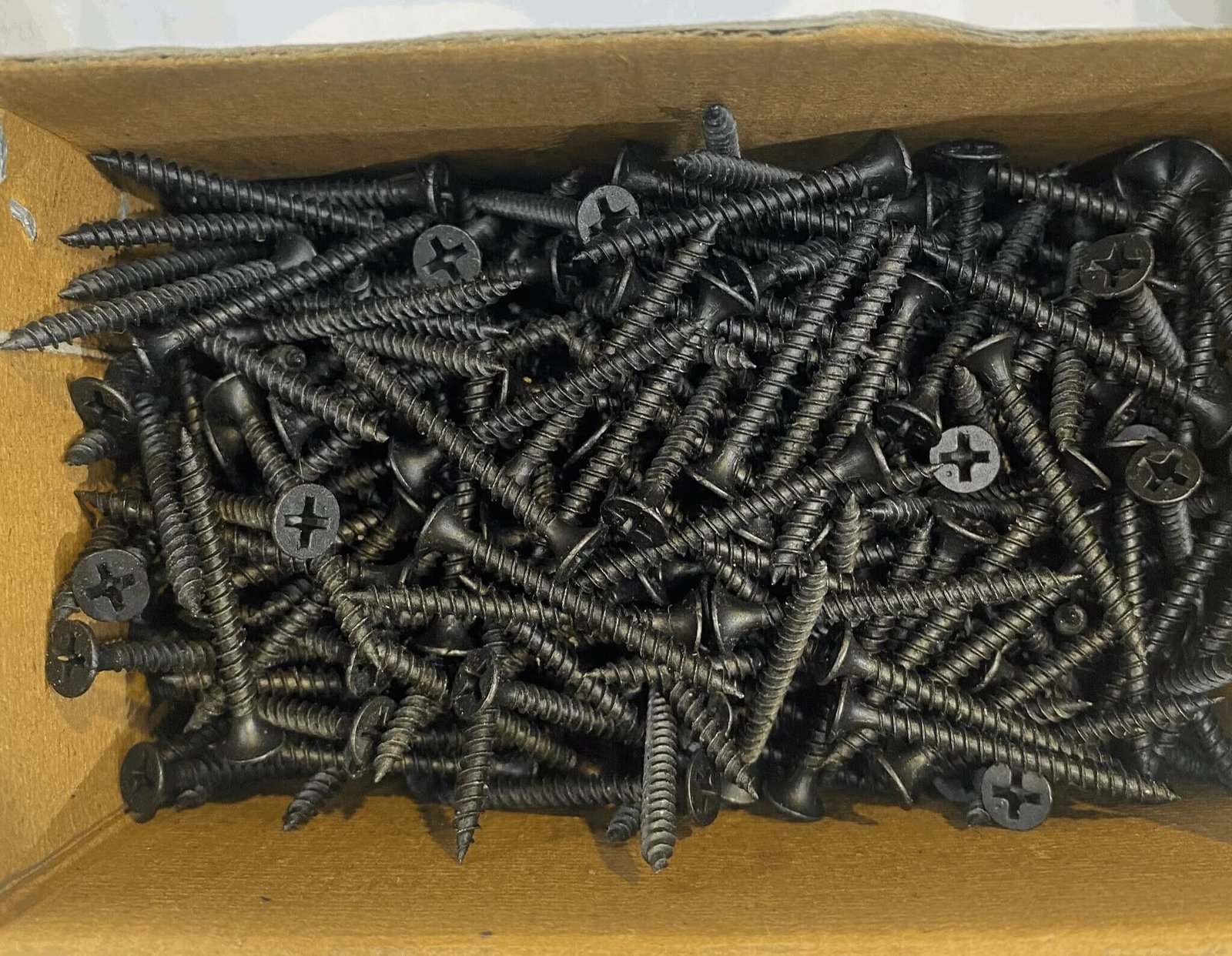
Choosing the right size of drywall screw is just as important as selecting a good brand, because incorrect length or diameter can lead to weak joints or damaged boards. In Indian projects, common drywall screw sizes range roughly from 3.5 x 16 mm to 3.5 x 50 mm, with shorter screws used for single-layer boards and longer ones for double-layer or thicker assemblies. The screw must be long enough to penetrate the gypsum board and securely enter the stud by at least a few millimetres, but not so long that it risks hitting concealed services like electrical conduits or plumbing lines.
Thread type is the next key specification. As a rule of thumb, use coarse thread screws for wooden studs and fine thread for metal studs, and avoid mixing them up on site because it affects holding power. Head style is another consideration: bugle-head screws are preferred because they sink slightly below the surface and can be covered easily with joint compound for a smooth finish. For humid or corrosive environments, look for screws with reliable anti-rust coating, which is particularly important in coastal cities or wet areas like bathrooms and utility spaces.
Finally, always buy screws that comply with recognized standards or come from manufacturers with clear technical datasheets and performance claims. This ensures that the hardness, tensile strength, and threading quality are suitable for high-speed power tool installation without frequent bit slippage or screw head snapping. Planning your screw specification alongside your board thickness, frame spacing, and design load will help you achieve a system that is both safe and easy to maintain over time.
Why Quality Matters When Buying Drywall Screws?
Many contractors are tempted to choose the cheapest option, but drywall screws are a classic example of a small component that has a big impact on project performance. Low-quality screws often have inconsistent threading, weak cores, or poor coatings, which can lead to stripped heads, snapped shanks, and reduced holding power during installation. This not only slows down the work but also forces your team to re‑fix panels, increasing labour cost and delaying project completion.
Poor coatings can result in rust marks seeping through paint or putty, especially in India’s humid climate, which damages the final appearance of walls and ceilings. Inferior screws may also loosen over time due to vibrations or thermal movement, causing joint cracks and popped screw heads that are expensive to repair once the interior is finished and occupied. In contrast, high‑quality drywall screws are engineered for consistent hardness, sharp tips, and precise thread profiles, ensuring reliable performance with both manual and power drivers.
For interior contractors, the reputation of your work depends heavily on how well the boards stay aligned, crack‑free, and stable over the long term. Paying slightly more for reputed brands and verified fasteners supplier that specialize in drywall systems can significantly reduce maintenance issues and enhance customer satisfaction. Over multiple projects, this investment in quality fasteners translates into fewer call-backs, smoother sites, and stronger referrals from clients.
How To Install Drywall Screws Correctly For Best Results?
Even the best drywall screw in India will underperform if it is installed incorrectly, so following a few simple best practices can make a big difference to the final outcome. Always start by marking stud locations clearly on the boards and setting up a consistent screw spacing pattern as per system guidelines, typically along edges and in the field of the board. Use a suitable power driver with a proper drywall bit or depth locator, which helps prevent overdriving the screws and damaging the gypsum core.
The screw head should sit just below the surface of the paper, not tearing it and not protruding above it. If the paper is broken, the holding capacity reduces, so such screws should be removed and a new screw driven a short distance away. Keep screws at an appropriate distance from board edges to avoid crumbling, and ensure that every screw firmly bites into a stud—missed studs can create hollow spots that later cause cracks or drumming sounds. For ceilings, take extra care with spacing and penetration, as boards there are under constant gravitational load.
After installation, inspect lines of screws for alignment and depth before applying joint tape and compound. A neat screw pattern not only reflects professionalism but also simplifies finishing because there are fewer problem points to repair. Training your team on correct tool use, bit selection, and quality checks can dramatically reduce rework and improve the reliability of your drywall systems.
How To Store And Handle Drywall Screws In Indian Conditions?
Storage and handling may seem like minor details, but they strongly affect the performance and life of drywall screws, especially in India’s varied climate. Always keep screw boxes in a dry, well‑ventilated area, away from direct moisture sources like leaking pipes, open windows during monsoon, or damp floors. Even coated screws can start rusting if left in wet or humid conditions for long durations, leading to stains and reduced strength when eventually installed.
It is a good idea to keep different sizes and types of screws clearly labelled and separated, so your site team does not accidentally mix fine thread metal-stud screws with coarse thread wood-stud screws. Using the wrong type on a particular frame can result in poor grip, squeaks, or even board detachment under load. During handling, avoid spilling screws on dusty or muddy surfaces, as dirt on threads can affect driving performance and increase wear on tool bits.
When moving screws between sites, use sealed containers or the original packaging to protect them from environmental exposure. Periodically check old stock for visible signs of corrosion or damage and use them only in non-critical areas if necessary, prioritizing fresh, good-quality screws for main partitions and ceilings. Good storage practices ensure that when your team reaches for a box of screws, every piece is ready to perform as intended, saving time and avoiding on-site surprises.
Conclusion
Selecting the right drywall screw in India is about more than just size; it involves matching thread type to frame material, checking coating quality, and buying from reliable manufacturers who understand gypsum board systems. When combined with correct installation, storage, and handling practices, high-quality screws ensure stronger partitions, cleaner ceilings, and fewer maintenance headaches for both contractors and homeowners. By paying close attention to this small but critical component, you can significantly improve the durability, safety, and aesthetics of every interior you build.