
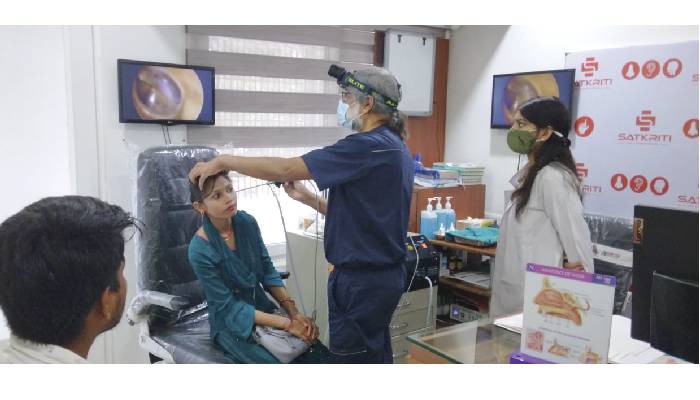
When you visit a clinic in Varanasi for earwax removal, there’s a structured process to expect. First, the audiologist will ask about your medical history and examine your ears with an otoscope to detect any blockages or infections. The appointment usually lasts between 15 to 30 minutes, but if there’s heavy buildup, it might take longer. Common methods used include manual removal with specialized tools, gentle irrigation with warm water or saline, and sometimes microsuction for stubborn wax. After the procedure, slight sensitivity may occur; however, this is normal. Regular check-ups can help prevent future issues while avoiding risky home remedies is crucial for healthy ears.
1. Understanding Earwax and Its Role
Earwax removal varanasi, also known as cerumen, is a natural substance produced by glands in the ear canal. Its primary role is to protect the ears by trapping dust, dirt, and other foreign particles, preventing them from reaching the inner ear. This sticky substance also has antibacterial properties, which help stop infections in the ear canal. The consistency of earwax varies from person to person, ranging from wet and sticky to dry and flaky. Factors like age, diet, and environment can influence how much earwax a person produces.
Interestingly, not all earwax needs to be removed. For many individuals, earwax clears itself naturally as the ear sheds old cells. However, some people may experience earwax impaction, which can lead to discomfort, a feeling of fullness in the ear, or even hearing issues. In such cases, seeking professional help is crucial, especially for those with excessive buildup or ear-related symptoms. Regular cleaning of the outer ear is usually sufficient for most people, but understanding your earwax type can guide you in choosing the right cleaning method.
 2. Initial Assessment: What Happens First?
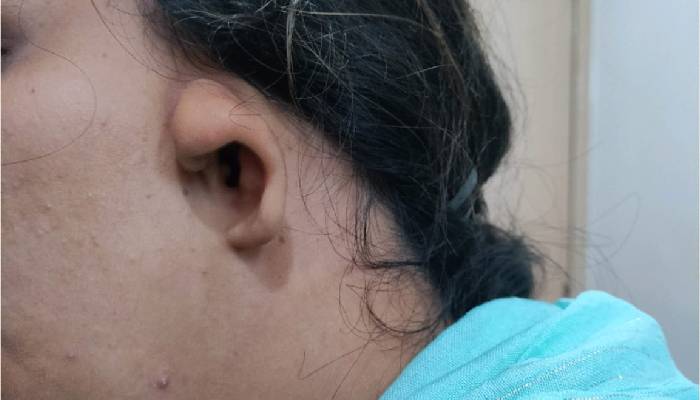 2. Initial Assessment: What Happens First?
When you arrive for your earwax removal appointment in Varanasi, the consultation typically starts with a warm greeting from the staff. You’ll be guided through the process, which helps ease any concerns you might have. Initially, you will fill out forms related to your medical history and any ear-related symptoms you are experiencing. This step is crucial, as it provides the audiologist with important background information.
The audiologist will then ask specific questions about your ear health, including any pain or changes in your hearing. This conversation helps to pinpoint any underlying issues. Following this, a thorough physical examination of your ears will take place. Using visual tools like an otoscope, the audiologist can closely inspect your ear canals for wax buildup and identify any other possible concerns, such as signs of infection.
It’s important to mention any previous ear treatments or surgeries you’ve had during this assessment, as this information can influence your care plan. Additionally, sharing details about your lifestyle can assist the audiologist in recommending suitable ear care practices tailored to your needs. Throughout this initial consultation, feel free to voice any anxieties or questions you may have; this open dialogue is encouraged and helps create a comfortable environment. Ultimately, this initial assessment lays the groundwork for a personalized ear care plan.
3. Typical Duration of Your Earwax Removal Appointment
Earwax removal appointments generally last between 15 to 30 minutes. If the buildup is simple, it can be resolved quickly, but more extensive cases may require additional time and possibly different methods for removal. For instance, if an audiologist determines that multiple techniques are needed to effectively clear the wax, the appointment could extend beyond the typical timeframe.
During any waiting period, patients can take it easy in the waiting area or review educational materials provided by the clinic. Arriving early can also help reduce any pre-appointment stress and give you time to complete necessary paperwork. It’s wise to avoid any ear cleaning practices in the days leading up to your visit, as this can help ensure a smoother removal process.
Keep in mind that the length of your appointment may also depend on the clinic’s schedule and the flow of patients on that day. Before starting, the audiologist will explain how long the removal process is expected to take, allowing you to plan your day accordingly. It’s a good idea to allow a little extra time for any unexpected delays during the procedure.
4. Methods Used for Earwax Removal
There are several techniques for earwax removal that audiologists may use, each suited for different situations. One common method is manual removal, where specialized tools like a curette or forceps are used to extract earwax directly from the ear canal. This technique allows for precise removal under direct visualization, ensuring safety and effectiveness.
Irrigation is another method that involves flushing the ear with warm water or saline. This helps to soften the wax, making it easier to remove. Sometimes, a solution like hydrogen peroxide is used beforehand to aid in dissolving the wax. This method is generally safe and effective, especially for softer wax.
Microsuction is also available in some clinics. This technique employs suction to gently remove wax without the use of water, which can be beneficial for certain types of blockages. Audiologists will choose the method that best suits the type of wax present and the comfort of the patient.
Before the procedure, the audiologist may ask about your comfort levels and any past experiences with earwax removal. Safety protocols are strictly followed during all procedures to minimize any discomfort or risk. Each method has its own advantages, and sometimes a combination of techniques may be used to achieve the best results. Understanding these methods can help patients feel more at ease during their visit.
5. What to Expect After the Procedure
After the earwax removal procedure, it’s common for patients to feel some temporary sensitivity or mild discomfort in their ears. This is usually nothing to worry about, but audiologists often recommend soothing drops or ointments to help ease any post-removal discomfort. Patients should be aware that they might experience normal sensations such as slight ringing in the ears or a feeling of fullness, which can occur as the ears adjust after the procedure. For those who tend to have excessive wax buildup, follow-up appointments may be necessary to keep things in check. It’s important to avoid inserting objects into the ears, including cotton swabs, as this can lead to re-blockage. If any discomfort continues for more than a few days, reaching out to the audiologist for advice is crucial. Many patients notice an improvement in their hearing clarity right after the procedure, which can be quite a relief. Educating patients on proper ear care can also play a significant role in preventing future issues. Some may need to adjust their cleaning habits based on how much earwax they tend to produce. Understanding what to expect after the procedure can help reduce anxiety and support a smoother recovery.
- Post-procedure, patients may experience temporary sensitivity or mild discomfort in the ears.
- Audiologists often recommend soothing drops or ointments to ease any post-removal discomfort.
- Patients should be informed about normal sensations they may experience, such as slight ringing or fullness.
- Follow-up appointments may be necessary for those prone to excessive wax buildup.
- Patients are advised to avoid inserting objects into the ears, including cotton swabs, to prevent re-blockage.
- If discomfort persists beyond a few days, patients should contact their audiologist for advice.
- Patients may notice an improvement in hearing clarity after the removal procedure.
- Educating patients on ear care can help prevent future issues or complications.
- Some patients might need to adjust their cleaning habits based on their earwax production.
- Understanding post-procedure expectations can help reduce anxiety and improve recovery.
6. Importance of Regular Follow-Ups
Regular follow-ups are crucial for maintaining ear health. Audiologists can monitor your ear condition and address any recurring issues that may arise. If you tend to produce excessive earwax, your audiologist might recommend scheduled cleanings every few months. This proactive approach helps catch any changes in hearing or overall ear health early on, allowing for prompt action if needed.
Additionally, follow-up visits provide an opportunity for audiologists to adjust cleaning recommendations based on your unique earwax production patterns. Establishing a routine for ear care can prevent complications related to excessive buildup, such as infections or hearing loss. It’s also important for patients to voice any new symptoms or concerns during these appointments, as this feedback can guide treatment decisions.
For those who have undergone ear surgeries or have specific ear conditions, more frequent evaluations may be necessary. Regular visits not only maintain optimal ear health and function over time, but they also serve as a platform for education on best practices for ear hygiene and care. Understanding the importance of these follow-ups reinforces the need for ongoing ear care.
7. Maintain Ear Health and Avoid Complications
Maintaining ear health is crucial for overall well-being. Simple practices can go a long way in preventing issues related to earwax. For instance, avoiding cotton swabs is important, as they often push wax deeper into the ear canal, leading to blockages. Keeping your ears dry and clean is essential; regular cleaning of the outer ear with a damp cloth usually suffices for hygiene without the need for invasive methods. Staying alert to symptoms like persistent ear pain or hearing loss is also key, as these may signal a need for professional evaluation.
In noisy environments, using earplugs can protect your hearing and reduce irritation from earwax. Additionally, avoiding exposure to loud sounds helps prevent ear damage, which can complicate existing wax issues. Maintaining proper hydration and a balanced diet contributes to healthier earwax consistency, making it easier for your body to manage wax naturally. Education on the risks of at-home removal methods is crucial; many people inadvertently worsen their condition by using unsafe techniques.
Understanding your personal earwax production can guide better ear care practices. Some individuals may produce more wax than others, and knowing this can help you take proactive steps. Overall, taking these measures can significantly enhance your ear health and quality of life.
Frequently Asked Questions
What should I do before my earwax removal appointment in Varanasi?
Before your appointment, it’s a good idea to avoid using cotton swabs or other objects in your ears. You may also want to gently soften the earwax by using over-the-counter drops for a few days prior, but always follow your doctor’s advice.
How long does the earwax removal process usually take?
The earwax removal process typically takes about 30 minutes to an hour, depending on the amount of wax and any specific challenges your doctor may face.
Will I feel any pain during the earwax removal?
Most people feel little to no pain, just some mild discomfort. The procedure is generally quick and done with care to keep you comfortable.
What tools are used for removing earwax in Varanasi clinics?
Clinics often use specialized tools like suction devices, microscopes, or ear loops to safely and effectively remove earwax without causing harm.
How will I know if I need to get my earwax removed?
Signs you may need earwax removal include difficulty hearing, a feeling of fullness in the ear, or ringing sounds. If you’re experiencing any of these symptoms, it’s best to consult a healthcare provider.
TL;DR Earwax removal in Varanasi involves understanding earwax’s role, an initial medical assessment, and a typical appointment lasting 15 to 30 minutes. Methods include manual removal, irrigation, and microsuction, aimed at ensuring comfort and effectiveness. Post-procedure, mild sensitivity may occur, with recommendations for aftercare and regular follow-ups to prevent future issues. Consulting a professional audiologist is essential for optimal ear health.