
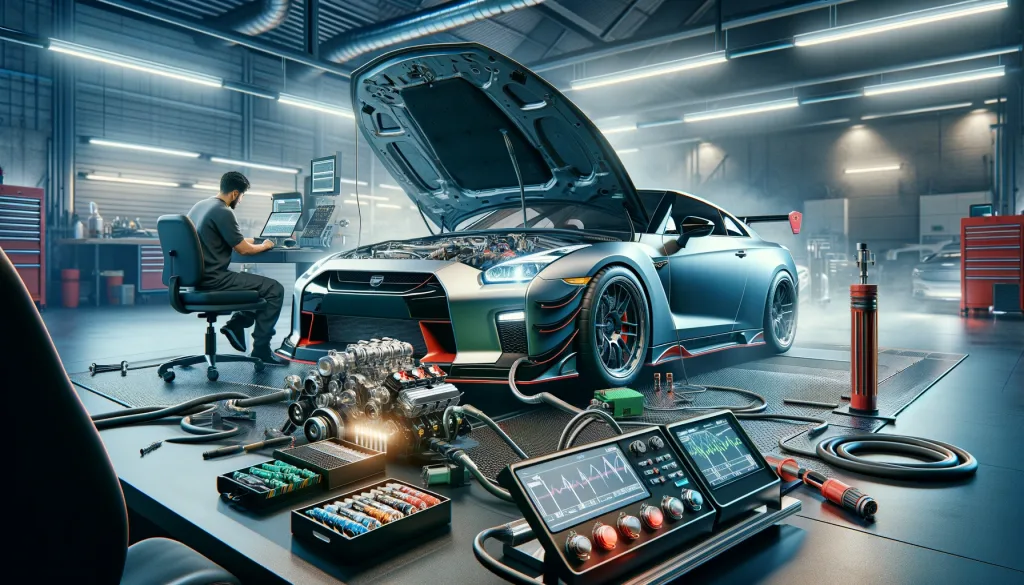
For many new car enthusiasts, modifying a vehicle is an exciting way to improve performance, enhance driving enjoyment, and learn more about automotive mechanics. However, beginners often assume that performance upgrades require extensive mechanical knowledge or thousands of dollars. In reality, several simple and affordable modifications can improve a vehicle’s responsiveness, handling, and overall driving experience without requiring advanced skills.
This guide explores the easiest performance upgrades for beginner car enthusiasts, including their benefits, costs, and what to expect after installation.
Why Start with Simple Performance Upgrades?
Many first-time modifiers make the mistake of focusing only on horsepower gains. While additional power can be exciting, the best beginner upgrades often improve the overall driving experience rather than just increasing engine output.
Benefits of beginner-friendly upgrades include:
- Improved throttle response
- Better handling
- Enhanced braking performance
- Increased driving confidence
- Valuable mechanical learning experience
- Affordable installation costs
Starting with simple modifications also reduces the risk of reliability issues.
Things to Consider Before Modifying Your Car
Before purchasing any upgrades, evaluate:
- Vehicle condition
- Maintenance history
- Budget
- Warranty coverage
- Local vehicle regulations
- Insurance requirements
A well-maintained car will benefit more from upgrades than one with unresolved mechanical problems.
1. High-Performance Air Filter
One of the simplest upgrades for beginners is replacing the factory air filter with a high-flow performance air filter.
Benefits
- Improved airflow
- Better throttle response
- Reusable filter options
- Easy installation
Most performance air filters can be installed in less than 15 minutes using basic tools.
Difficulty Level
Beginner
Cost Range
$30–$100
2. Performance Tires
Many experienced enthusiasts consider tires the most effective performance upgrade available.
Benefits
- Improved grip
- Better cornering
- Shorter braking distances
- Increased driver confidence
Even without adding horsepower, quality tires can dramatically improve a vehicle’s performance.
Difficulty Level
Professional installation recommended
Cost Range
$400–$1,200+
3. Performance Brake Pads
Better brakes improve both safety and performance.
Benefits
- Improved stopping power
- Better heat resistance
- More consistent braking performance
Performance brake pads are especially useful for spirited driving and mountain roads.
Difficulty Level
Beginner to Intermediate
Cost Range
$50–$250
4. Upgraded Brake Fluid
Many new enthusiasts overlook brake fluid, but it can significantly affect braking consistency.
Benefits
- Improved pedal feel
- Better heat resistance
- Enhanced braking performance
This inexpensive upgrade can be particularly valuable for performance-oriented drivers.
Difficulty Level
Intermediate
Cost Range
$15–$50
5. Performance Exhaust System
A cat-back exhaust system is a popular entry-level modification.
Benefits
- Improved exhaust flow
- Enhanced engine sound
- Slight performance gains
- Reduced weight in some cases
Most gains are modest, but the improved driving experience often makes this upgrade worthwhile.
Difficulty Level
Intermediate
Cost Range
$300–$1,500
6. Lightweight Wheels
Reducing unsprung weight can improve handling and acceleration.
Benefits
- Better steering response
- Improved acceleration
- Enhanced braking
- More agile handling
Lightweight wheels can transform how a vehicle feels on the road.
Difficulty Level
Professional installation recommended
Cost Range
$500–$2,000+
7. Performance Suspension Components
Upgrading suspension components can significantly improve cornering and stability.
Popular options include:
- Lowering springs
- Performance shocks
- Strut braces
- Sway bars
Benefits
- Reduced body roll
- Improved handling
- Better road feel
- Increased cornering confidence
Difficulty Level
Intermediate to Advanced
Cost Range
$200–$2,000+
8. ECU Tune
An Engine Control Unit (ECU) tune adjusts factory engine settings to optimize performance.
Benefits
- Increased horsepower
- Improved torque
- Better throttle response
- Enhanced drivability
Turbocharged vehicles often see the largest gains from ECU tuning.
Difficulty Level
Professional or software-based installation
Cost Range
$300–$1,000
Performance Upgrade Comparison Table
| Upgrade | Difficulty | Typical Cost | Performance Impact |
|---|---|---|---|
| Air Filter | Easy | $30–$100 | Low to Moderate |
| Tires | Easy | $400–$1,200+ | Very High |
| Brake Pads | Easy | $50–$250 | Moderate |
| Brake Fluid | Moderate | $15–$50 | Moderate |
| Exhaust System | Moderate | $300–$1,500 | Moderate |
| Wheels | Easy | $500–$2,000+ | Moderate |
| Suspension | Moderate | $200–$2,000+ | High |
| ECU Tune | Moderate | $300–$1,000 | High |
Best Upgrade for Beginners
If you’re new to car modifications, prioritize upgrades in this order:
- Tires
- Brake pads
- Air filter
- Suspension improvements
- Exhaust system
- ECU tune
This approach improves overall vehicle performance while maintaining reliability.
Maintenance Before Modifications
Before upgrading performance parts, ensure the vehicle is properly maintained.
Important maintenance items include:
- Oil changes
- Air filter replacement
- Spark plugs
- Brake inspection
- Tire condition
- Fluid checks
Many cars regain lost performance simply through proper maintenance.
Common Beginner Modification Mistakes
Focusing Only on Horsepower
Handling, braking, and tire upgrades often provide more noticeable improvements than small horsepower gains.
Buying Low-Quality Parts
Cheap components may reduce reliability and create additional repair costs.
Ignoring Research
Not every modification works well on every vehicle. Research compatibility before purchasing parts.
Skipping Maintenance
Performance upgrades cannot compensate for poor vehicle maintenance.
Modifying Too Quickly
Adding multiple upgrades at once makes it difficult to evaluate individual improvements.
Reliability Considerations
Many beginner-friendly upgrades have minimal impact on reliability.
Generally safe modifications include:
- Air filters
- Tires
- Brake pads
- Brake fluid
- Mild suspension upgrades
More aggressive modifications, such as high-boost turbo upgrades or extensive engine tuning, may increase wear on engine components.
Budget-Friendly Performance Build Example
For enthusiasts with a limited budget, the following upgrade path offers excellent value:
| Upgrade | Estimated Cost |
|---|---|
| Performance Air Filter | $50 |
| Brake Pads | $100 |
| Brake Fluid | $25 |
| Quality Tires | $700 |
| Total | Approximately $875 |
This combination can significantly improve driving performance without major mechanical changes.
Long-Term Benefits of Learning Through Modifications
Working on your own vehicle provides valuable experience and skills.
Benefits include:
- Improved mechanical knowledge
- Greater confidence with repairs
- Better understanding of vehicle systems
- Increased appreciation for automotive engineering
Many enthusiasts start with simple upgrades before progressing to more advanced projects.
Conclusion
The easiest performance upgrades for beginner car enthusiasts focus on improving handling, braking, responsiveness, and overall driving enjoyment rather than chasing maximum horsepower. Upgrades such as performance tires, brake pads, air filters, suspension improvements, and ECU tunes can dramatically improve a vehicle’s capabilities while remaining beginner-friendly.
Starting with simple modifications allows new enthusiasts to learn about their vehicles, develop mechanical skills, and enjoy meaningful performance improvements without sacrificing reliability. With proper research, quality parts, and realistic expectations, beginners can build a more enjoyable and capable vehicle one upgrade at a time.
Frequently Asked Questions (FAQs)
What is the best first performance upgrade for a car?
Performance tires are often considered the most effective first upgrade because they improve grip, braking, and handling.
Do performance air filters increase horsepower?
Some performance air filters may provide small horsepower gains and improved throttle response, but expectations should remain realistic.
Is ECU tuning safe for beginners?
Professional ECU tuning can be safe when performed correctly, but beginners should ensure the tune is designed specifically for their vehicle.
Are suspension upgrades worth it?
Yes. Suspension upgrades often improve handling and driver confidence more noticeably than minor horsepower modifications.
Can performance upgrades affect reliability?
Mild upgrades generally have little impact on reliability, while aggressive engine modifications may increase wear on components.
How much should a beginner spend on performance upgrades?
Many enthusiasts can achieve noticeable improvements with a budget of $500–$1,500 by focusing on tires, brakes, and basic performance parts.