
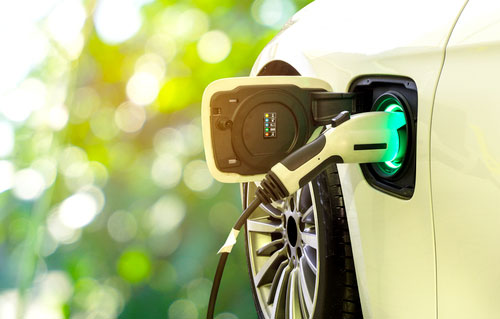
As environmental concerns continue to shape consumer priorities, eco-friendly cars with low carbon emissions are increasingly in demand. Drivers today want transportation that minimizes environmental impact without sacrificing performance, comfort, or practicality. Whether you’re buying your first green vehicle or planning to replace an older gas-guzzling model, understanding the best eco-friendly cars can help you make a smart choice.
This guide explores top cars with low carbon emissions, highlights key features to consider when going green, and answers common questions drivers have when selecting environmentally responsible vehicles.
While many buyers consider safety features a high priority—such as those featured on Cars Offering Best Safety Ratings for Teenagers—others place greater emphasis on reducing their carbon footprint. Fortunately, many modern cars excel in both areas, allowing drivers to choose models that are safe and eco-friendly.
What Makes a Car Eco-Friendly?
An eco-friendly car produces fewer harmful emissions and typically uses alternative fuel or advanced technology to reduce its carbon output. These vehicles often fall into the following categories:
-
Electric Vehicles (EVs): Powered entirely by electricity with zero tailpipe emissions.
-
Plug-In Hybrid Electric Vehicles (PHEVs): Combine electric driving with a combustion engine for extended range.
-
Hybrid Electric Vehicles (HEVs): Use a gasoline engine assisted by an electric motor for improved efficiency.
-
Fuel-Efficient Conventional Cars: Traditional gas-powered vehicles with advanced efficiency technologies that reduce emissions.
The goal is to choose vehicles that optimize fuel usage, reduce greenhouse gases, and support a more sustainable future.
Key Eco-Friendly Technologies in Modern Cars
Modern low-emission vehicles utilize a mix of innovative technologies:
-
Electric Drivetrains: Eliminate tailpipe emissions entirely.
-
Regenerative Braking: Recovers energy during braking to improve efficiency.
-
Lightweight Materials: Reduce overall vehicle weight, improving power use.
-
Advanced Aerodynamics: Improves airflow to conserve energy.
-
Eco-Driving Modes: Optimize performance to reduce energy consumption.
Understanding these technologies helps buyers identify which vehicles offer the most impact for environmental protection.
Top Eco-Friendly Cars With Low Carbon Emissions
Below are some of the best vehicles in various categories of eco-friendly transportation.
1. Tesla Model 3 (Electric Vehicle)
The Tesla Model 3 remains one of the most popular all-electric cars globally due to its performance, range, and efficiency. As a pure EV, it produces zero tailpipe emissions, making it one of the most eco-friendly cars available.
Highlights
-
Zero emissions
-
Long electric range
-
Advanced battery efficiency
2. Toyota Prius (Hybrid)
A long-time leader in green driving, the Toyota Prius continues to set the standard for hybrid efficiency. Its hybrid system pairs a gasoline engine with an electric motor to reduce fuel consumption and emissions.
Highlights
-
Excellent fuel economy
-
Proven hybrid technology
-
Minimal carbon footprint for daily driving
3. Nissan Leaf (Electric Vehicle)
The Nissan Leaf is a more affordable EV option that still delivers strong eco-friendly benefits. With its electric motor and efficient battery setup, it produces no emissions and is ideal for city commuting.
Highlights
-
Zero emissions
-
User-friendly design
-
Affordable EV choice
4. Honda Insight (Hybrid)
The Honda Insight blends hybrid efficiency with a comfortable driving experience. It offers low emissions with a stylish design and practical features suitable for everyday use.
Highlights
-
Strong fuel economy
-
Standard safety and comfort
-
Balanced hybrid performance
5. Hyundai Ioniq (Electric & Hybrid Options)
The Hyundai Ioniq is available in hybrid, plug-in hybrid, and all-electric versions, giving buyers flexibility based on their needs. All trims focus on reducing emissions and maximizing efficiency.
Highlights
-
Multiple eco configurations
-
Excellent efficiency ratings
-
Strong balance of performance and sustainability
Comparison Table: Eco-Friendly Cars With Low Carbon Emissions
| Model | Type | Estimated Emissions | Best For | Notable Advantage |
|---|---|---|---|---|
| Tesla Model 3 | EV | Zero | Long-range commuters | High efficiency & performance |
| Toyota Prius | Hybrid | Very Low | Daily drivers | Proven hybrid reliability |
| Nissan Leaf | EV | Zero | City driving | Affordable electric option |
| Honda Insight | Hybrid | Very Low | Comfortable everyday use | Blend of efficiency & comfort |
| Hyundai Ioniq | EV/PHEV/Hybrid | Zero to Very Low | Variety of eco needs | Flexible eco configurations |
Note: “Estimated Emissions” reflects relative tailpipe output. Electric vehicles show zero tailpipe emissions.
Benefits of Choosing Low-Emission Cars
Choosing an eco-friendly car pays dividends for both the environment and individual owners:
-
Reduced Carbon Footprint: Cleaner operation helps combat global warming.
-
Lower Running Costs: Electric and hybrid vehicles often cost less to operate than traditional gasoline cars.
-
Incentives and Tax Benefits: Many regions offer rebates or tax incentives for low-emission vehicles.
-
Quiet Operation: EVs and hybrids tend to have quieter cabins.
How to Evaluate a Car’s Emission Levels
Before buying, drivers should look at:
-
Official Emission Ratings: Many governments require standardized testing and labeling.
-
Fuel Economy Numbers: Often listed as miles per gallon (MPG) or electric range.
-
Battery Capacity (for EVs): Larger batteries often mean longer electric range and fewer emissions per mile.
-
Energy Efficiency Metrics: Specific to electric and hybrid vehicles.
Comparing these metrics helps ensure that your chosen vehicle aligns with your environmental goals.
Common Myths About Eco-Friendly Cars
Drivers sometimes hesitate to choose eco-friendly vehicles due to misconceptions. Here are a few clarified:
-
Myth: EVs lack power. Modern electric cars often outperform traditional vehicles in acceleration.
-
Myth: Hybrid cars are expensive. While some cost more upfront, fuel savings often offset the investment.
-
Myth: Charging infrastructure is limited. Charging stations are rapidly expanding in cities and highways globally.
Understanding these realities can help buyers choose with confidence.
FAQs About Eco-Friendly Cars With Low Carbon Emissions
What is the cleanest type of vehicle for the environment?
Electric vehicles (EVs) are generally the cleanest due to zero tailpipe emissions. Hybrids and plug-in hybrids also reduce emissions significantly compared to conventional cars.
How much do eco-friendly cars reduce emissions?
The reduction varies by model and usage, but EVs eliminate tailpipe emissions entirely. Hybrids can cut fuel use and emissions by 30–50% depending on driving conditions.
Do hybrid cars still produce emissions?
Yes, hybrids still use gasoline engines, but they produce significantly lower emissions than traditional gas-only cars.
Are eco-friendly cars more expensive?
Some eco-friendly cars cost more upfront, but many offer savings through lower fuel costs and potential government incentives.
Is battery life a concern for electric cars?
Modern EVs are designed with durable batteries, and most include warranties that cover significant battery degradation.
Conclusion
Eco-friendly cars with low carbon emissions are becoming more accessible and practical for everyday driving. From zero-emission electric vehicles like the Tesla Model 3 and Nissan Leaf to dependable hybrids like the Toyota Prius and Honda Insight, today’s market offers options for nearly every budget and lifestyle.
Choosing an environmentally responsible car not only benefits the planet but often saves money over time and supports a cleaner future. Whether you prioritize range, comfort, or affordability, there’s an eco-friendly vehicle that fits your needs.