
The egg donation process San Diego offers hope to families struggling with infertility while providing rewarding opportunities for eligible donors. This comprehensive procedure involves medical screening, hormone stimulation, and egg retrieval performed at specialized fertility clinics throughout San Diego County. This guide covers everything you need to know about egg donation requirements, steps involved, compensation, and finding reputable programs in the San Diego area.
What Is Egg Donation Process San Diego?
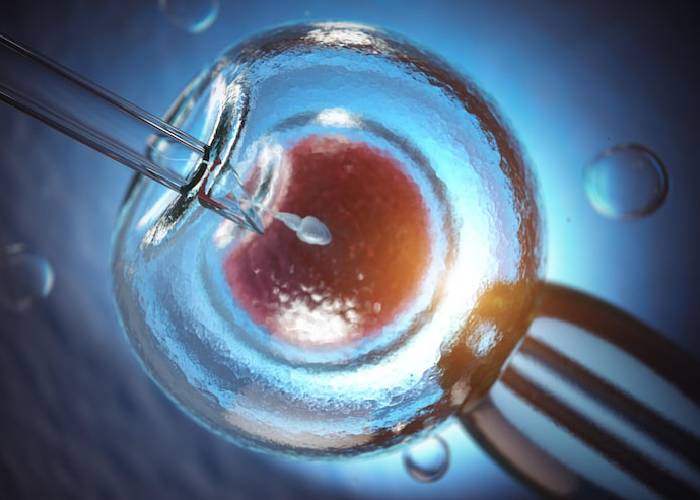
The egg donation process San Diego refers to the complete medical and legal procedure through which qualified women donate their eggs to help individuals or couples achieve pregnancy. Donors undergo thorough health screening, ovarian stimulation with fertility medications, and a minor surgical procedure to retrieve mature eggs. These eggs are then fertilized with sperm in a laboratory and transferred to the intended mother or gestational carrier.
San Diego fertility clinics follow strict FDA and ASRM guidelines ensuring donor and recipient safety throughout the process. The entire journey typically takes 2-3 months from initial application to egg retrieval. Donors receive comprehensive medical care, legal representation, and financial compensation for their time and commitment. Professional programs provide dedicated coordinators guiding donors through each step with clear communication and support.
Why Egg Donation Process San Diego Matters for Families?
Choosing established egg donation process programs in San Diego ensures safe, ethical treatment for both donors and intended parents. Many families face infertility due to diminished ovarian reserve, genetic conditions, or repeated IVF failures. Egg donation provides them realistic opportunities to build families when using their own eggs is not viable.
San Diego offers world-class fertility centers with experienced reproductive endocrinologists specializing in donor egg cycles. These clinics maintain rigorous screening protocols protecting all parties while maximizing success rates. Legal frameworks ensure clear parental rights and confidentiality preferences are documented properly. Professional programs prioritize donor health with careful monitoring throughout stimulation cycles. The compassion and generosity of egg donors transforms lives, making the donation process deeply meaningful for everyone involved.
 How To Qualify As An Egg Donor?
 How To Qualify As An Egg Donor?
Egg donor qualifications vary by program but generally include age between 21-32 years, BMI within healthy ranges, and non-smoking status. Donors must have regular menstrual cycles indicating normal ovarian function and no significant medical or genetic conditions. Psychological screening ensures donors understand the emotional aspects of donation and provide informed consent.
Educational requirements differ among programs, with many preferring donors currently enrolled in or graduated from college. Family medical history is thoroughly reviewed to identify hereditary conditions that could affect offspring. Drug screening and infectious disease testing are mandatory per FDA regulations. Previous successful donations demonstrate proven egg quality and increase acceptance chances. Honest disclosure of all health information protects everyone involved and ensures appropriate matching.
Steps Involved In Egg Donation Journey
The donation journey begins with comprehensive application including personal information, medical history, and photographs. Once preliminarily accepted, donors undergo extensive medical screening including blood work, ultrasound examinations, and genetic carrier testing. Psychological evaluation confirms donors understand responsibilities and have realistic expectations about the process.
After matching with intended parents, legal contracts are signed by all parties establishing rights, compensation, and confidentiality terms. Donors then begin hormone injections for approximately 10-14 days to stimulate multiple egg development. Regular monitoring appointments track follicle growth through blood tests and ultrasounds. When follicles reach maturity, a trigger injection prepares eggs for retrieval scheduled 36 hours later. The retrieval procedure takes 20-30 minutes under light sedation, with most donors resuming normal activities within a few days.
Compensation And Time Commitment For Donors
Egg donors in San Diego typically receive compensation ranging from $8,000 to $15,000 per cycle depending on donor characteristics and program policies. First-time donors often start at base rates while proven donors with successful pregnancies may command higher compensation. All medical expenses, travel costs, and legal fees are covered separately from donor compensation.
The time commitment extends beyond the retrieval procedure itself. Expect numerous monitoring appointments requiring early morning clinic visits during stimulation weeks. Some appointments take 1-2 hours including travel and waiting time. Injections must be administered daily at consistent times, requiring discipline and organization. Plan for taking the retrieval day off work and potentially 1-2 additional recovery days. Understand compensation reflects your time, effort, and commitment rather than payment for eggs themselves.
Risks And Safety Considerations For Donors
Egg donation is generally safe when performed at reputable clinics with experienced medical teams, but understanding potential risks is essential. Ovarian hyperstimulation syndrome (OHSS) represents the most serious risk, causing abdominal pain, bloating, and nausea in severe cases. Modern protocols using antagonist medications and trigger shots have significantly reduced OHSS incidence.
Minor side effects from hormone medications include mood swings, headaches, breast tenderness, and injection site irritation. The retrieval procedure carries minimal risks like bleeding, infection, or reaction to sedation medications. Long-term studies show no increased cancer risks or fertility problems for egg donors. Reputable programs provide 24/7 medical support throughout cycles and maintain emergency protocols for complications. Full disclosure of all symptoms ensures timely intervention if issues arise.
Conclusion
The egg donation process San Diego provides life-changing opportunities for families while offering donors meaningful compensation and the satisfaction of helping others. Thorough screening, professional medical care, and clear legal frameworks protect all parties throughout the journey. Consider becoming an egg donor if you meet qualifications and feel called to help families achieve their dreams of parenthood.