
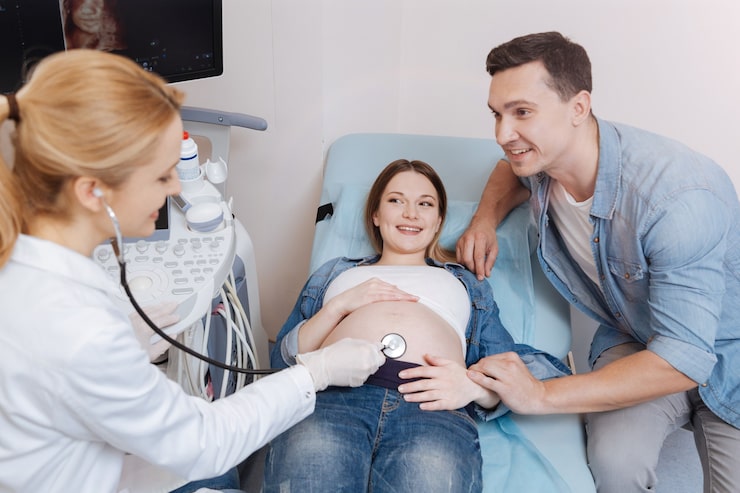
The egg donor matching process plays a crucial role for individuals and couples looking to start families through assisted reproductive technologies. This structured procedure pairs intended parents with egg donors based on specific criteria, enhancing the chances of successful pregnancies. Initially, fertility clinics conduct assessments to gather detailed medical histories and personal preferences from both parties. Once profiles are reviewed, recipients can select donors according to their needs while maintaining privacy. After selecting a donor, specialists confirm details before moving forward with treatment plans. Overall, understanding this process provides clarity and confidence for both donors and parents on their journey to parenthood.
1. Understanding the Egg Donor Matching Process
The egg donor matching service process is crucial for helping individuals and couples achieve their dreams of parenthood. It begins with an intake form, where potential donors and recipients provide essential details about their medical histories and personal preferences. This information forms the foundation for a successful match. Various matching criteria are considered, including physical traits like height and eye color, educational backgrounds, and even personal values. Fertility clinics often rely on databases to streamline this process, making it efficient and accurate.
Beyond physical characteristics, the initial matching might also take into account lifestyle factors such as smoking habits or exercise routines, which can impact overall health and fertility. Intended parents frequently have the option to specify preferences based on ethnic backgrounds or other characteristics, ensuring that they feel a connection to their donor.
Importantly, the matching process is designed to foster comfort and understanding between both parties. Before finalizing a match, donors and recipients may discuss their preferences or concerns with a counselor, promoting open communication. Many clinics facilitate this communication to ensure that everyone involved is on the same page. Transparency is a key aspect, as both donors and recipients should have access to information about each other and the overall matching process. This careful approach helps set the stage for a positive experience as both parties move forward in their journey.
- The matching process starts with an intake form where potential donors and recipients share their medical history and personal preferences.
- Matching criteria can include physical traits, educational backgrounds, and personal values.
- Fertility clinics often utilize databases to streamline the matching process, ensuring efficiency and accuracy.
- The initial matching may also consider lifestyle factors such as smoking or exercise habits.
- Intended parents may have the option to specify preferences based on ethnic backgrounds or other characteristics.
- The matching process is designed to ensure that both the donor and recipient are comfortable with the match before proceeding.
- Communication between parties may be facilitated by the clinic to ensure clarity and understanding.
- The process may vary depending on the clinic, with some offering more personalized services.
- Transparency is key, as both parties should have access to information about the process and each other.
- Donors and recipients may have the opportunity to discuss their preferences or concerns with a counselor before finalizing the match.
 2. Initial Assessment of Donors and Recipients
 2. Initial Assessment of Donors and Recipients
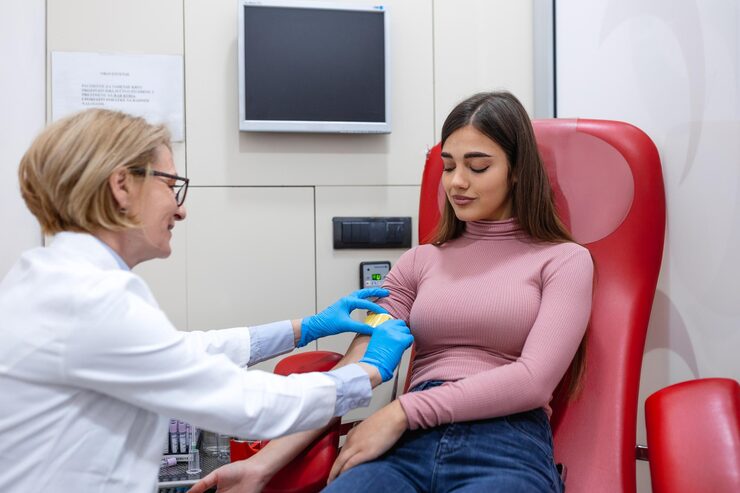
The initial assessment is a key step in the egg donor matching service, as it collects vital information about both donors and recipients. This process includes gathering medical histories, genetic backgrounds, and family medical histories to ensure that all potential issues are addressed early on. Donors often have to provide recent medical records, including details about hormone levels and their reproductive health history, while recipients also share their medical backgrounds.
Psychological evaluations are conducted for both parties to ensure they are emotionally prepared for the journey ahead. Fertility specialists perform health screenings to identify any genetic disorders or health issues that could impact the success of the donation process. Additionally, lifestyle assessments are included, where questions about diet, exercise habits, and substance use help to provide a clearer picture of each party’s overall health.
These assessments help identify red flags that could complicate the process later on. For example, if a potential donor has a family history of certain genetic conditions, this would be flagged during the assessment. Counseling services are also available to support both donors and recipients in understanding the emotional aspects of this journey.
It’s important for both parties to feel comfortable and informed, so they are encouraged to ask questions and express any concerns during this phase. Follow-up assessments may be required to ensure ongoing health and suitability for donation or reception, and this thorough process can take several weeks to complete, depending on the depth of the evaluation.
3. Reviewing Donor Profiles and Preferences
Intended parents dive into a variety of donor profiles, each containing key details like age, education, and physical traits such as hair and eye color. This wealth of information allows them to filter potential matches based on their specific preferences, streamlining the selection process. Many profiles feature personal essays from donors, offering insights into their motivations and values, which can help intended parents feel a connection to the donor. Depending on the clinic’s policy, recipients may also view donor photographs, adding a personal touch to their decision-making. Some clinics take it a step further by allowing anonymous communication between donors and recipients, enabling questions and clarifications before any final choice is made. It’s also essential to consider family medical history, a critical element included in donor profiles, as it informs recipients about potential health risks. Privacy measures are strictly enforced to safeguard the identities of both parties throughout this process. Donor profiles are regularly updated to ensure that all information remains accurate and relevant. Additionally, donors can indicate whether they are open to future contact, providing more options for recipients. The entire review process is designed to be user-friendly, making it easier for intended parents to navigate and find the right match.
4. The Matching Process Explained
The matching process begins when intended parents select a donor profile that resonates with their desires and needs. Once a choice is made, fertility specialists step in to verify the accuracy of the medical and personal information provided in the donor’s profile. This validation ensures that the details are correct and reliable. After confirming the match, both parties are informed, and additional consent is obtained from the donor. Legal agreements are then drafted to protect the interests of both donors and recipients, addressing concerns like anonymity and future contact.
Fertility clinics utilize advanced software to facilitate efficient matches based on various criteria, ensuring a smooth process. However, if the first option doesn’t meet the expectations of either party, the process may involve multiple rounds of matching. Throughout this journey, communication between the clinic and both parties remains open, allowing for any concerns to be addressed promptly. Intended parents are often encouraged to visit the clinic for consultations, providing a chance to discuss the match in detail. This collaborative effort includes input from medical and psychological professionals, ensuring that the match is not only suitable but also a good fit. Once all agreements are finalized, clear steps toward treatment are outlined for both parties, paving the way for the next stages of the process.
5. Developing a Treatment Plan After Matching
After a successful match between an egg donor and intended parents, a detailed treatment plan is crafted. This plan outlines every step of the process, beginning with egg retrieval and continuing through embryo transfer. It is essential for the recipient to prepare their body for the embryo transfer, so medication protocols are established. Both parties are informed about the timing of the egg retrieval and embryo transfer to ensure proper scheduling.
Regular monitoring is a key part of the plan. The recipient undergoes ultrasounds and blood tests to track her readiness for transfer. Meanwhile, the donor will also be on hormonal treatments to stimulate egg production, with these processes closely monitored by specialists to ensure safety and effectiveness.
The treatment plan goes beyond just logistics; it also addresses potential risks and outlines how these will be managed throughout the process. Counseling sessions may continue to support both the donor and the recipient, providing a space to discuss any concerns or emotions that arise. Information about recovery times and post-procedure care is shared with both parties to prepare them for what comes next.
Additionally, clinics often provide educational materials to help everyone understand what to expect throughout the journey. Follow-up appointments are scheduled to assess the outcomes of the transfer and to offer ongoing support as needed.
6. Types of Egg Donor Matching Available
Matching services for egg donors can be categorized into two main types: anonymous and known donor matching. In anonymous matching, the identities of both donors and recipients are kept confidential, ensuring privacy for all involved. This option is often preferred by those who want to maintain a clear boundary between their personal lives and the donation process. On the other hand, known donor matching allows for a pre-existing relationship, which can lead to more personal communication and a deeper connection. Some clinics also provide semi-anonymous options, where limited information is exchanged under specific conditions, striking a balance between privacy and openness.
Cultural and ethnic matching is another important aspect, as many intended parents look for donors who share their background. Clinics may use algorithms to streamline the matching process, taking into account a variety of factors that can enhance compatibility. Donors also have the ability to express preferences regarding the type of match they are comfortable with, giving them a voice in the process.
Challenges can arise, especially when intended parents have specific traits in mind for donors. This may lead clinics to expand their search criteria to find suitable matches. The overall availability of donors can fluctuate, which can significantly affect how quickly a match can be made. Clear communication about expectations is crucial, helping to prevent misunderstandings and ensuring that everyone involved is on the same page.
7. Role of Fertility Clinics in Matching
Fertility clinics are the backbone of the egg donor matching process, acting as guides for both donors and intended parents. They conduct thorough screenings to ensure that both parties are safe and healthy, which is vital for a successful outcome. Clinics maintain comprehensive databases that help match donors with recipients efficiently, taking into account various preferences and medical histories. Throughout this journey, counselors and medical professionals are available to support and address any concerns, providing reassurance and clarity.
Additionally, clinics often hold educational sessions to prepare both parties for what lies ahead, ensuring they understand the emotional and physical aspects of the process. To widen the pool of potential donors, clinics may collaborate with external agencies, enhancing the chances of finding the right match. Legal compliance is also a priority, safeguarding the rights of both donors and recipients. Regular communication keeps everyone updated on the status of the matching process, and support groups may be available for sharing experiences and feelings. By continually collecting feedback, clinics strive to improve their matching services, making the experience as smooth as possible for everyone involved.
8. Success Rates and Factors to Consider
Success rates for egg donation can vary significantly, influenced by several key factors. Generally, younger donors, particularly those in their 20s, tend to yield higher success rates, with statistics indicating that these women often have the best outcomes. However, the age and overall health of the recipient also play crucial roles. A recipient’s reproductive history, including any previous pregnancies or treatments, can impact the likelihood of success as well.
Clinics often provide their own success statistics, which can help recipients set realistic expectations for their journeys. Additionally, the method of embryo transfer, whether using fresh or frozen eggs, can affect pregnancy chances. Emotional readiness and access to psychological support are vital components that can influence the overall success of the process as well. Recipients might experience waiting periods for matches, especially if they have specific preferences regarding donors. Fortunately, eggs can be frozen for later use, which offers flexibility in matching and treatment timelines. Continuous updates on success rates and outcomes are communicated to both donors and recipients, ensuring everyone stays informed. It is essential for both parties to engage in open discussions about their goals and expectations to enhance the matching and donation process.
Frequently Asked Questions
What is the egg donor matching process?
The egg donor matching process involves finding a suitable egg donor for individuals or couples looking to conceive. It usually includes a thorough evaluation of donor profiles, medical histories, and personal preferences, ensuring a good fit.
How long does it take to find an egg donor?
The time it takes to find an egg donor can vary. It might take a few weeks to several months, depending on the recipient’s specific requirements and the availability of matching donors.
What kind of information is shared about egg donors?
Information shared about egg donors usually includes age, physical characteristics, medical history, education, and sometimes personal interests. Recipients can review this information to help make their decision.
Can recipients get to know their egg donors?
In some cases, recipients can have a limited interaction with their egg donors, depending on the agency’s policies. This can include anonymous communication or even optional meetings, if both parties agree.
What if I have specific preferences for my egg donor?
If you have specific preferences for your egg donor, you can communicate those to the matching service. They will do their best to find a donor that fits your criteria, whether it’s related to appearance, ethnicity, or other traits.
TL;DR The egg donor matching service is a vital process for individuals wishing to start families through assisted reproductive technologies. This structured procedure involves assessing donors and recipients, reviewing profiles, and ultimately matching based on preferences. Fertility clinics play a key role in facilitating this process, conducting evaluations, and providing support. Success rates generally range from 40% to 50%, influenced by factors like the recipient’s age and health. Understanding this process helps both donors and intended parents navigate their journey toward parenthood.