
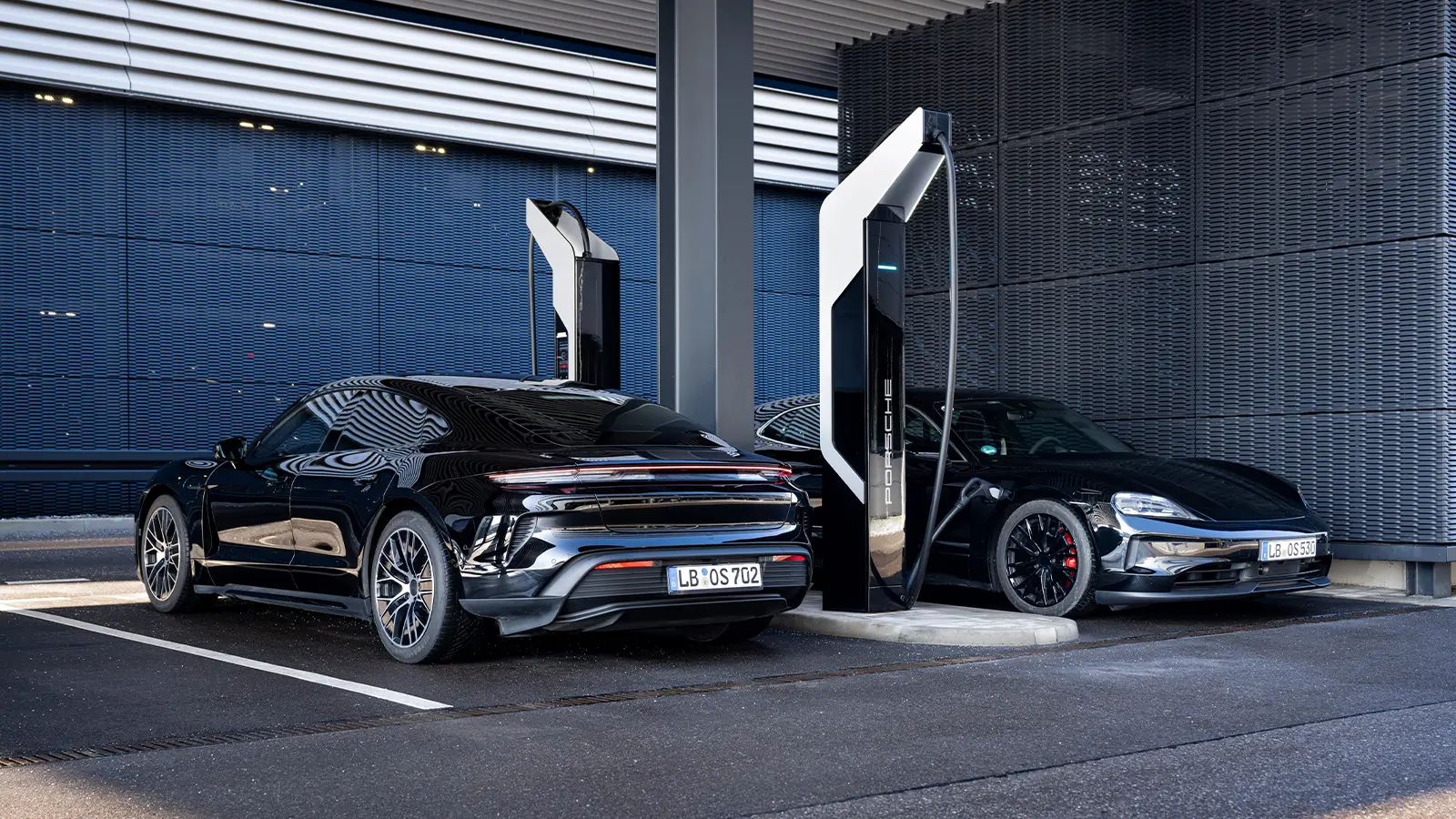
Electric cars have rapidly evolved from niche alternatives into mainstream vehicles, largely due to advancements in battery technology and fast charging capability. One of the biggest concerns for potential electric vehicle (EV) buyers has always been charging time. Today, that concern is fading as manufacturers introduce electric cars that can charge in minutes rather than hours.
This article explores electric cars with fast charging capability, how fast charging works, its benefits, and what buyers should consider when choosing a fast-charging EV.
What Is Fast Charging in Electric Cars?
Fast charging refers to the ability of an electric car to recharge its battery at significantly higher power levels compared to standard home charging. These systems typically use DC (direct current) fast chargers, which bypass the vehicle’s onboard charger and deliver power directly to the battery.
Depending on the vehicle and charger, fast charging can restore 60–80% of battery capacity in as little as 15–40 minutes.
Why Fast Charging Capability Matters
Fast charging plays a crucial role in accelerating the adoption of electric cars. Its benefits include:
-
Reduced waiting time during long journeys
-
Greater convenience for urban drivers without home chargers
-
Improved confidence for first-time EV buyers
-
Better suitability for highway and intercity travel
As charging infrastructure expands globally, fast charging capability is becoming a standard expectation rather than a luxury feature.
How Fast Charging Technology Works
Fast charging systems operate at much higher voltages and currents than standard chargers. Key components include:
-
DC Fast Chargers: Deliver power directly to the battery
-
Advanced Battery Management Systems: Protect battery health
-
Thermal Control Systems: Prevent overheating during rapid charging
Modern electric cars are engineered to balance charging speed with battery longevity.
Electric Cars Known for Fast Charging Capability
Many electric vehicles now support ultra-fast charging, particularly those designed for long-range and premium segments. Some models can add hundreds of kilometers of range in under 30 minutes when connected to high-power charging stations.
Fast charging capability is especially common in performance sedans, luxury EVs, and increasingly in electric crossovers and Premium SUVs with All-Wheel-Drive Capability.
Charging Speeds Compared
| Charging Type | Average Power Output | Time to 80% Charge |
|---|---|---|
| Home AC Charger | 7–11 kW | 6–10 hours |
| Public AC Charger | 11–22 kW | 4–6 hours |
| DC Fast Charger | 50–150 kW | 30–60 minutes |
| Ultra-Fast Charger | 250+ kW | 15–30 minutes |
Factors That Affect Fast Charging Performance
Not all electric cars charge at the same speed, even on the same charger. Several factors influence performance:
Battery Size and Chemistry
Larger batteries may take longer to charge fully, but advanced chemistries allow higher charging rates.
Vehicle Charging Limit
Each EV has a maximum charging capacity that cannot be exceeded, regardless of charger power.
Battery Temperature
Extreme cold or heat can slow down charging to protect battery health.
State of Charge
Fast charging is most effective between 10% and 80% battery levels.
Benefits of Owning a Fast-Charging Electric Car
-
Shorter stops on road trips
-
Increased daily usability
-
Greater flexibility for apartment dwellers
-
Enhanced resale value
-
Future-proof compatibility with new charging networks
As charging stations become faster and more widespread, these benefits will continue to grow.
Things to Consider Before Buying
Before choosing an electric car with fast charging capability, consider the following:
-
Availability of fast chargers in your area
-
Vehicle’s maximum charging speed
-
Battery warranty and degradation protection
-
Real-world charging performance, not just advertised figures
-
Long-term charging costs
Choosing a car that aligns with your driving habits is more important than simply selecting the fastest option available.
The Future of Fast Charging
The future of electric mobility points toward even faster charging times. Innovations such as solid-state batteries, higher-voltage architectures, and smarter charging networks aim to reduce charging time to under 10 minutes, rivaling traditional refueling.
As technology advances, fast charging will no longer be a premium feature but a standard expectation across all electric vehicle categories.
FAQs: Electric Cars with Fast Charging Capability
1. How fast is fast charging for electric cars?
Fast charging typically restores 60–80% of battery capacity in 15 to 40 minutes, depending on the vehicle and charger.
2. Does fast charging damage the battery?
Occasional fast charging is safe. Modern EVs are designed with battery management systems to minimize long-term degradation.
3. Can all electric cars use fast chargers?
No. Only electric cars equipped with DC fast-charging capability can use these chargers.
4. Is fast charging more expensive than home charging?
Yes, fast charging generally costs more per unit of electricity compared to home charging.
5. Will fast charging become faster in the future?
Yes. Ongoing advancements in battery technology and charging infrastructure continue to reduce charging times.
Conclusion
Electric cars with fast charging capability are transforming the way people think about electric mobility. By significantly reducing charging time and increasing convenience, these vehicles make electric driving more practical than ever. As technology evolves and infrastructure expands, fast charging will play a central role in shaping a cleaner, more efficient transportation future.