
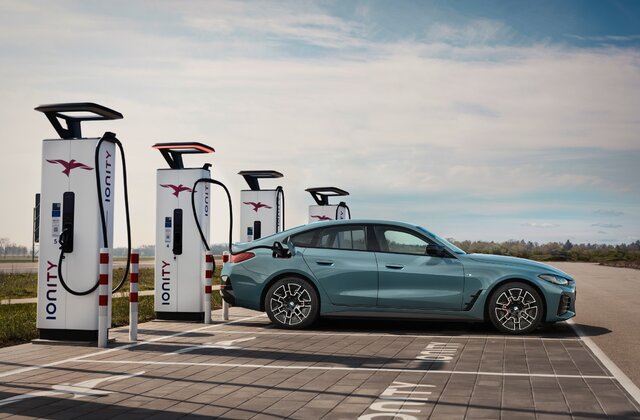
Electric vehicles (EVs) are reshaping how we think about mobility—but one of the biggest factors for buyers continues to be charging time. Quick-charging capabilities make long road trips more practical and reduce downtime when you’re on the go. If you’ve ever considered electric driving, knowing which models have the fastest charging times can significantly influence your choice.
In this guide, we’ll explore the electric cars with the fastest charging time currently available, compare key specs in an easy table, and answer common questions about fast charging. For drivers who also weigh off-road or versatile vehicle options, note how EV charging performance contrasts with other priorities seen in Best SUVs for Off Road Driving and Camping vehicles.
Why Fast Charging Matters
Electric car charging differs from filling a gas tank: charging times vary widely depending on:
-
Battery capacity and chemistry
-
Charging station power levels
-
Thermal management systems
-
Vehicle charging architecture (e.g., 400V vs. 800V platforms)
A fast charge can mean adding hundreds of miles of range in 15–20 minutes, making electric cars far more convenient for longer trips and daily use alike.
What Defines “Fast Charging”
Most fast-charging comparisons measure how quickly a vehicle can go from about 10% to 80% battery level on a high-power DC charger. This range is where most EVs can accept peak charging power before the battery management system slows the rate to protect the cells.
Top EVs With Fastest Charging Times
Here are some electric cars noted for among the quickest charging times, based on real-world tests and manufacturer specs:
1. Lotus Eletre
-
Peak Charging Power: ~350 kW
-
10–80% Charge Time: ~14 minutes
-
Estimated Range: ~373 miles
This EV SUV leads many lists as the fastest-charging production electric vehicle currently available.
2. Porsche Taycan (All Variants)
-
Peak Charging Power: Up to ~320 kW
-
10–80% Charge Time: ~18 minutes
-
Available Range: ~390+ miles
The Taycan’s advanced 800-volt system enables very rapid charging compared to many competitors.
3. Hyundai Ioniq 6
-
Peak Charging Power: ~350 kW
-
10–80% Charge Time: ~18 minutes
-
Range Added in 10 Minutes: ~180 miles
Hyundai’s latest performance-oriented Ioniq 6 achieves impressive rapid charging with next-gen battery tech.
4. Genesis GV60
-
Peak Charging Power: ~350 kW
-
10–80% Charge Time: ~18 minutes
The GV60 shares its fast-charging platform with Hyundai and Kia siblings, delivering one of the quickest charge times for electric SUVs.
5. Kia EV6 / Hyundai Ioniq 5
-
Peak Charging Power: ~235–350 kW
-
10–80% Charge Time: ~18–21 minutes
These popular EVs lead their class with strong charging performance and solid overall driving range.
6. Porsche Macan Electric (Upcoming)
-
Peak Charging Power: ~270 kW
-
10–80% Charge Time: ~20 minutes
Expected to deliver rapid charging once it’s released, bringing performance SUV EVs into the fast-charge category.
Comparison: Fastest Charging Electric Cars
| EV Model | Peak Charging Power | 10–80% Charge Time | Notes / Highlights |
|---|---|---|---|
| Lotus Eletre | ~350 kW | ~14 mins | Fastest tested charging EV |
| Porsche Taycan | ~320 kW | ~18 mins | High performance with quick charging |
| Hyundai Ioniq 6 | ~350 kW | ~18 mins | Excellent range added per short charge |
| Genesis GV60 | ~350 kW | ~18 mins | Compact SUV with fast charging |
| Kia EV6 / Hyundai Ioniq 5 | ~235–350 kW | ~18–21 mins | Strong combination of range and charge speed |
| Porsche Macan Electric | ~270 kW | ~20 mins | Upcoming high-speed charging SUV |
Tips to Get the Most Out of EV Fast Charging
-
Use 800V-compatible chargers: Vehicles with 800-volt systems maintain higher power longer.
-
Stay between 10%–80%: Most EVs accept peak charge in this window.
-
Precondition the battery: Some EVs warm the battery en route to fast chargers to optimize speed.
-
Plan chargers along routes: Apps like PlugShare and A Better Routeplanner can map high-power DC stations.
Frequently Asked Questions (FAQs)
1. Why doesn’t every EV charge in 10–15 minutes?
Charging speed relies on battery chemistry, thermal management, and charger compatibility. Not all EVs are engineered to accept ultra-high power levels from fast chargers.
2. Is peak charging the best way to compare EVs?
Not always. Peak numbers can be high but may drop quickly early in the charging session. Real-world 10–80% times give a better picture of usable charging performance.
3. Do fast chargers damage the battery?
Modern EVs have sophisticated battery management systems to protect health. Frequent use of high-speed charging may slightly impact long-term battery life compared to slower charging, but manufacturers design EVs to handle it safely.
4. What is a good charging time for long trips?
Adding 150–200 miles of range in 15–20 minutes is considered excellent for road trips, allowing you to recharge while you rest.
5. Can a home charger compete with public fast chargers?
No. Home Level 2 chargers are slower (typically overnight charging), while DC fast chargers provide rapid boosts only suitable for public infrastructure.
6. Are fast charging networks widely available?
Coverage is growing, especially in major regions. Apps help you locate 150 kW and 350 kW chargers along major routes.
Final Thoughts
Electric mobility continues to evolve rapidly, and charging speeds are a major part of that progress. The electric cars with the fastest charging time — including vehicles like the Lotus Eletre, Porsche Taycan, Hyundai Ioniq 6, and Genesis GV60 — are pushing the boundaries of what’s possible in EV refueling. With peak charging times often under 20 minutes from 10% to 80%, these models make long drives and quick top-ups more practical than ever.