
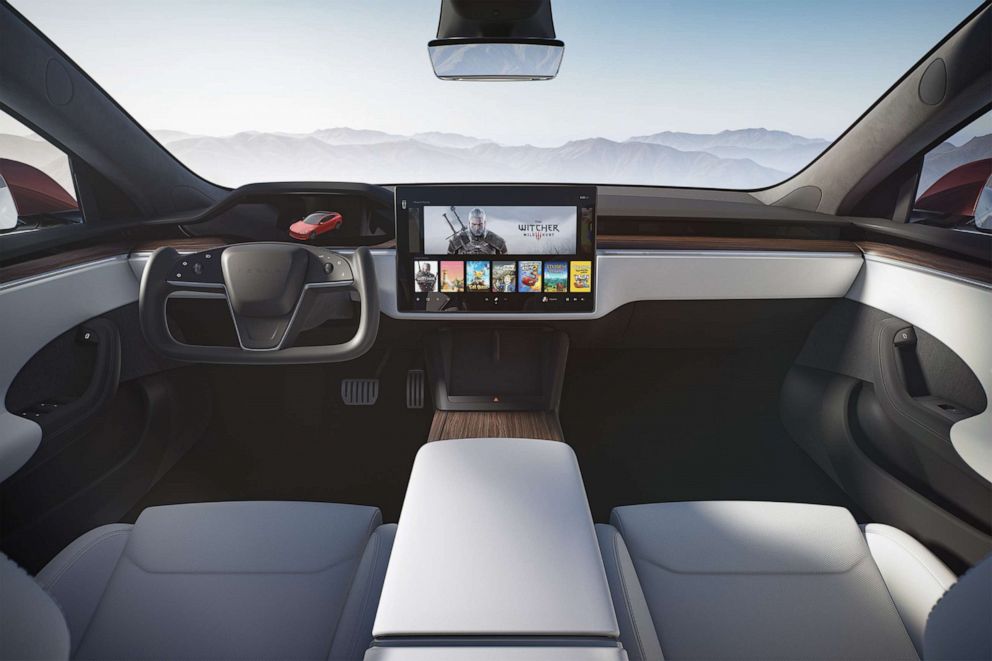
Electric SUVs are becoming increasingly popular for drivers who want eco-friendly performance without sacrificing space, comfort, or versatility. Modern electric SUVs combine zero-emission driving with powerful electric motors, long-range batteries, and innovative cabin designs. For families, road-trippers, or anyone needing extra space, choosing an electric SUV with a spacious interior is a smart investment.
This guide explores the best electric SUVs with roomy interiors, key features to consider, and tips for selecting the perfect model for your needs.
Why Spacious Interiors Matter in Electric SUVs
Interior space is a major factor when choosing an SUV, especially for families or frequent travelers. Spacious interiors provide:
-
Comfortable seating for all passengers
-
Ample cargo capacity for luggage, groceries, or sports equipment
-
Flexible seating arrangements with folding rear seats
-
Enhanced legroom and headroom for long journeys
Electric SUVs often utilize flat-floor battery designs, which create additional cabin space compared to traditional internal combustion engine SUVs.
Benefits of Electric SUVs
1. Eco-Friendly Driving
Electric SUVs produce zero tailpipe emissions, reducing your carbon footprint.
2. Smooth and Quiet Ride
Electric motors offer near-silent operation and instant torque for a smooth driving experience.
3. Low Operating Costs
Electric vehicles have fewer moving parts, reducing maintenance costs over time.
4. Advanced Technology Features
Many models include smart infotainment systems, driver-assistance features, and modern connectivity options.
5. Ample Interior Space
Unlike conventional SUVs, electric SUVs often maximize interior room due to efficient battery placement.
Top Electric SUVs with Spacious Interiors
| Model | Passenger Capacity | Cargo Space (cu ft) | Key Interior Features | Price Range |
|---|---|---|---|---|
| Tesla Model X | 5–7 | 88 | Falcon wing doors, premium materials | $90,000–$120,000 |
| Ford Mustang Mach-E | 5 | 59 | Touchscreen controls, adjustable rear seats | $45,000–$65,000 |
| Hyundai Ioniq 5 | 5 | 54 | Sliding rear seats, minimalist cabin | $42,000–$55,000 |
| Kia EV6 | 5 | 52 | Panoramic sunroof, modular storage | $45,000–$60,000 |
| Audi e-tron | 5 | 57 | Leather seating, advanced climate control | $70,000–$85,000 |
| Volkswagen ID.4 | 5 | 64 | Spacious legroom, flexible cargo | $40,000–$55,000 |
These electric SUVs combine roomy interiors with performance, efficiency, and modern technology.
Features to Look for in a Spacious Electric SUV
When evaluating electric SUVs, consider the following:
-
Seating Flexibility: Adjustable or foldable seats enhance cargo options.
-
Legroom and Headroom: Ensure comfort for tall passengers in both front and rear seats.
-
Storage Compartments: Additional compartments improve usability for daily needs.
-
Infotainment and Connectivity: Large screens and wireless charging enhance convenience.
-
Climate Control: Multi-zone climate systems keep all passengers comfortable.
How Electric SUV Design Enhances Space
Battery placement plays a major role in interior room. Most electric SUVs use a flat-floor battery layout under the cabin, which eliminates the central transmission tunnel found in traditional SUVs. This design:
-
Maximizes legroom for rear passengers
-
Provides flat floors for cargo flexibility
-
Allows for larger door openings and easier entry/exit
Range and Performance Considerations
While interior space is a priority, performance and range are equally important:
-
Battery Range: Look for models offering 250–350 miles per charge for long trips.
-
Charging Options: Fast-charging capabilities save time on longer drives.
-
Power and Torque: Electric motors deliver instant acceleration for city and highway driving.
-
Towing Capacity: Some electric SUVs can tow small trailers or recreational gear, adding to their versatility.
Advanced Technology in Electric SUVs
Many electric SUVs feature cutting-edge technology, including:
-
Driver-assistance systems such as lane-keeping, blind-spot monitoring, and adaptive cruise control
-
Smart infotainment with touchscreen displays, wireless Apple CarPlay/Android Auto
-
Over-the-air software updates for continual improvements
Cars with Adaptive Cruise Control Technology are particularly valuable in electric SUVs, as they complement smooth acceleration and regenerative braking, making highway driving more convenient and safe.
Maintaining Your Electric SUV
Proper care ensures longevity and performance:
-
Keep tires properly inflated for efficiency and comfort
-
Monitor battery health and follow charging guidelines
-
Update software when prompted
-
Schedule regular service checks for brakes, suspension, and cabin systems
Well-maintained electric SUVs maintain both performance and interior comfort for years.
Frequently Asked Questions (FAQs)
Are electric SUVs really more spacious than gasoline SUVs?
Yes, the flat-floor battery design and lack of a transmission tunnel often provide more legroom and cargo space than comparable internal combustion SUVs.
How long does it take to charge an electric SUV?
Charging times vary by model and charger type. Fast chargers can replenish 80% of battery capacity in 30–45 minutes.
Can electric SUVs handle long road trips?
Yes, models with 250+ miles of range per charge and access to fast-charging networks are suitable for long trips.
Do electric SUVs have enough cargo space for families?
Most modern electric SUVs offer flexible cargo layouts with foldable rear seats, providing ample space for luggage, strollers, or sports gear.
Is the driving experience different from gasoline SUVs?
Electric SUVs are quieter, offer instant torque, and deliver smoother acceleration, often enhancing the overall driving experience.
Conclusion
Electric SUVs with spacious interior design successfully combine comfort, sustainability, and advanced technology. They provide room for passengers and cargo, smooth electric performance, and reduced environmental impact. When choosing an electric SUV, consider seating flexibility, cargo space, battery range, and modern driver-assistance features such as Cars with Adaptive Cruise Control Technology to enhance convenience and safety. For families, daily commuters, or anyone seeking eco-friendly versatility, these vehicles offer a compelling option for the future of driving.