
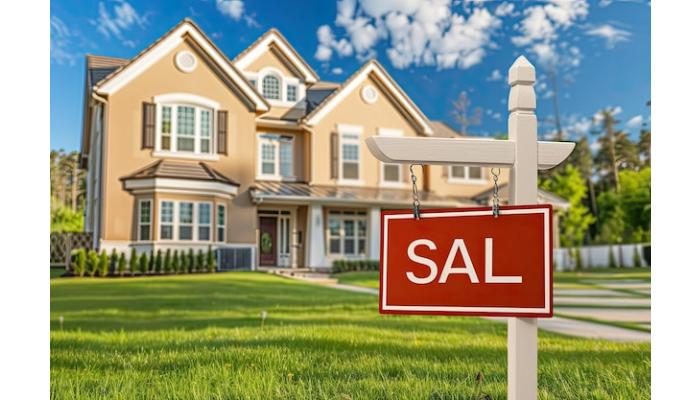
Elite luxury home auctions are transforming the real estate landscape for high-net-worth buyers and sellers. This method allows transactions to close fast, often within 60 days, delivering global exposure and a competitive bidding culture. Properties like waterfront estates and historic manors attract attention beyond traditional listings. Buyers find advantages in quicker sales, bidding wars that can elevate prices, and transparency throughout the process. Moreover, exclusive auction opportunities appeal to discerning clients searching for unique homes. As trends sway toward lifestyle investments and sustainability becomes crucial, elite auctions are carving a niche in high-end real estate that benefits both parties greatly.
1. Overview of Elite Luxury Home Auctions
Luxury home auctions in Florida are increasingly becoming a favored avenue for high-net-worth individuals looking to buy and sell premium properties. These auctions offer a quick turnaround, often completing transactions within 60 days, which is significantly faster than traditional sales that can take much longer. The global nature of auction platforms attracts international buyers and investors, expanding the market reach for sellers.
Properties typically featured in these auctions include stunning waterfront homes, upscale penthouses, and historical manors. These exclusive listings are often not found on conventional real estate platforms, making them particularly appealing to affluent buyers seeking unique opportunities. The competitive bidding environment created during auctions can drive prices higher than expected, reflecting current market demand and the desirability of the properties.
In terms of efficiency, auction sales can surpass traditional sales, allowing sellers to close deals more swiftly and often at higher prices. Additionally, the demographics of buyers in this market commonly include successful entrepreneurs, investors, and celebrities, all of whom are drawn to the exclusivity and prestige associated with luxury auctions. Professional auctioneers play a crucial role in facilitating these transactions, employing their expertise to ensure that the auction process runs smoothly and effectively.
Notable examples of luxury auctions have showcased incredible outcomes, highlighting the potential for significant financial gains for sellers and unique investment opportunities for buyers. The growing trend of elite luxury home auctions reflects a shift in how high-end real estate is bought and sold, catering to the needs and preferences of a discerning clientele.
- Definition of elite luxury home auctions and their growing popularity among high-net-worth individuals.
- Speed of transactions, often completed within 60 days, compared to traditional sales timelines.
- Global reach provided by auction platforms, attracting international buyers and investors.
- Types of properties typically auctioned include waterfront homes, penthouses, and manors.
- The role of luxury auctions in creating competitive bidding environments that can drive prices up.
- Comparison of auction sales to traditional sales in terms of efficiency and pricing.
- The exclusivity of auctioned properties is often not found on regular real estate platforms.
- Insights into the buyer demographics commonly participating in luxury home auctions.

2. Benefits of Luxury Property Auctions
Luxury property auctions offer several advantages that make them an attractive option for both buyers and sellers. One of the key benefits is the speed of sale, with many properties selling in under 60 days, significantly faster than the traditional market average of 319 days for high-end homes. The competitive bidding environment can elevate sale prices, ensuring that properties fetch their true market value. Buyers also enjoy clear terms and conditions during the auction process, which reduces uncertainties that often accompany real estate transactions.
Moreover, auctions provide exclusive access to high-end properties that are typically not available through conventional listings. This exclusivity expands the options for buyers seeking unique investments. Sellers benefit from increased visibility as auction houses implement targeted marketing strategies that draw attention to their properties.
For buyers, unique bidding strategies can be employed, allowing them to set maximum limits and negotiate terms directly during the auction. This real-time engagement helps gauge interest and demand for a property. Additionally, there may be potential tax advantages for sellers opting for the auction route, sometimes resulting in higher-than-expected sale prices. Success stories abound, showcasing how sellers have achieved lucrative results through the auction process.
3. Major Players in Luxury Auctions
Several auction houses dominate the luxury market, each bringing unique strengths to the table. J.P. King Auction Company has a long-standing reputation, having specialized in high-end properties for over a century. Their expertise in bespoke marketing has made them a trusted name for those looking to sell multimillion-dollar estates.
Platinum Luxury Auctions stands out with its innovative ‘date-certain’ closing model, ensuring that buyers and sellers know exactly when transactions will be finalized. This approach appeals to high-value property owners who desire a predictable timeline.
Sotheby’s Concierge Auctions merges traditional auction methods with digital solutions, leveraging its rich 280-year history to reach international markets. This blend enhances accessibility and attracts a broader audience, making it easier for luxury buyers from around the world to participate.
Supreme Auctions is known for its impressive success rate, reportedly selling 98% of multimillion-dollar estates quickly. Their efficient processes ensure that properties do not linger on the market, a crucial factor for sellers seeking fast results.
DeCaro Auctions International takes a personalized approach, offering tailored marketing strategies that cater to a global clientele. This focus on individual campaigns helps in capturing the interest of selective buyers.
When comparing these auction houses, it’s clear that each has carved out a niche based on their offerings and market focus. Their marketing techniques are also noteworthy; they utilize targeted advertising, social media engagement, and high-quality visual content to attract potential buyers. The role of technology cannot be overlooked, as advancements in online bidding platforms have enhanced the auction experience, making it more interactive and accessible for participants.
Recent collaborations among these auction houses further strengthen their positions in the market, allowing them to pool resources and expertise. Looking to the future, these key players are expected to adapt and evolve to meet changing market demands, particularly as the luxury auction space continues to grow in popularity.
4. Trends Shaping Luxury Real Estate in 2025
The luxury real estate market in 2025 is being shaped by several significant trends. First, there is a growing demand for coastal properties, which are seeing annual appreciation rates between 6-8%. This trend is driven by the limited availability of beachfront estates, making them highly sought after. Additionally, the market is witnessing an increase in cash transactions, with about 96% of luxury buyers opting for cash purchases. This prevalence indicates a strong confidence in real estate as a reliable investment.
Emerging lifestyle markets are also gaining attention, with areas like Salt Lake City and the revival of San Francisco becoming popular among luxury buyers. These markets appeal due to their unique lifestyle offerings, which attract affluent individuals looking for more than just a home.
Technology continues to play a pivotal role in shaping the auction process. Digital platforms enhance accessibility and engagement for bidders, making it easier for buyers to participate in auctions from anywhere in the world. Furthermore, sustainability is becoming a key criterion for buyers, who are increasingly looking for energy-efficient homes built with sustainable materials, reflecting a broader societal shift towards environmentally conscious living.
The buyer demographic is evolving as well, with younger generations entering the market. These buyers have different expectations, prioritizing smart home technologies and integrated systems that enhance their living experience. Lastly, social media is transforming how luxury properties are marketed, enabling auctions to reach a wider audience and create buzz around high-end listings.
Overall, the luxury real estate market is adapting to these trends, which are expected to continue influencing buyer preferences and property values in the coming years.
5. Tips for Buyers in Luxury Auctions
When participating in luxury home auctions, buyers should first establish a clear maximum bid. This helps prevent emotional overbidding in the heat of the moment. Conducting thorough market research is also crucial, as it enables buyers to understand property values and trends, ensuring they make informed decisions. Engaging with professionals, such as real estate agents or auction experts, can provide valuable insights and guidance throughout the process.
Understanding the auction process is essential to avoid surprises on auction day. Buyers should familiarize themselves with the terms and rules to navigate the event smoothly. It is also wise to consider potential renovation costs and the condition of the property, as these factors can significantly affect the overall investment.
Using strategic bidding techniques can enhance the chances of success. For instance, starting with a strong bid can set a competitive tone. Additionally, networking with other buyers can provide insights and shared experiences that may prove beneficial. Reviewing past auction results of similar properties can offer further context for making informed bidding decisions.
Due diligence is critical; buyers should conduct property inspections and title checks to avoid unexpected issues. Finally, being prepared to act quickly is vital in a competitive bidding environment, as opportunities can be fleeting.
6. Tips for Sellers in Luxury Auctions
To succeed in luxury home auctions, sellers should start by developing a personalized marketing strategy that effectively targets the right buyers. This involves understanding the unique aspects of the property and crafting messages that resonate with potential bidders. Setting realistic reserve prices is crucial; these should reflect current market conditions to attract serious interest without undervaluing the property. High-quality visuals and professional staging can greatly enhance the appeal of the property during auctions, making it stand out in a competitive marketplace.
Timing is key in auctions, so it’s important to understand market cycles and choose the optimal moment to list the property. Engaging with experienced auction professionals can provide tailored advice that aligns with the seller’s goals. Offering unique sale terms or incentives can draw in potential bidders and create a sense of urgency.
Sellers should also be prepared for buyer inquiries and ready to provide detailed property information, as this transparency builds trust. Encouraging pre-auction inspections can further instill buyer confidence, allowing them to see the property’s value firsthand. Highlighting unique features of the home, such as architectural details or luxury amenities, can differentiate it from other listings. Lastly, utilizing feedback from auction outcomes is an essential practice that helps refine future strategies, ensuring better results in subsequent auctions.
7. The Future of Elite Home Auctions
The future of elite home auctions is poised for transformation as market demands evolve. With technology taking center stage, we can expect a greater integration of digital tools in the auction process, making it easier for buyers to participate from anywhere in the world. Virtual reality tours and online bidding platforms will likely become the norm, providing a more immersive experience for potential buyers.
As we look ahead, changes in buyer demographics will shape the auction landscape. Younger, tech-savvy buyers are emerging, bringing fresh preferences and expectations. They may prioritize properties that align with their values, such as sustainability and smart home features, driving auction houses to adapt their offerings accordingly.
Global expansion is another key trend. Auction houses have the opportunity to reach international markets, showcasing luxury properties from various regions. This expansion could also include emerging luxury markets, such as parts of Southeast Asia and Eastern Europe, where wealth is growing rapidly.
Economic trends will continue to influence property valuations and the luxury auction market. For instance, the rise in cash purchases indicates strong buyer confidence, yet economic fluctuations could also lead to volatility in property prices. Auction houses will need to stay agile, adjusting their strategies to navigate these changes effectively.
Sustainability is also expected to play a significant role in shaping future auction properties. Buyers are increasingly looking for eco-friendly homes with energy-efficient designs, and auction houses that emphasize these features may find themselves ahead of the curve.
Finally, as lifestyles change post-pandemic, the types of properties in demand may shift. Buyers might seek homes with dedicated workspaces or outdoor amenities, leading auction houses to highlight these features in their marketing strategies to attract a younger audience. The adaptability of luxury auction houses will be crucial in ensuring they meet the demands of an ever-evolving market.
Frequently Asked Questions
What is a luxury home auction, and how does it work?
A luxury home auction is a special event where high-end properties are sold to the highest bidder. Buyers can walk through the homes before bidding, and the auction is usually live, either in person or online. It’s a fast-paced way to buy luxury real estate.
Who typically attends elite luxury home auctions?
Elite luxury home auctions attract various participants, including wealthy buyers, real estate investors, and sometimes even real estate agents looking for clients. The goal is to find unique, high-value homes.
What types of properties can be found at luxury home auctions?
At luxury home auctions, you can find a wide range of properties, such as upscale mansions, sprawling estates, modern condos, and historic homes. Each auction features different types of high-end real estate.
Do I need to be a seasoned investor to bid at a luxury auction?
You don’t need to be a seasoned investor to bid at a luxury auction, but it helps to do some research ahead of time. Understanding the process and the property you’re interested in is key to making informed decisions.
How do I prepare for a luxury home auction?
To prepare for a luxury home auction, you should start by getting pre-approved for financing, researching the properties on auction, and attending any open houses. Familiarizing yourself with the auction rules is also essential.
TL;DR Elite luxury home auctions are increasingly popular among high-net-worth individuals for selling and buying premium properties due to their speed, transparency, and competitive bidding environment. Key players include J.P. King and Sotheby’s Concierge Auctions. In 2025, trends like the rising demand for coastal properties, cash purchases, shifts toward lifestyle markets, technological advancements, and a focus on sustainability are shaping the market. Buyers should consider strategic bidding and thorough research, while sellers are advised to personalize marketing efforts. Overall, these auctions represent a dynamic opportunity in the evolving luxury real estate landscape.