
Image Credit: Unsplash
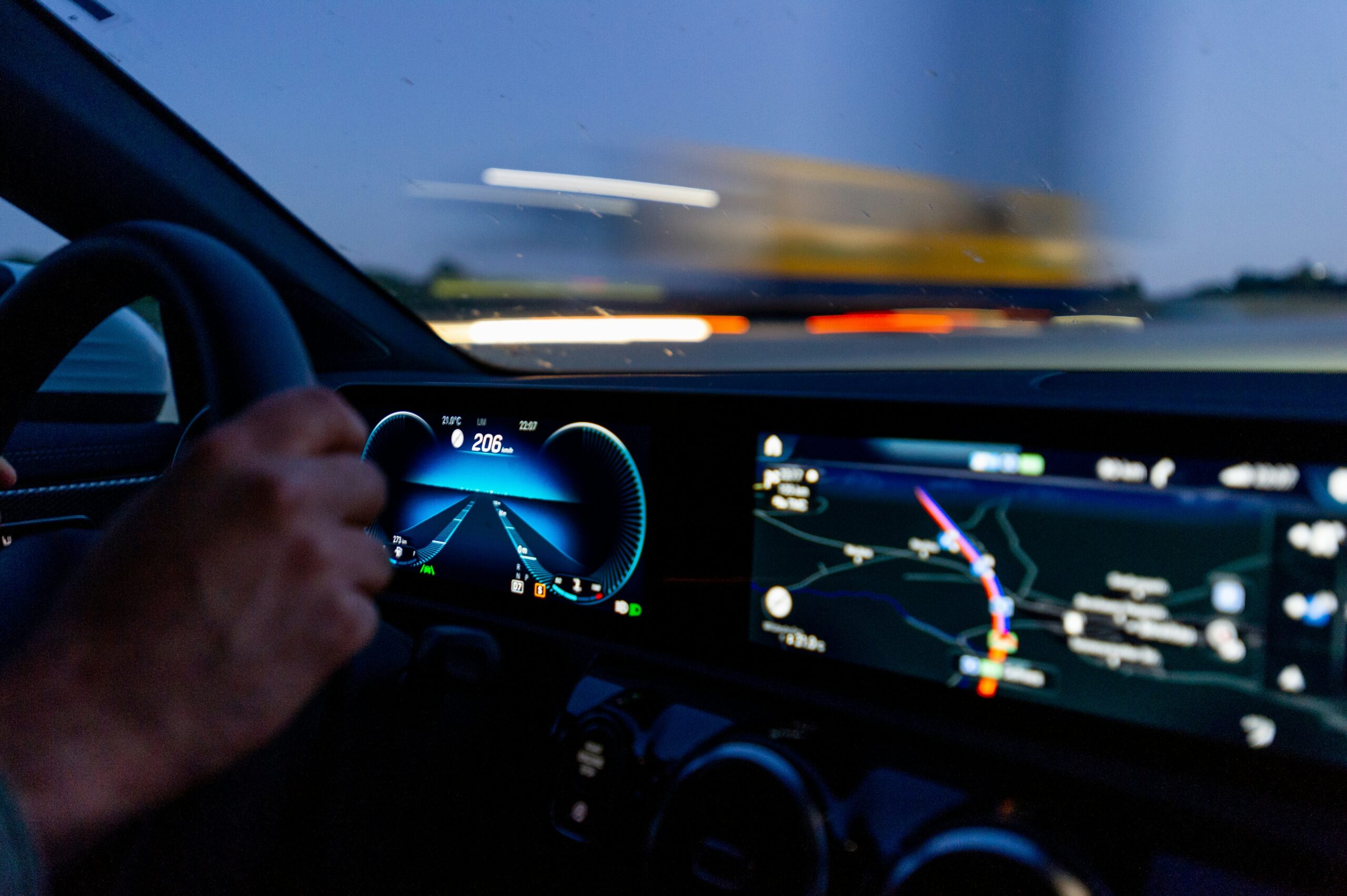
The definition of a luxury vehicle has shifted. While premium materials and powerful performance are still hallmarks of a high-end drive, the modern luxury experience is increasingly defined by smart technology. Today’s cars are more than just a way to get from point A to B; they are sophisticated, connected environments designed to make every journey safer, more convenient, and more enjoyable. From integrated infotainment systems to advanced driver-assistance features, smart vehicle tech is transforming the time we spend on the road.
The Evolution of In-Car Experience
Modern infotainment systems act as the central hub of the in-car experience, offering intuitive control over navigation, climate settings, and media. Voice commands allow drivers to adjust settings without taking their hands off the wheel, while personalised profiles can automatically configure seat positions, entertainment preferences, and climate controls. This technological shift is central to the future of smart mobility, where vehicles increasingly function as personal assistants, entertainment hubs, and safety-focused companions.
Connectivity on the Open Road
A truly modern vehicle is always connected. Built-in 4G LTE or even 5G modems turn your car into a mobile Wi-Fi hotspot, allowing passengers to stream movies, attend video calls, or catch up on work during long trips. This constant connection does more than just provide entertainment. It enables real-time traffic updates that can proactively reroute you around congestion, find available parking spots at your destination, and provide over-the-air software updates that improve your car’s features over time. These automotive connectivity trends are paving the way for vehicle-to-everything (V2X) communication, where cars will be able to “talk” to other vehicles and city infrastructure to prevent accidents and improve traffic flow.
Advanced Recording for Peace of Mind
Beyond entertainment and navigation, smart technology offers a significant boost to your security. Dash cameras have become an essential accessory for drivers who want a reliable record of their time on the road. These devices capture everything that happens in front of (and sometimes behind) your vehicle, providing invaluable evidence in the event of a collision or dispute. For those who value a clean, factory-installed look, a mirror dash cam offers a discreet way to combine rear-view visibility with continuous video recording. These devices replace your standard rearview mirror with a unit that functions as both a reflective surface and a high-definition video screen, keeping your dashboard uncluttered while providing constant recording.
Night Vision and Clarity
Driving at night or in poor weather presents unique challenges, but modern vehicle tech helps illuminate the way forward. Advanced night vision systems use infrared cameras to detect pedestrians, animals, and other obstacles far beyond the reach of your headlights. The thermal image is then displayed on your dashboard or heads-up display, giving you more time to react to potential hazards. Similarly, the latest recording devices feature sensors optimized for low-light conditions. They use wide dynamic range (WDR) technology to balance bright and dark areas, ensuring that license plates and street signs are clear and legible even when dealing with the glare of oncoming headlights.
Integrating Tech for Seamless Travel
The true power of smart vehicle technology is unlocked when all the individual components work together. Imagine setting a destination in your car’s navigation system. It not only finds the fastest route but also checks for EV charging stations if needed, alerts you to potential delays, and suggests a coffee shop along the way based on your preferences. Your music automatically pauses to deliver turn-by-turn directions, and your connected dash cam documents the entire scenic drive. This integration creates a smooth and stress-free experience, allowing you to simply relax and enjoy the journey. As technology continues to advance, our vehicles will become even more intuitive and integrated into our digital lives.