

India rewards curiosity in ways few destinations can. You may find yourself watching centuries-old rituals unfold beside a sacred river one morning. By evening, you’re dining at a rooftop restaurant with skyline views and contemporary cuisine. You’ll discover experiences that feel deeply personal, whether you’re traveling with a luxury itinerary or a backpack.
Here’s how to enjoy India’s cultural heritage while embracing the conveniences of modern travel. You’ll learn how to plan efficiently, explore responsibly, and appreciate both iconic landmarks and lesser-known treasures.
Where Ancient Heritage Meets Today’s Traveler
India’s appeal lies in its remarkable contrasts. Some 11 million international and two billion domestic visitors travel to India yearly. Tourism contributes roughly USD$ 122 billion to the country’s gross domestic product. These numbers highlight a destination where history, spirituality, cuisine, and innovation continue to attract visitors from every corner of the world.
Your journey may begin at the magnificent Taj Mahal, continue along the sacred Ganges River, and end in lively neighborhoods filled with cafés, galleries, and designer boutiques. Along the way, you’ll encounter stories shaped by Mughal emperors, regional kingdoms, and thriving modern communities that have preserved traditions while embracing change.
Traveling Smarter Without Missing the Moment
Staying connected while moving between airports, railway stations, remote villages, and busy cities can be challenging for travelers. Depending entirely on public Wi-Fi can make navigation, online bookings, and translation difficult, especially during long travel days.
Using an eSIM India solution before arrival helps you access maps, transportation apps, digital payments, and travel updates without searching for a local SIM card. It keeps your itinerary flexible, whether you’re reserving accommodations at the last minute or finding a highly rated restaurant after an afternoon of sightseeing.
Discover Cities That Wear Their History Proudly
Jaipur, famously known as the Pink City, offers one of the most rewarding introductions to Rajasthan. Wander through the elegant City Palace, admire the astronomical instruments at Jantar Mantar, and explore the impressive Amber Fort, where intricate architecture reflects generations of royal craftsmanship.
Nearby, you’ll hear locals refer to the striking Eiffel tower of Jaipur, a nickname inspired by one of the city’s modern observation landmarks that adds another perspective to its evolving skyline. If your schedule allows, a sunrise hot air balloon ride reveals rolling hills, ancient forts, and colorful villages stretching far beyond the city limits.
History also appears in unexpected corners. The beautifully restored Pearl Palace welcomes travelers seeking heritage-inspired hospitality, while the hilltop monkey temple offers peaceful views after the morning crowds have dispersed. As evening arrives, the city’s night bazaars come alive with textiles, jewelry, spices, and locally crafted souvenirs.
Following History Through Books and Places
India becomes even richer when you connect what you see with what you read. Fans of historical fiction enjoy tracing real locations connected to unforgettable stories, allowing monuments and landscapes to gain new meaning.
You might explore places associated with British-ruled India, reflect on the bravery of Rani Lakshmibai, or learn how power shifted during Mughal India. Reading novels such as Sea of Poppies before your trip provides additional context for the country’s complex social and political history.
Architecture tells equally compelling stories. The intricate carvings at the Kama Sutra Temples demonstrate extraordinary artistic achievement while reflecting changing cultural values over many centuries. Visiting these remarkable sites encourages thoughtful appreciation rather than quick sightseeing.
Venture Beyond the Major Tourist Circuit
Once you’ve explored India’s famous cities, consider leaving the busiest routes behind. Smaller towns often reward travelers with quieter experiences, genuine conversations, and landscapes untouched by large crowds.
You could take a road trip through Rajasthan’s countryside, stopping at traditional villages, wildlife reserves, and family-run guesthouses. Flexible travel creates opportunities to discover regional festivals, sample seasonal dishes, and support locally owned businesses that benefit directly from tourism.
Nature lovers will also appreciate India’s botanical diversity. Researchers continue studying Indian medicinal plants, with ongoing pharmacological validation work helping scientists understand traditional healing practices through modern research. These efforts demonstrate how ancient knowledge can contribute to contemporary healthcare discussions.
You’ll occasionally notice broader development initiatives influencing everyday life as well. Public health campaigns, including hepatitis B vaccination programs, have strengthened healthcare access in many communities, while industries focused on sustainable apparel sourcing create employment opportunities that encourage responsible manufacturing. Together with changing socio-economic characteristics, these developments reflect a nation continually balancing tradition with modernization.
Taste India One Bite at a Time
Food often becomes the memory travelers cherish most. Sampling regional street food introduces you to recipes that families have perfected for generations, each reflecting local ingredients and cultural influences.
If you enjoy guided experiences, a Rickshaw food tour lets you explore neighborhoods while learning the stories behind favorite dishes. Between tastings, you’ll discover bakeries, spice markets, and hidden eateries that many visitors would otherwise overlook.
Luxury travelers can easily elevate these culinary adventures. A heritage hotel dinner paired with Moët Champagne creates an entirely different atmosphere without distancing you from authentic regional flavors. The contrast between casual market snacks and refined dining captures India’s remarkable culinary diversity.
Looking Beyond the Famous Landmarks
Slowing your pace reveals another side of the country. Explore workshops producing beautiful handmade carpets, observe skilled artisans practicing centuries-old crafts, and speak with local families about traditions that continue to shape daily life.
You’ll also encounter stories that challenge old stereotypes. Performances featuring snake charmers have become increasingly rare due to wildlife protection efforts, and many have since switched livelihoods. Likewise, experiences involving elephant owners increasingly emphasize animal welfare and ethical care rather than entertainment.
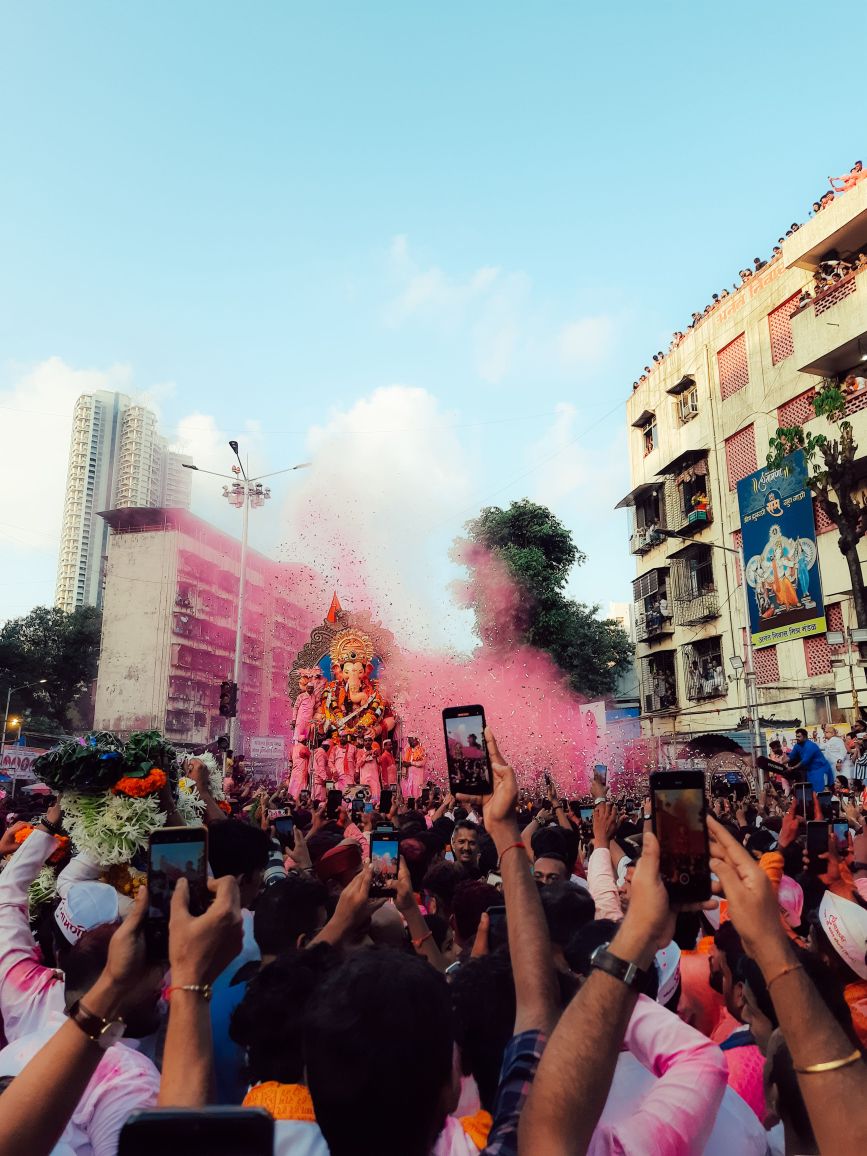
Religious diversity remains one of India’s defining strengths. Attend the evening Ganga Aarti ceremony to witness an unforgettable spiritual tradition, then visit a welcoming Sikh temple, where community kitchens serve free meals to visitors regardless of background or belief.
Making Every Journey More Meaningful
India rewards travelers who remain curious, respectful, and flexible. Iconic monuments may inspire your itinerary, but unexpected conversations, neighborhood markets, and quiet temples often become the moments you’ll remember longest.
You’ll find that India offers far more than a checklist of attractions. You also get to experience the people and their culture by watching sunrise over ancient architecture, sharing a meal with locals, or discovering traditions that have survived for centuries. It’s a destination where the past enriches the present, making every journey feel both timeless and refreshingly new.