
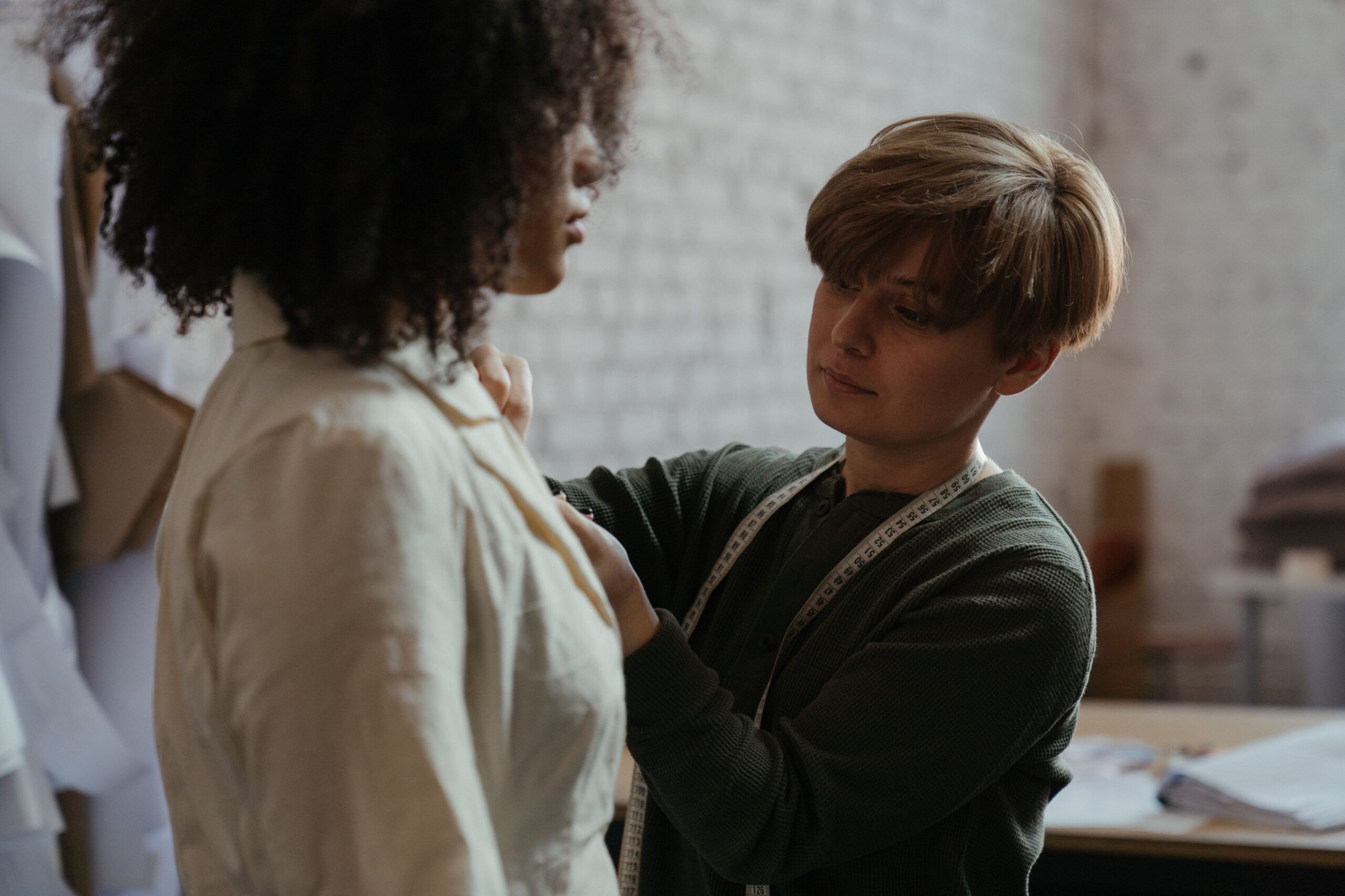
Fashion has always been about more than following trends. For many women, finding clothing that fits properly can be one of the most frustrating parts of shopping. While conversations around body diversity and inclusivity have become more common, many fit-related challenges remain surprisingly widespread.
The positive change is that women are speaking more openly about these experiences. Social media, online communities, and greater representation within the fashion industry have encouraged honest discussions about the realities of fit, comfort, and confidence.
Here are some of the fashion fit challenges women are talking about more openly than ever before.
Challenge 1: Finding Tops That Fit Both the Bust and Waist
One of the most common frustrations involves garments that fit one area of the body but not another.
Many women find that shirts, dresses, and blouses either fit comfortably around the bust but feel loose around the waist, or fit the waist while feeling restrictive across the chest. This often leads to alterations, compromises, or difficulty finding styles that create the desired silhouette.
As more brands recognize the diversity of body shapes, consumers are increasingly demanding clothing designed with proportion in mind rather than relying on standardized sizing alone.
Challenge 2: Struggling to Find the Right Bra for a Smaller Bust
Discussions around bra sizing have traditionally focused on larger cup sizes, but many women with smaller busts have highlighted their own challenges.
Finding supportive, flattering options without excessive padding can be difficult. Many women want lingerie that enhances comfort and confidence while maintaining a natural shape. This has led to growing interest in specialized options such as bras for small busts, which are designed specifically to address these needs.
The increasing visibility of these conversations has helped broaden the industry’s understanding of fit beyond a limited range of body types.
Challenge 3: Inconsistent Sizing Between Brands
Few shopping experiences are more frustrating than fitting comfortably into one size at one retailer and needing a completely different size elsewhere.
Sizing inconsistency remains one of the biggest complaints among consumers. A size that fits perfectly in one brand may feel dramatically different in another, making online shopping particularly challenging.
Women are increasingly vocal about the need for clearer sizing information, better measurements, and more transparency from retailers.
Challenge 4: Finding Trousers That Fit Multiple Proportions
Many women struggle to find trousers that fit properly across the waist, hips, thighs, and length simultaneously.
A pair of trousers may fit comfortably around the waist but feel tight through the hips. Alternatively, they may fit the hips perfectly but require alterations elsewhere. For taller or shorter women, length can introduce an additional challenge.
These frustrations have encouraged greater demand for extended sizing ranges and multiple fit options within the same style.
Challenge 5: Balancing Comfort and Structure
Many women are seeking clothing that feels comfortable without appearing overly casual.
The rise of flexible fabrics and relaxed silhouettes has improved comfort, but some shoppers find that highly relaxed garments can lack the structure they want. On the other hand, heavily structured clothing may feel restrictive during everyday wear.
Finding pieces that successfully combine comfort, support, and flattering design remains an ongoing challenge for many consumers.
Challenge 6: Finding a Consistent Fit Online
Online shopping offers convenience, but it has also highlighted fit challenges in new ways.
Without the ability to try on garments before purchasing, many women rely on product descriptions, customer reviews, and sizing guides. Even then, uncertainty remains around how items will fit in real life.
This challenge has driven demand for more detailed product photography, customer-generated content, virtual fitting tools, and more accurate size recommendations.