
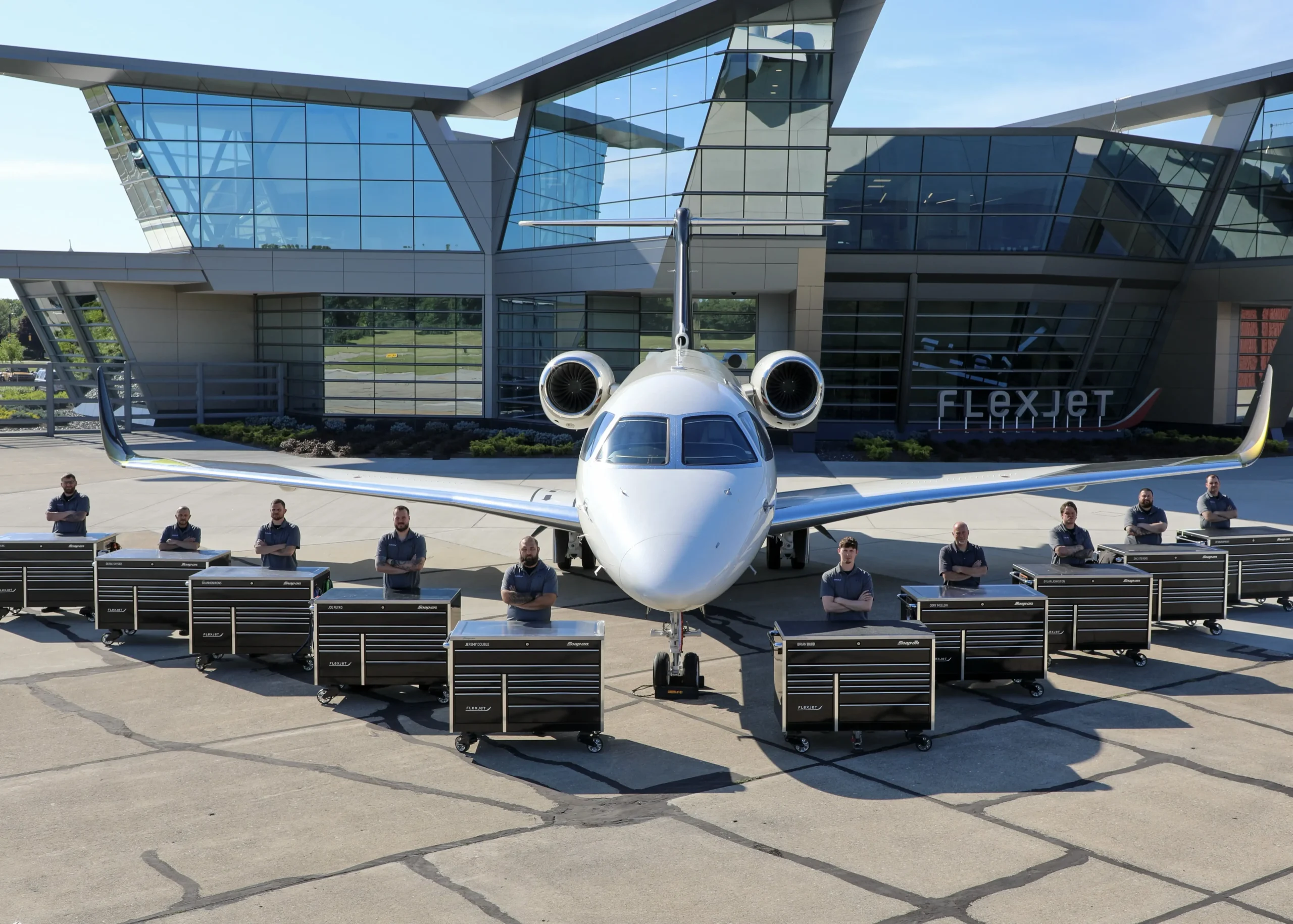
Flexjet competes directly with NetJets by offering private aviation through fractional ownership, leasing, and jet card programs, with a strong emphasis on personalized service, a younger fleet, and flexible usage structures that appeal to frequent business and luxury travelers alike. Flexjet’s positioning highlights tailored experiences like its premium crew-and-cabin model while maintaining guaranteed access frameworks comparable to major incumbents.
Overview
Flexjet is a leading private aviation provider that mirrors NetJets’ core models—fractional ownership and leases—while adding distinctive service layers oriented around customization and modern cabin experiences. Its programs are built to deliver predictable access without full aircraft ownership, targeting travelers who want consistency, premium service, and flexibility over multiple years. The brand’s competitive edge centers on a curated, relatively young fleet and service features designed to deliver a bespoke feel across trip types and aircraft sizes.
Programs
- Fractional ownership: Clients purchase an equity share for a set annual number of hours (for example, 50–200+ hours), paying an upfront share cost, monthly management fees, and an occupied hourly rate. This structure suits those with steady annual usage and multi-year planning horizons.
- Leasing: For those who prefer to avoid equity, lease programs provide similar availability and aircraft access without an upfront purchase, generally with term commitments and hourly/management charges.
- Jet cards: Prepaid hour blocks (commonly starting near 25 hours) provide lower-commitment entry with fixed rates, guaranteed access parameters, and defined booking/peak rules—useful for occasional flyers who still want service consistency.
Fleet and cabins
Flexjet fields a broad, multi-category fleet spanning light, midsize, super-midsize, and large/long-range jets, often highlighting newer airframes and upgraded interiors. Typical types include Embraer Phenom and Legacy families, Bombardier Challenger and Global series, and Gulfstream long-range models. This breadth allows right-sizing per mission—regional hops on light jets for cost efficiency, or transcontinental and transoceanic legs on super-midsize and ultra-long-range cabins.
Service model
Flexjet is known for a high-touch, personalized approach that extends from booking to onboard hospitality. Program features often include tailored catering, attention to passenger preferences, and consistent crew pairings on select aircraft structures. The company emphasizes comfort, technology-forward cabins, and premium details to differentiate the onboard experience in a crowded market.
Availability and flexibility
As with top-tier competitors, Flexjet supports guaranteed access windows and peak-day rules, with options to increase calendar access or reduce blackout impact through program selection and higher commitment levels. The provider is frequently cited for flexibility in aircraft selection and upgrade paths within contracts, allowing owners and cardholders to adapt aircraft choice to each itinerary and season.
Pricing considerations
- Ownership and lease economics: Fractional ownership involves an upfront share cost, monthly fixed fees, and an occupied hourly rate; leases remove the equity piece but maintain management and hourly components. These models can be cost-effective for predictable flyers, particularly at higher annual hour bands.
- Jet card pricing: Fixed, all-in hourly rates vary by aircraft category and access-day structure, with premiums for wider peak access and larger-cabin types. Cards trade long-term economics for simplicity and commitment-light entry.
- Peak and access days: Pricing and value hinge on how often travel occurs during peak periods; selecting a program with broader access days mitigates peak surcharges and availability constraints but raises total cost.
Who should choose Flexjet
- Frequent travelers who value a newer-feeling fleet and a higher degree of personalization may gravitate to Flexjet’s service model and cabin experience.
- Flyers wanting flexible aircraft selection and upgrade options within an agreement may appreciate Flexjet’s contract structures.
- Those with 50–200+ annual hours often find fractional or lease economics compelling over multi-year horizons, while lower-hour users can start with jet cards to standardize costs and booking.
How it compares to NetJets
- Scale: NetJets typically operates a larger global fleet, which can enhance availability in certain markets; Flexjet counters with a tightly managed, modern fleet and a premium service ethos.
- Personalization: Flexjet focuses on bespoke cabin and crew experiences, appealing to travelers who prioritize tailored service; NetJets emphasizes consistency and breadth of network.
- Program design: Both offer fractional, lease, and card options with guaranteed access; Flexjet is often viewed as more flexible in some upgrade and aircraft-selection pathways, while NetJets leans on scale-driven predictability.
- Cost structure: At similar commitment levels and aircraft classes, pricing tends to be broadly comparable; the better fit usually turns on peak-day needs, aircraft mix, and preference for personalization versus scale.
Bottom line
Flexjet stands out as a premium competitor to NetJets by pairing fractional ownership, leasing, and jet cards with a younger fleet and a strongly personalized service model. For travelers who prioritize tailored experiences, flexible aircraft choices, and modern cabins, Flexjet offers a compelling path; for those who need maximum network scale and extensive calendar access, direct comparisons of peak rules, access-day tiers, and aircraft availability will clarify which provider aligns best with mission profiles and budget.
For more information, please visit Flexjets