
Florida’s warm climate, ocean breezes, and stunning coastlines have inspired a unique architectural style that captures the essence of tropical living. Whether you’re planning to build a new home or renovate your existing property, understanding Florida style home designs can transform your space into a beachfront paradise. This guide explores everything you need to know about creating a home that embraces coastal living while maintaining timeless elegance and practicality.
What Are Florida Style Home Designs?
Florida style home designs represent a distinctive architectural approach that blends colonial influences, Mediterranean elements, and Caribbean character into one cohesive aesthetic. These homes are specifically engineered to handle Florida’s subtropical climate while maintaining visual appeal and comfort. The architecture emphasizes open floor plans, high ceilings, and plenty of windows to encourage natural ventilation and light penetration.
Florida style homes typically feature elements like shutters that protect against intense sun and storms, wide porches that extend living spaces outdoors, and materials that resist moisture and salt air. The color palette usually includes soft pastels, whites, creams, and earth tones that reflect Florida’s natural landscape. This architectural style has become increasingly popular not just in Florida, but across the entire United States, as homeowners seek ways to create welcoming, climate-responsive living spaces.
One key aspect of Florida style home designs is their adaptability. Whether you’re building on beachfront property, in an inland community, or near a freshwater lake, these designs can be modified to suit your specific location and lifestyle needs. The flexibility of the style makes it an excellent choice for new construction as well as renovation projects.
Key Architectural Features of Florida Homes
Florida style homes incorporate several distinctive architectural elements that set them apart from other regional styles. Understanding these features helps you appreciate the thoughtful design behind these beautiful structures. Each element serves a practical purpose while contributing to the overall aesthetic appeal of the home.
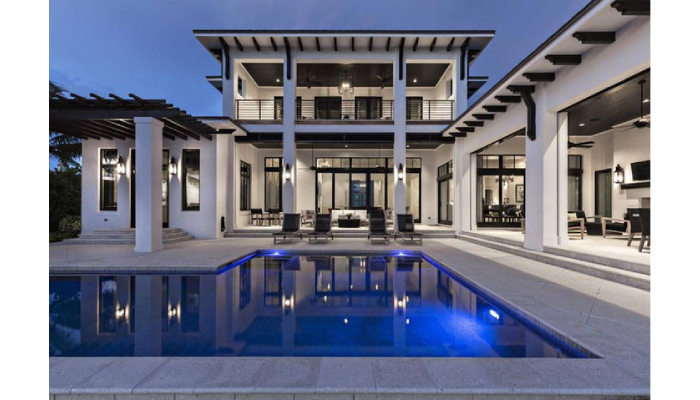
The most recognizable feature is the wraparound porch or veranda, which provides shade and allows residents to enjoy outdoor living throughout the year. Another distinctive element is the use of louvered shutters and windows that can be opened to maximize ventilation while controlling sunlight. Many Florida homes also feature barrel tile roofs, though metal roofing has become increasingly common due to hurricane resistance requirements.
Interior spaces typically showcase open floor plans that allow air circulation and create a sense of spaciousness. High vaulted ceilings, often 10 to 12 feet or more, enhance this feeling while helping hot air rise away from living spaces. Multiple glass doors lead to lanais, screened porches, or patios where residents can enjoy the Florida climate year-round.
Popular Roofing Materials
Roofing choices significantly impact both the functionality and appearance of Florida style homes. Barrel tile and clay tiles offer authentic Mediterranean appeal, while metal roofing provides superior wind resistance during hurricane season. Modern homeowners often choose composite materials that replicate the appearance of traditional tiles while offering enhanced durability. The color choice for roofing materials typically ranges from terracotta and rust tones to lighter cream and gray shades that reflect heat and keep homes cooler.
Window and Door Selections
Windows and doors in Florida homes require special attention due to the intense sun and hurricane considerations. Impact-resistant glass has become standard in many new Florida homes, offering protection while allowing abundant natural light. French doors and sliding glass doors connect interior spaces to outdoor living areas seamlessly. Many homeowners install interior window treatments that allow light control while maintaining the home’s architectural lines.
Exterior Design Elements and Materials
The exterior of a Florida style home tells a story of careful material selection and climate-conscious design. Every element from siding to landscaping serves both aesthetic and practical purposes. The choice of exterior materials significantly influences the home’s ability to withstand Florida’s environmental challenges while maintaining its beauty.
Concrete block, stucco, and stone are popular choices for exterior walls because they resist moisture, salt spray, and insect damage. Stucco in particular allows for the smooth, curved walls often seen in Mediterranean-inspired Florida homes. The finish can be smooth or textured, and it’s typically painted in warm, inviting colors. Aluminum and vinyl materials also perform well in Florida’s climate and require less maintenance than wood siding.
Landscaping around Florida homes typically emphasizes native plants that thrive in the hot, humid climate while requiring minimal irrigation. Tropical and subtropical plants add authenticity to the design while reducing water consumption. Decorative elements like fountain features, tropical gardens, and stone pathways enhance the overall outdoor aesthetic.
Stucco Finishes and Colors
Stucco provides an excellent exterior finish for Florida homes, offering durability and aesthetic appeal in equal measure. The material can be applied in various textures, from smooth and modern to heavily textured and rustic. Color selection ranges from bright whites and soft creams to warm peachy tones and earthy browns. Stucco finishes also help reflect solar heat, keeping homes cooler and reducing air conditioning costs.
Landscaping and Outdoor Design
Outdoor spaces are as important as interior areas in Florida style homes. Native plants like saw palmettos, Florida mahogany, and cypress create authentic landscaping while supporting local ecosystems. Grouping plants by water requirements helps maintain sustainable gardens. Adding elements like tropical water features or decorative stone paths enhances visual interest while creating functional outdoor living spaces that extend the home’s living area.
Interior Design and Layout Considerations
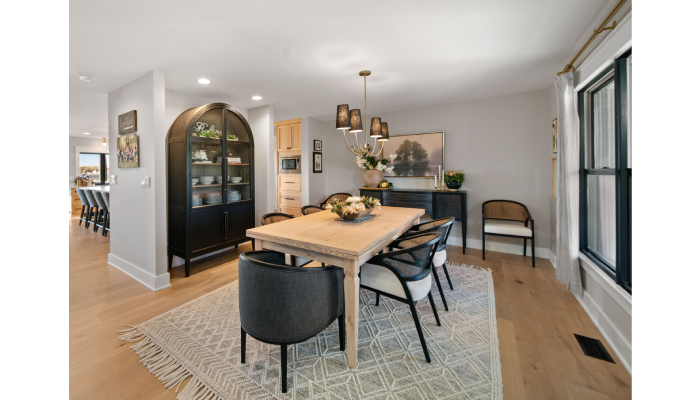
Inside your Florida style home, the design emphasizes comfort, functionality, and visual flow. Open floor plans connect the kitchen, dining, and living areas, making entertaining easier while maintaining the sense of indoor-outdoor living. This layout also improves air circulation and makes spaces feel larger than they actually are. Light-filled interiors with plenty of glass elements create a bright, airy atmosphere that captures the essence of Florida living.
Color schemes in Florida homes typically reflect the natural environment. Think sandy beach tones, ocean blues, and tropical greens combined with neutral backgrounds. Materials like ceramic tile, natural stone, and light wood create surfaces that are both beautiful and practical for Florida’s humid climate. Ceiling fans with quality motors help circulate air, reducing reliance on air conditioning while adding a casual, relaxed aesthetic.
Built-in storage solutions maximize space efficiency in Florida homes, from kitchen pantries to bedroom closets. Shelving in beach-inspired tones provides both function and decoration. Many homeowners incorporate architectural details like arched doorways, exposed beams, or crown molding that add character while maintaining the home’s overall design coherence.
Kitchen Design for Florida Homes
Kitchens in Florida style homes balance style with functionality. Large islands provide counter space and casual dining areas while encouraging family interaction. Granite or marble countertops offer durability and easy maintenance. Open shelving displays decorative dishware while keeping everyday items accessible. Window placement above the sink or island allows cooks to enjoy views while working, bringing nature into the kitchen experience.
Bathroom Features and Finishes
Bathrooms in Florida homes incorporate spa-like elements that create relaxing retreat spaces. Large showers with rainfall showerheads, soaking tubs with views, and natural stone finishes create luxury without feeling out of place. Proper ventilation systems manage humidity, protecting the home’s structural integrity. Tile flooring in beach-inspired colors and patterns adds visual interest while providing practical slip-resistant surfaces.
Climate Control and Energy Efficiency
Designing a Florida home that’s energy-efficient requires careful attention to ventilation, insulation, and window placement. High-performance HVAC systems keep homes comfortable during hot, humid summers and occasional cold snaps. Proper insulation in walls and attics reduces cooling costs while maintaining indoor comfort. Smart window placement and exterior shading elements like deep overhangs and shutters minimize solar heat gain, reducing the strain on cooling systems.
Moisture management is crucial in Florida’s humid climate. Proper grading directs water away from foundations, while vapor barriers in crawl spaces prevent moisture accumulation. Adequate ventilation in attics and under-floor spaces removes excess humidity before it can cause damage. Installing dehumidifiers in strategic locations helps maintain healthy indoor humidity levels, typically between 30 and 50 percent.
Ceiling fans efficiently move air throughout the home, and choosing ENERGY STAR-rated appliances reduces electrical consumption. Some homeowners install solar panels on their roofs, taking advantage of Florida’s abundant sunshine to generate clean energy. These efficiency measures not only reduce utility bills but also make homes more comfortable during the brutal summer months.
Hurricane-Resistant Design Features
Florida’s hurricane season requires homes to incorporate specific design features for safety and structural integrity. Impact-resistant windows and doors protect against flying debris while maintaining visual clarity. Reinforced roof-to-wall connections prevent roofs from lifting during high winds. Exterior walls anchored securely to foundations resist extreme wind pressure. These protective features have become standard building codes in Florida and are essential considerations in Florida style home designs.
Solar Considerations
Florida’s abundant sunshine offers both challenges and opportunities for home design. Strategic shading from deep overhangs, pergolas, and native trees reduces heat gain on south and west-facing walls. Positioning windows to minimize direct afternoon sun exposure helps maintain comfortable interior temperatures. Simultaneously, careful window placement on north and east-facing walls captures beneficial light and passive solar heat during winter months, optimizing both comfort and energy use year-round.
Budget Planning for Florida Style Homes
Building or renovating a Florida style home requires understanding the costs associated with climate-specific materials and construction techniques. Premium materials like impact-resistant windows and properly engineered roofing systems represent significant investments but provide long-term value through durability and insurance savings. Quality stucco application, native landscaping design, and professional HVAC installation all contribute to upfront costs but ensure longevity and performance.
Budget planning should account for regular maintenance requirements specific to Florida’s climate. Salt spray corrodes certain metals, humidity encourages mold growth, and tropical storms can cause unexpected damage. Allocating funds for periodic pressure washing, HVAC maintenance, and landscape upkeep ensures your Florida style home maintains its beauty and functionality for decades. Choosing durable materials upfront often results in lower long-term maintenance costs compared to cheaper alternatives that degrade quickly in Florida’s harsh environment.
Insurance considerations also affect the true cost of Florida homes. Homes built to current hurricane codes and made with impact-resistant materials qualify for insurance discounts. Investing in proper construction and materials not only protects your investment but also makes financial sense through reduced insurance premiums. Work with local contractors familiar with Florida building codes to ensure your project meets all requirements and maximizes these potential savings.
Cost-Effective Design Strategies
Maximizing your budget doesn’t mean sacrificing style or quality. Focusing renovation efforts on high-impact areas like kitchens and master bathrooms provides the greatest return on investment. Using locally sourced materials reduces shipping costs and supports the local economy. Choosing plants that thrive naturally in Florida’s climate minimizes ongoing landscape maintenance expenses. Prioritizing energy efficiency upgrades reduces long-term utility bills, offsetting initial investment costs over time.
Seasonal Updates and Improvements
Planning improvements around seasonal opportunities helps manage costs. Post-hurricane season sales on materials and contractor availability offer opportunities for cost-effective updates. DIY projects like painting, landscaping refinement, or interior detail work allow you to invest sweat equity while maintaining quality. Spreading major renovations across multiple years makes large projects more financially manageable.
Florida style home designs offer homeowners a proven approach to creating beautiful, functional spaces that embrace coastal living while respecting the region’s unique climate challenges. By understanding key architectural elements, selecting appropriate materials, and incorporating efficient systems, you can create a home that captures the essence of Florida living for decades to come. Whether you’re starting with new construction or updating an existing home, applying these design principles transforms your space into a paradise that reflects your personal style while maintaining timeless appeal and practical functionality.
#FloridaHomeDesigns #CoastalLiving