
Florida Style Home Designs: What Makes Them Special?
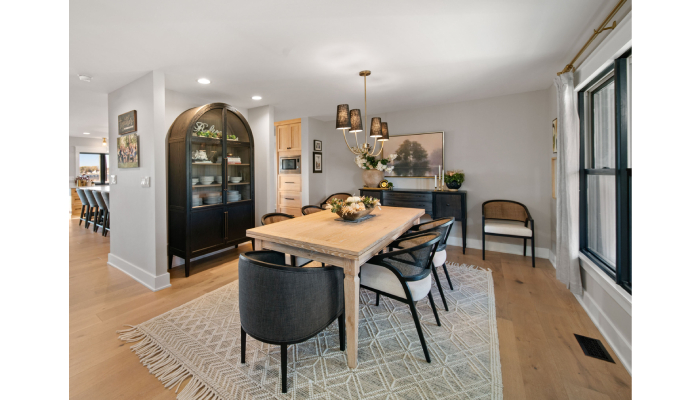
When you think of Florida style home designs, you envision bright, airy spaces filled with natural light, coastal charm, and a connection to the outdoors. Florida style homes have become increasingly popular across the United States because they capture a unique blend of elegance, functionality, and relaxation. This distinctive architectural approach emerged from Florida’s unique climate, culture, and geographical location. The style celebrates open floor plans, natural materials, and an emphasis on bringing the beauty of nature indoors. Whether you’re planning a coastal renovation or dreaming of transforming your home into a tropical oasis, understanding Florida home design principles can help you create a space that feels both luxurious and welcoming. The aesthetic combines practical solutions for hot, humid weather with timeless design elements that have remained popular for decades. From Miami’s Art Deco influences to the Keys’ simple beach cottage style, Florida offers diverse inspirations for homeowners.
The Essence of Tropical Living
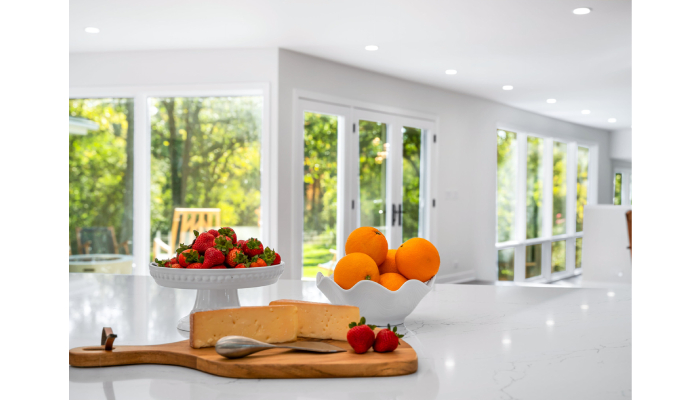
Tropical living forms the heart of Florida design, emphasizing connection to outdoor spaces and natural elements. Screened porches, covered patios, and pergolas are architectural staples that extend living areas while providing protection from intense sun and sudden storms. These outdoor living spaces become like additional rooms, perfect for entertaining or enjoying morning coffee with a view. Large windows and glass doors flood interiors with natural light, reducing the need for artificial lighting during daytime hours. The connection between inside and outside spaces creates a sense of freedom and openness that makes homes feel more spacious. Ceiling fans are essential in Florida homes, both for their functional cooling properties and as stylish design elements. Venetian blinds or motorized shades help control light and heat while maintaining elegant aesthetics. The tropical theme extends to landscaping choices, with native plants like palmettos, sea oats, and hibiscus creating natural beauty while reducing maintenance.
Color Palettes and Materials
Florida style embraces colors that reflect the natural environment—soft whites, sandy beiges, seafoam greens, and ocean blues dominate interiors. These light, neutral colors keep spaces feeling cool and airy, essential in Florida’s warm climate. Accent colors often include coral, turquoise, or soft yellows inspired by tropical flowers and sunsets. Natural materials like wood, rattan, wicker, and stone create textures that evoke the beach and natural landscape. Wooden ceiling beams and exposed timber add warmth and authenticity to spaces. Tile floors, particularly in light colors or featuring tropical patterns, are practical for Florida’s climate, providing easy cleaning while adding visual interest. Limestone and coral stone, quarried from Florida itself, add local character to homes. Stucco exteriors in white or cream have become iconic, reflecting Spanish colonial influences and providing excellent insulation against heat.
Key Architectural Features of Florida Style Homes
Understanding the architectural elements that define Florida style homes helps you appreciate the thoughtful design that goes into creating these beautiful spaces. Every feature serves both aesthetic and practical purposes, reflecting generations of wisdom about living comfortably in a tropical climate. These characteristics have proven themselves over decades, standing the test of time while adapting to modern needs. From rooflines to ventilation systems, every aspect works together harmoniously. The architecture balances beauty with functionality, ensuring homes are not only visually stunning but also practical and energy-efficient. Many of these features have become standard in contemporary home design, extending far beyond Florida’s borders as homeowners worldwide embrace the comfortable, elegant lifestyle they represent.
Roof Design and Ventilation
High-pitched metal or clay tile roofs are standard in Florida architecture, designed to shed heavy rainfall and withstand hurricane-force winds. Metal roofing reflects heat effectively, keeping interiors cooler and reducing air conditioning costs. Clay tiles add Mediterranean charm while providing excellent durability in Florida’s climate. Proper attic ventilation prevents heat buildup, essential for maintaining comfortable interior temperatures. Soffit vents allow air circulation beneath the roof, while ridge vents or cupolas release hot air. Roof overhangs provide shade for walls and windows, reducing solar gain while creating sheltered outdoor areas. Gable ends often feature louvered vents that allow air flow while maintaining privacy. These ventilation strategies create natural cooling effects, reducing reliance on mechanical air conditioning systems.
Window and Door Treatments
Large glass doors and transom windows dominate Florida homes, maximizing views and natural light while improving indoor-outdoor connection. Hurricane-resistant glass protects against storms while maintaining aesthetic appeal. Tall windows with minimal trim showcase ocean or garden views without obstruction. Accordion shutters or rolling storm panels provide protection during hurricane season while remaining hidden when not needed. French doors, often sliding rather than swinging models, save space in compact floor plans. Jalousie windows, featuring adjustable glass louvers, allow ventilation while blocking direct sunlight. Arched windows and doorways add architectural interest while improving air circulation patterns. These features balance weather protection with the desire to maintain views and natural light that make Florida living so desirable.
Interior Design Principles for Florida Homes
Creating an authentic Florida home extends beyond exterior architecture to embrace interior design principles that maximize comfort and elegance. The interior spaces should feel like natural extensions of outdoor living, maintaining the light, airy feeling throughout. Furniture selections, décor choices, and layout decisions all contribute to achieving that distinctive Florida aesthetic. The approach emphasizes quality over quantity, with carefully chosen pieces creating impact without clutter. Seasonal updates keep spaces fresh while maintaining core design elements. Lighting design becomes crucial, with fixtures selected to complement natural light rather than compete with it. Storage solutions remain hidden, maintaining the clean, uncluttered look essential to the style.
Furniture and Decorative Elements
Florida interiors typically feature casual, comfortable furniture that prioritizes relaxation and entertainment. Oversized sectionals in light fabrics provide comfortable seating for gathering with family and friends. Wicker, rattan, and woven furniture bring texture while maintaining the tropical aesthetic. Low-profile designs and minimal ornamentation prevent spaces from feeling heavy or formal. Throws and pillows in seasonal colors add warmth without permanent commitment. Coastal accents like shells, coral, and driftwood appear as natural décor elements rather than artificial tourist items. Artwork featuring beach scenes, tropical plants, or local artists connects spaces to Florida’s natural beauty. Mirrors strategically placed reflect light and create a sense of expanded space. Plant-filled corners and hanging gardens bring living greenery indoors, improving air quality while reinforcing the tropical theme.
Lighting Solutions
Strategic lighting design creates ambiance while working with natural light rather than against it. Recessed lighting provides ambient illumination without visible fixtures that interrupt sight lines. Pendant lights over kitchen islands or dining tables add decorative elements while providing focused task lighting. Wall sconces flanking mirrors in bathrooms provide practical illumination and elegant design details. Outdoor lighting extends living areas into evening hours while adding architectural interest. Dimmer switches allow flexibility, creating different moods for different occasions and times of day. Natural fiber shades soften artificial light, creating warmth. Skylights in interior spaces like bathrooms bring natural light to areas without windows, reducing dependence on daytime artificial lighting.
Modern Updates to Traditional Florida Design
While respecting classic Florida style elements, contemporary homes incorporate modern technologies and comfort systems. Smart home features control lighting, temperature, and security from mobile devices. Energy-efficient HVAC systems maintain comfort while reducing environmental impact and utility costs. Contemporary fixtures and finishes integrate seamlessly with traditional design elements. Open floor plans extend the sense of space and light that define the style. Modern kitchens balance functionality with aesthetic appeal, often featuring large islands and abundant counter space. Spa-like bathrooms incorporate elements like rainfall showerheads and heated towel racks. These updates ensure Florida homes remain comfortable and functional for today’s lifestyles while preserving their distinctive character and charm.
Sustainable Building Practices
Modern Florida homes increasingly incorporate sustainable building practices that align with environmental consciousness. Solar panels integrated into roof designs provide renewable energy without compromising aesthetics. Rainwater collection systems reduce municipal water dependence for landscape irrigation. Native plant landscaping reduces water usage while supporting local ecosystems. High-performance insulation and weatherstripping minimize energy loss in air-conditioned spaces. Permeable paving allows rainwater infiltration, reducing flooding and supporting groundwater recharge. Sustainable materials from responsibly managed sources replace traditional options. Green building certification programs like LEED recognize homes meeting rigorous environmental standards. These practices prove that environmental responsibility and luxury living aren’t mutually exclusive, attracting environmentally conscious homeowners to Florida-inspired designs.
Florida Style Home Designs for Different Spaces
Florida design principles adapt beautifully to various home sizes and configurations, from cozy cottages to sprawling estates. Whether you have a modest beach bungalow or a grand waterfront residence, these design principles create cohesive, beautiful spaces. The flexibility of the style allows customization while maintaining its distinctive character. Small spaces benefit from the light colors and open floor plans that create a sense of spaciousness. Large homes can incorporate multiple living areas without feeling overwhelming when designed thoughtfully. [Internal link: “Explore more about home architecture on our target page – https://www.aklarch.com/florida-rebuild”] apartment-style living also embraces Florida principles despite spatial constraints. Urban condos adopt elements like bright colors, natural materials, and outdoor space maximization. Vacation properties draw visitors with their warm, welcoming aesthetic. Primary residences provide comfortable daily living spaces. Commercial properties like boutique hotels incorporate Florida style to create memorable guest experiences.
Creating Your Perfect Florida-Inspired Home
Transforming your space into a Florida-inspired haven begins with understanding your personal style preferences and practical needs. Start by identifying which Florida design elements resonate most strongly with you—perhaps it’s the coastal color palette, the emphasis on outdoor living, or the tropical vegetation. Consider your climate zone and how Florida design principles can adapt to your location’s specific weather patterns and seasons. Work with architects or designers familiar with this style to ensure authenticity while meeting local building codes. Prioritize the elements that matter most—major architectural changes differ from décor updates in timeline and investment. Gradually incorporate pieces that speak to you, allowing your space to evolve naturally rather than rushing into an overwhelming redesign. Your Florida-inspired home should reflect your personality while providing comfortable, functional daily living. The beauty of this design approach is that it welcomes personal expression while maintaining its distinctive, recognizable character.
#FloridaStyle #CoastalDesign #HomeDesign