
Lark Sheets make data accessible and collaborative
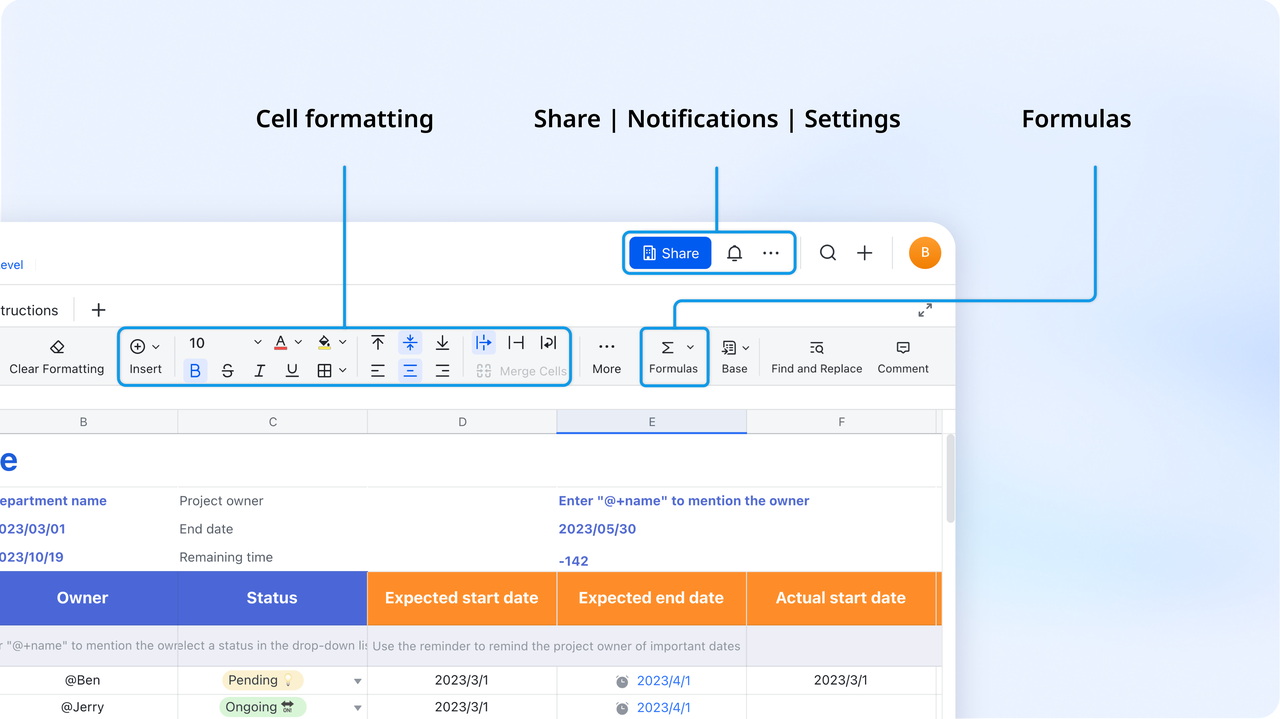
A group can only use data if they can view it and communicate about it. Lark Sheets lets teams work together in one place where several people may edit, do math, and filter at the same time. A single reliable dataset might assist finance keep track of money, marketing keep track of how many people are interested in a campaign, and operations anticipate how much space they will need. It’s easy to get insights with complicated tools like filters and pivot tables. Edit history makes sure that everyone is responsible. Lark Sheets is not the same as the spreadsheets that are saved on computers. It works well with other services, such as Docs and Base, so insights are never alone. Using sheets is the initial step in figuring out data.
Lark Base structures insights into actionable workflows
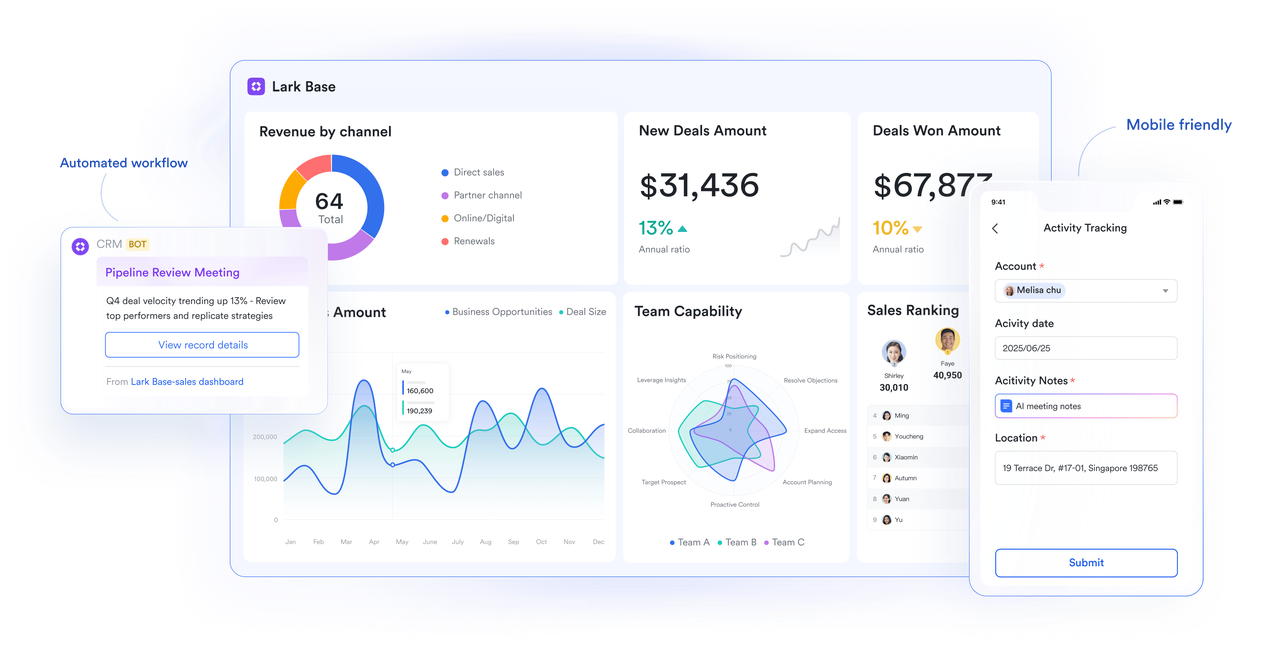
If you don’t act on them, insights are useless. Lark Base makes sure of this by putting projects into groups based on the information that drives them. Teams can check on the progress of their work by moving between Gantt charts, Kanban boards, and grid views. You can include things like budgets or risk levels in custom fields. Linked records show how things are related, so if one milestone changes, the others do too. Dashboards are easy to read because they use real data to produce reports. This lets leaders see what’s going on without having to do it themselves. Base makes it easy to add insights from Sheets or other places to organized workflows that already have built-in accountability.
Lark Docs transforms analysis into shared strategies
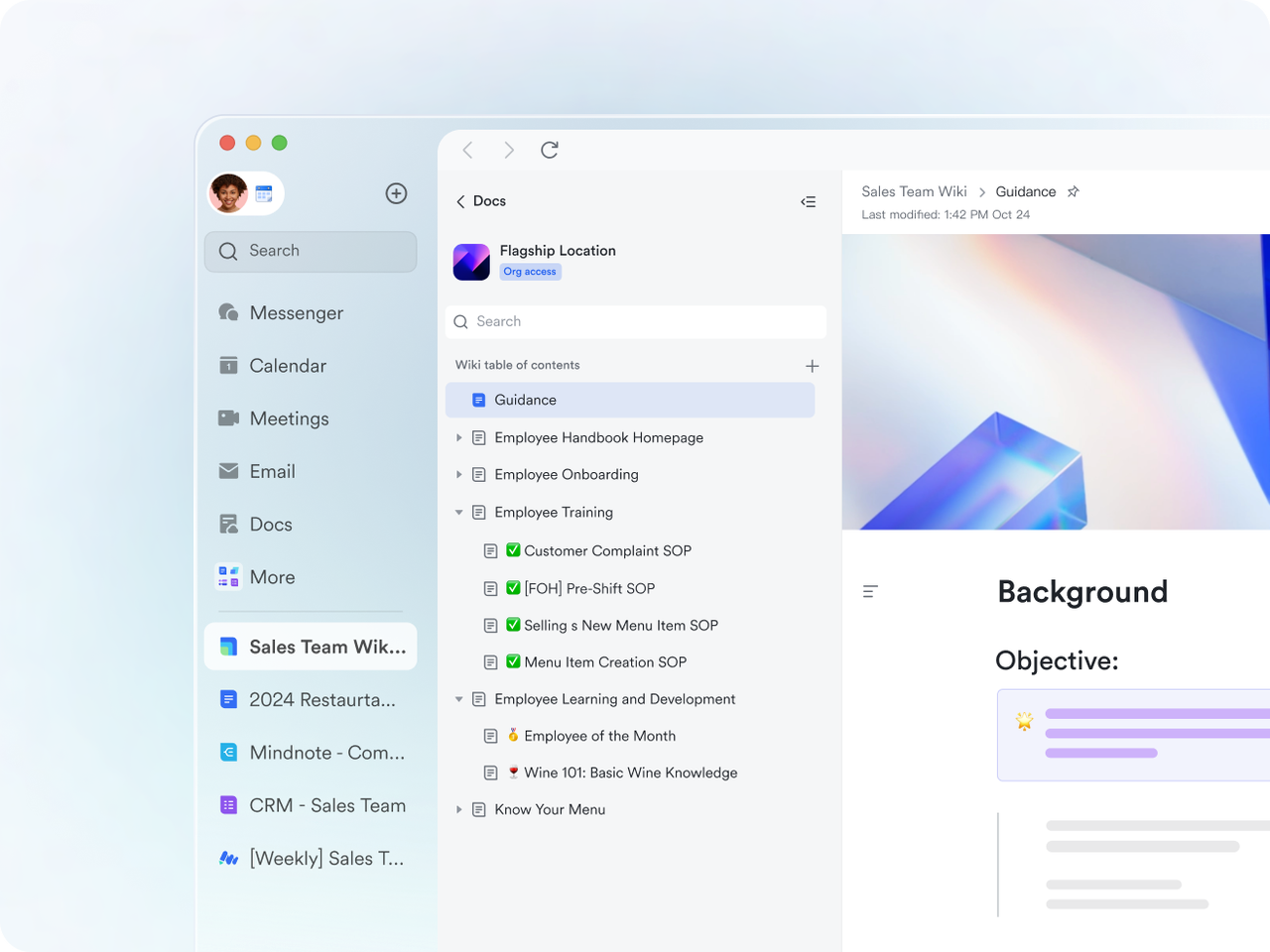
You have to tell everyone about what you learn that is new. With Lark Docs, teams can develop reports, plans, and proposals together in real time. Many people can edit at the same time, and inline comments help keep the conversation continuing. You can add Base active Sheets with financial data or images to your documents so that you can always make decisions based on facts. Version history shows how strategies change over time, which makes things evident. Docs makes it easier to identify and look at data-driven projects by replacing static papers with resources that multiple people can edit and work on at the same time.
Lark Calendar aligns priorities with data-driven timing
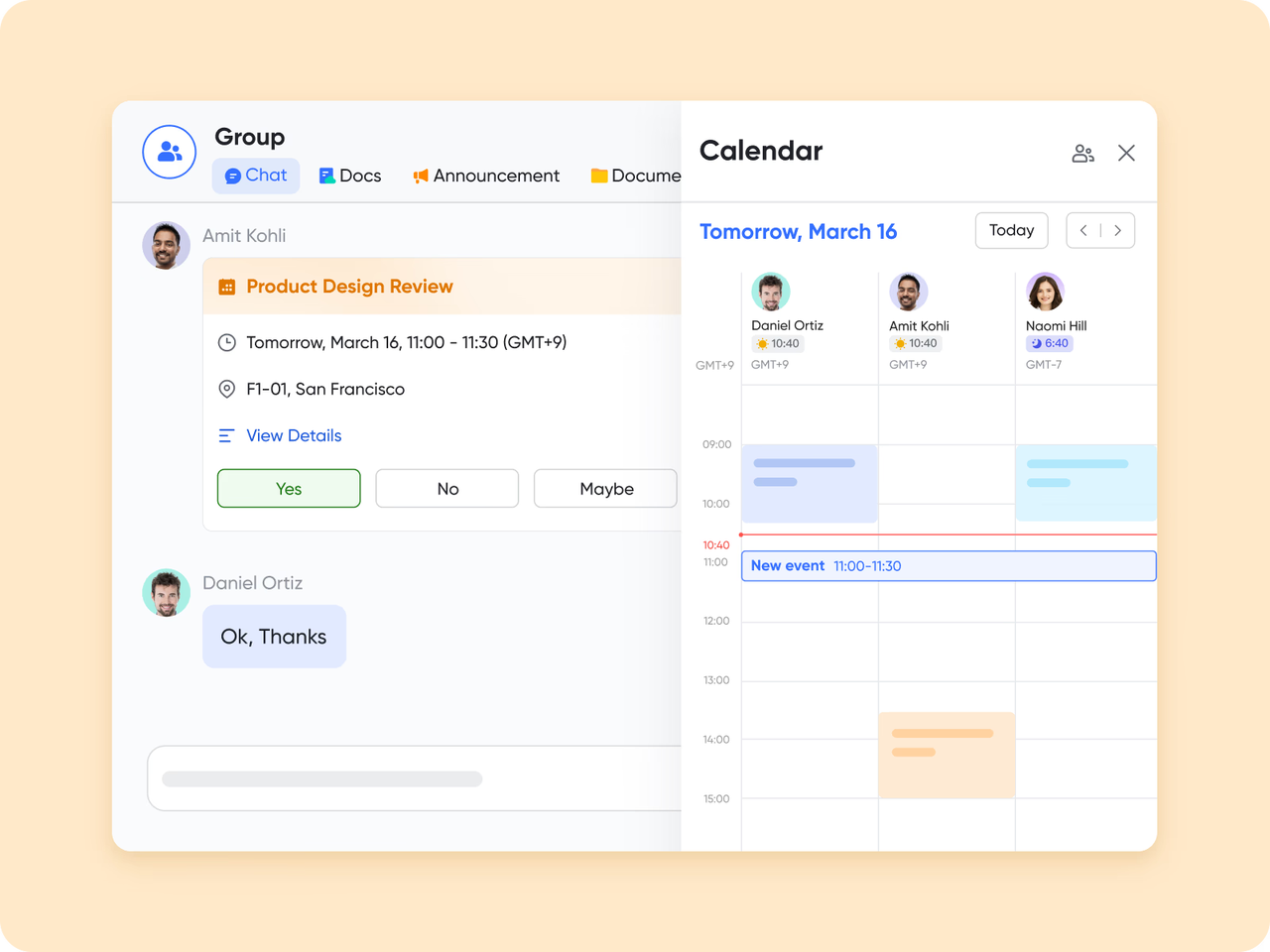
If you don’t do things at the correct time, even the best ideas won’t succeed. Lark Calendar allows teams put their plans into schedules, which they can then use to construct calendars that help them meet their company goals. Overlays keep work from getting in the way of each other, while shared calendars display the progress of projects in separate departments. Automatic changes to time zones let teams from different nations work together and make sure that no chances are missed due to problems with scheduling. You may add events directly to Docs or Base projects, so there is always a purpose for meetings and deadlines. Calendar not only helps you make the right decisions, but it also shows you how to use your time wisely so you can make them at the right time.
Lark Messenger ensures discussions are rooted in evidence
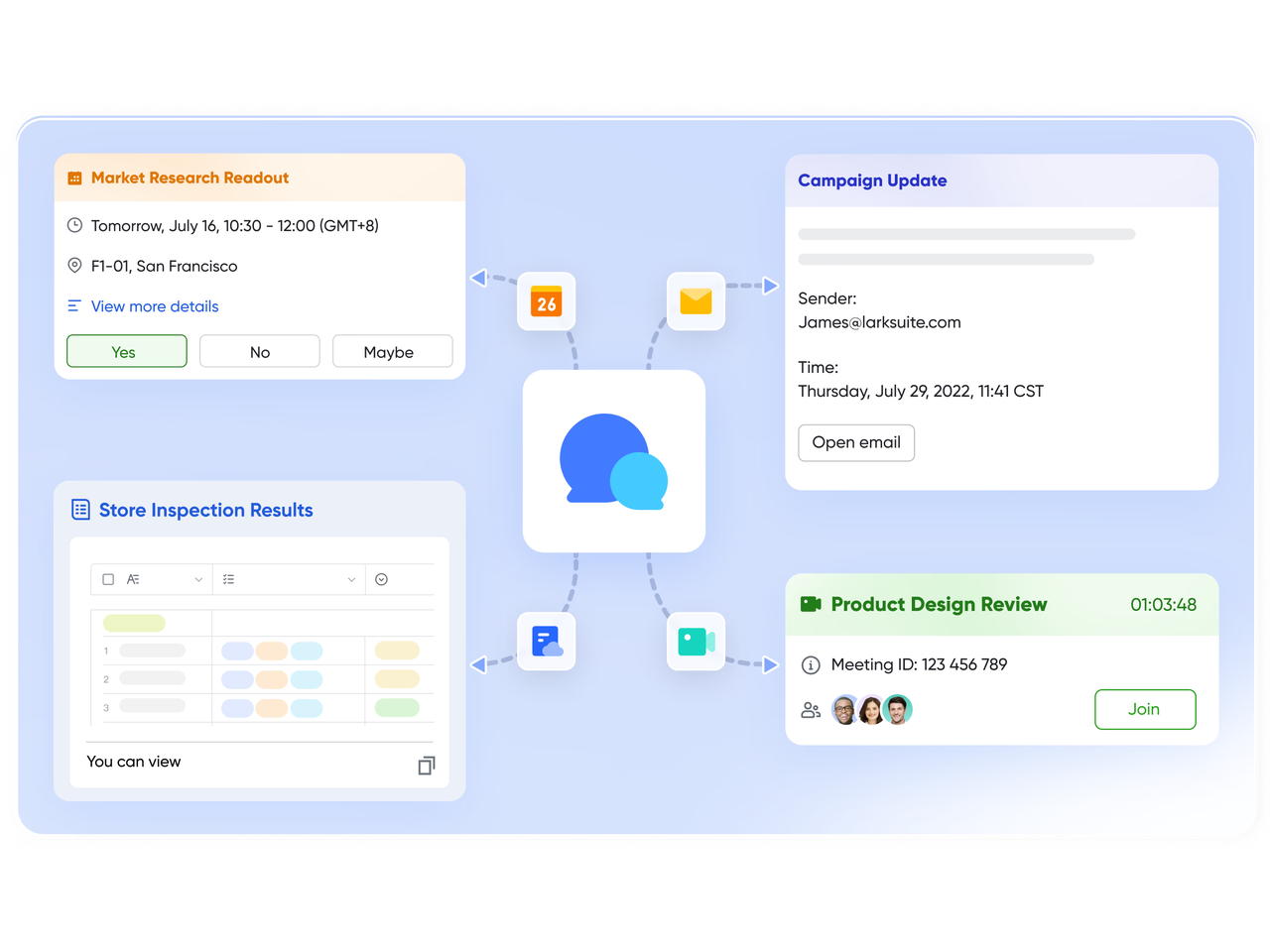
When there aren’t any facts to back them up, discussions on making decisions can go in a lot of different ways. Lark Messenger keeps conversations going by connecting individuals to the important evidence. Threads help you keep track of updates that are connected to each other so you don’t miss important information. Smart notifications and mentions tell you what to do right away, while pinned updates keep critical information in front of you. Because Messenger works so well with Docs and Sheets, teams can communicate about real data right in the app. This changes chat from casual discussions into a record of well-thought-out, data-driven conclusions that teams can trust and act on.
Lark Approval streamlines decisions with an automated workflow
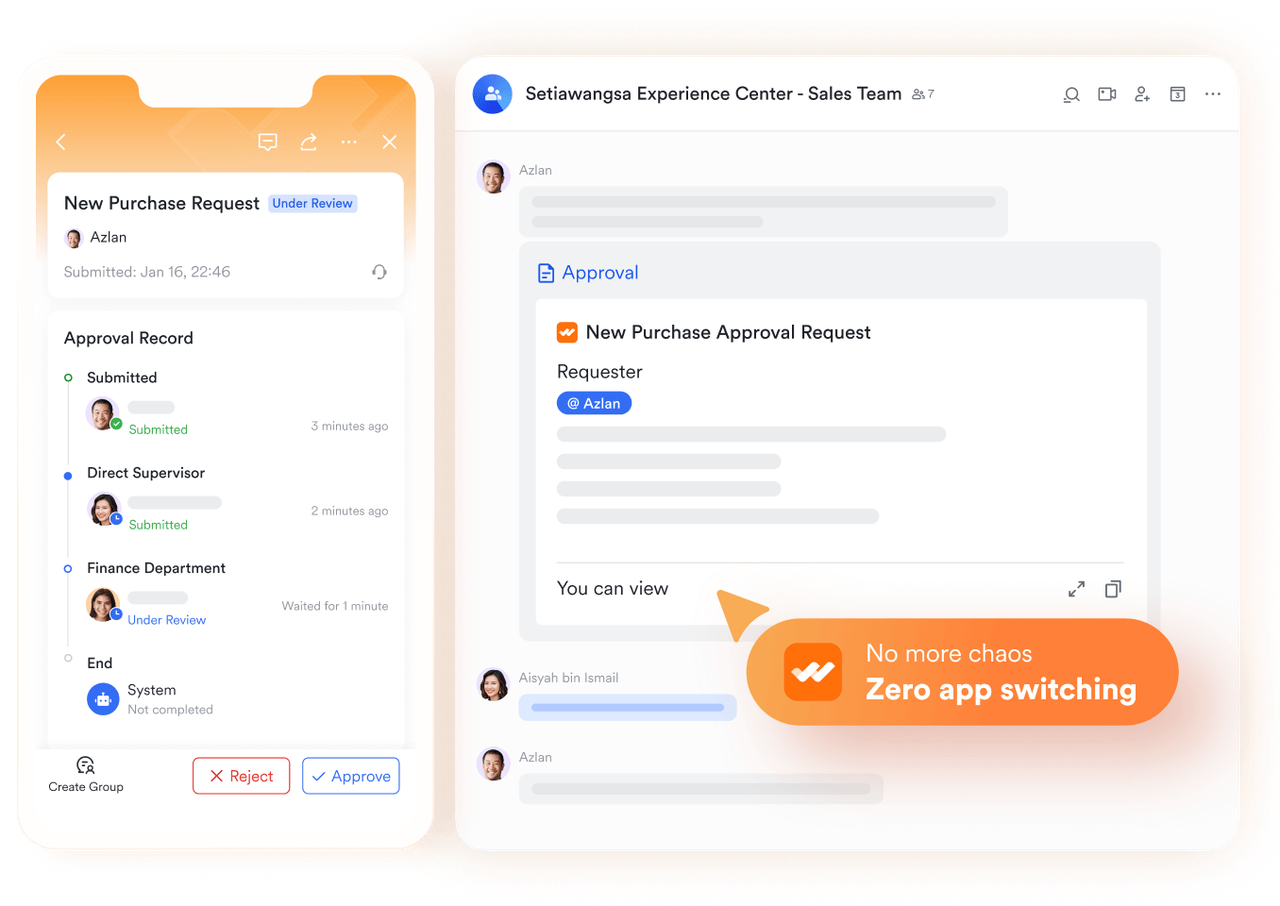
Businesses still have to wait for authorization even when they use data to make choices. Lark Approval fixes this by offering people a way to make decisions that is organized and automatic. Requests go to the right individuals automatically, which makes things work better. People who submit requests can see where their options are with clear tracking, which means they don’t have to send as many follow-up emails. Requests that are still open can get reminders, be sent to other persons, or be automatically accepted if certain conditions are met. The automated workflow triggers make this possible. This keeps things moving and makes sure that projects that need data don’t get stopped again. Approval shifts governance from a barrier to a way to make decisions more quickly and better.
Lark OKR measures progress against data-driven goals
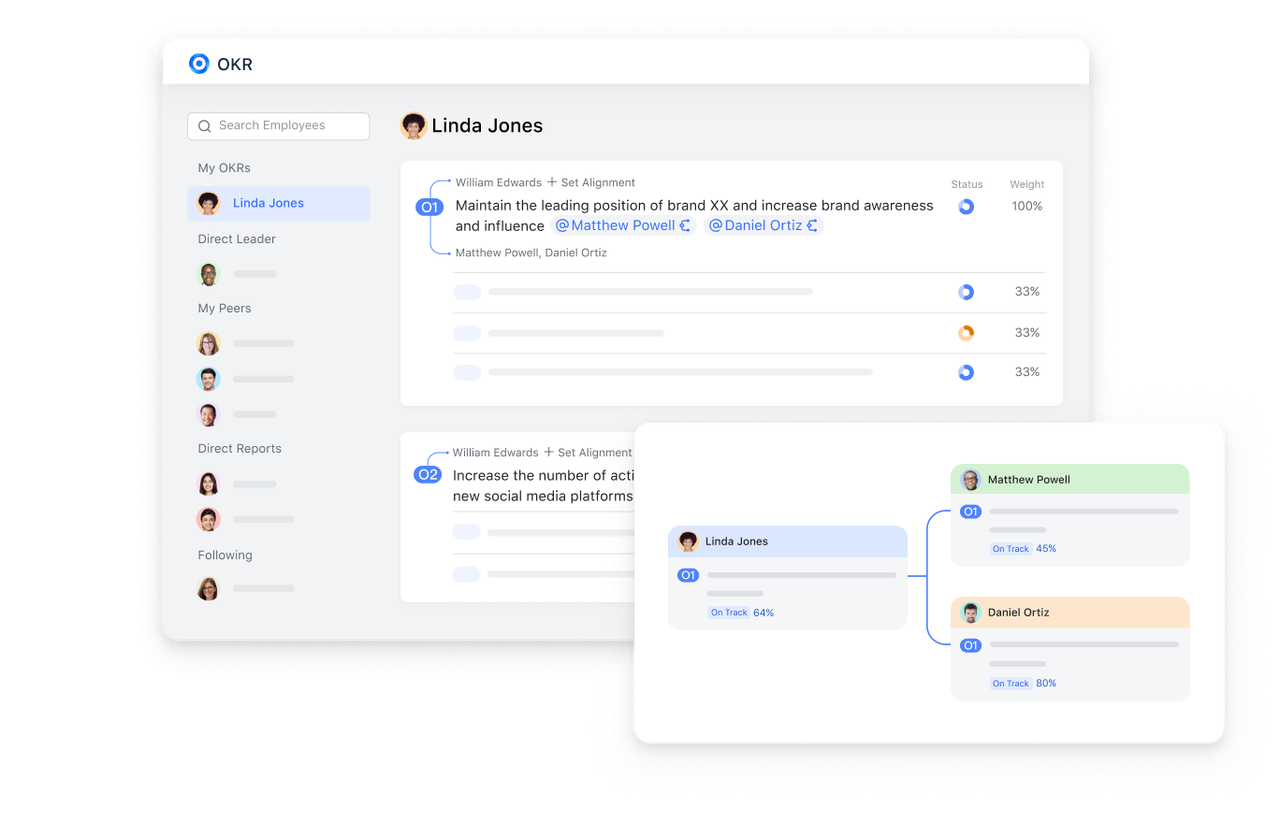
The last step in using data is to see how it works. Lark OKR connects choices to results that can be measured, which shows how well the overall firm is doing. You can make goals for the full company, a group, or just one person. In Base, critical results are connected to projects, and in execution streams, they are connected to tasks. Dashboards highlight progress in real time, which helps keep tactics in line with what is happening. Teams can provide comments and context, which keeps the conversation about the results going. OKRs make sure that data doesn’t just assist you make decisions; it also indicates how effectively they function by connecting short-term tasks to long-term goals.