
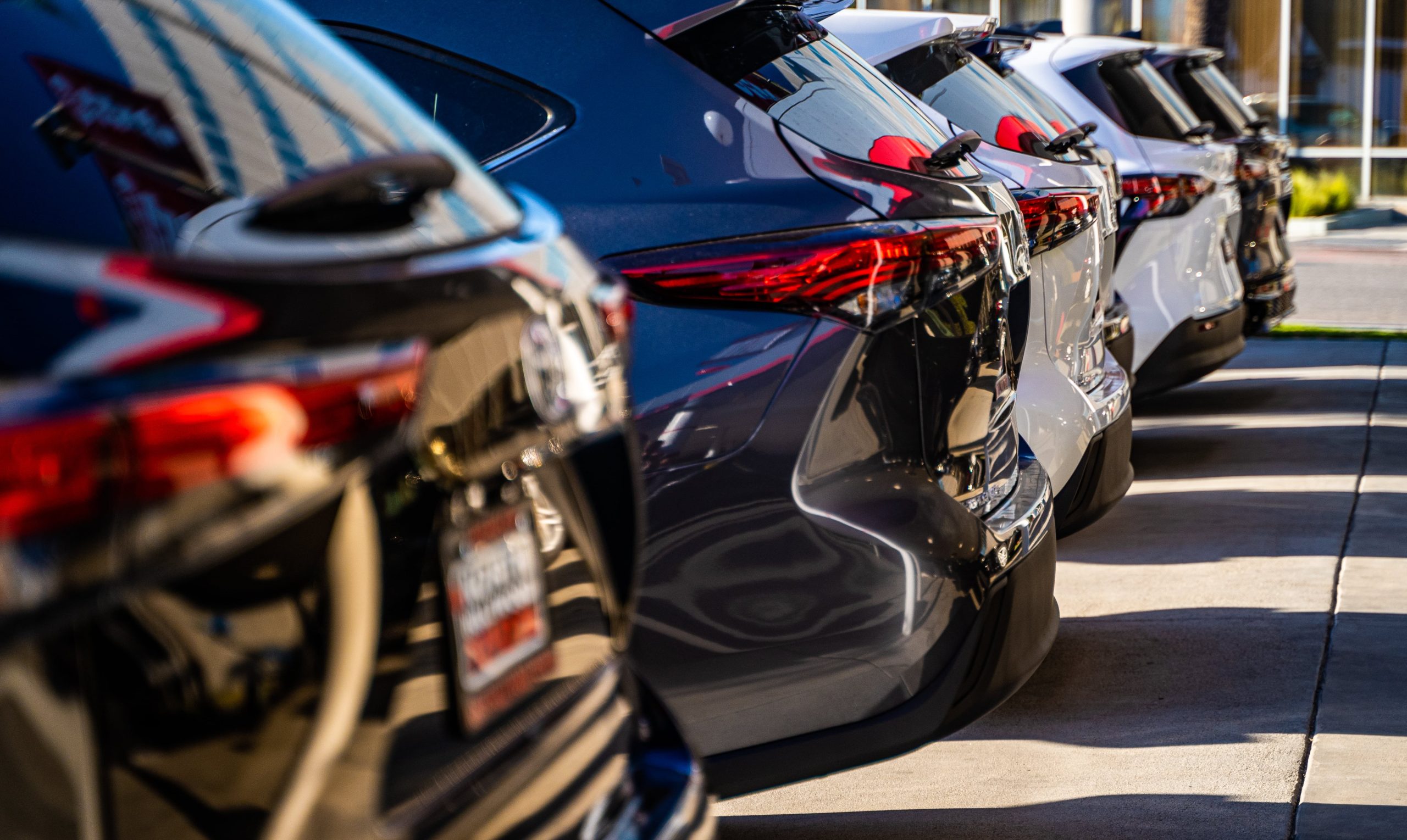
Long daily commutes can quickly add up in fuel costs, maintenance expenses, and environmental impact. Choosing a fuel-efficient car is one of the smartest decisions for drivers who spend significant time on the road each day. Whether commuting to work, school, or frequent appointments, the right vehicle can save money, reduce stress, and provide reliable performance over the long term.
This guide explains what makes a car fuel-efficient, which types of vehicles are best for long commutes, and how to choose a model that balances comfort, cost, and efficiency.
Why Fuel Efficiency Matters for Daily Commuters
For drivers with long commutes, fuel efficiency directly affects monthly expenses. A car that consumes less fuel reduces overall transportation costs and minimizes frequent trips to the gas station. Over time, these savings can be substantial.
Fuel-efficient cars also tend to produce fewer emissions, making them a more environmentally responsible choice for everyday driving.
Key Features of Fuel-Efficient Cars
Not all fuel-efficient vehicles are the same. The best options for long commutes share several important features:
-
High miles-per-gallon ratings
-
Lightweight construction
-
Aerodynamic design
-
Efficient engines or hybrid systems
-
Low rolling resistance tires
These elements work together to reduce fuel consumption without sacrificing reliability.
Best Types of Fuel-Efficient Cars for Long Commutes
Compact Sedans
Compact sedans are among the most popular choices for daily commuting. They offer excellent fuel economy, affordable pricing, and comfortable interiors for extended drives.
Hybrid Cars
Hybrid vehicles combine a gasoline engine with an electric motor to maximize efficiency. They perform especially well in stop-and-go traffic, making them ideal for urban commutes.
Subcompact Cars
Subcompact cars are lightweight and easy to maneuver. They deliver impressive fuel efficiency and are well-suited for drivers prioritizing cost savings over extra space.
Diesel Cars
In some markets, diesel vehicles offer excellent highway fuel efficiency and long driving ranges, making them suitable for extended daily travel.
Average Fuel Efficiency by Vehicle Type
| Vehicle Type | Average Fuel Efficiency | Best Use Case |
|---|---|---|
| Subcompact Car | 35–45 mpg | City and mixed commuting |
| Compact Sedan | 30–40 mpg | Long daily highway drives |
| Hybrid Car | 45–60 mpg | Heavy traffic and urban use |
| Diesel Sedan | 40–50 mpg | Long-distance commuting |
| Compact Hatchback | 30–38 mpg | Versatile daily commuting |
This comparison helps commuters identify which vehicle category best suits their driving habits.
Comfort Considerations for Long Drives
Fuel efficiency alone is not enough for long daily commutes. Comfort plays a crucial role in reducing fatigue and improving driving experience.
Important comfort features include:
-
Supportive seating
-
Smooth suspension
-
Quiet cabin
-
Climate control
-
User-friendly infotainment systems
A comfortable car makes extended driving more manageable and enjoyable.
Fuel Efficiency vs Engine Performance
Some drivers worry that fuel-efficient cars lack power. Modern engineering has significantly reduced this trade-off. Many efficient cars now offer responsive acceleration and smooth highway performance while maintaining low fuel consumption.
Choosing the right engine size and transmission helps balance efficiency and drivability.
Maintenance Costs and Reliability
Fuel-efficient cars often have lower maintenance costs due to smaller engines and simpler designs. Reliability is especially important for long daily commutes, where breakdowns can disrupt schedules.
Vehicles known for reliability and durability often align with Vehicles with Low Depreciation Value Over Time, making them a practical financial choice beyond fuel savings.
Technology That Improves Fuel Efficiency
Modern vehicles use advanced technology to enhance efficiency:
-
Start-stop systems that reduce fuel use at idle
-
Eco driving modes that optimize engine performance
-
Lightweight materials to reduce overall weight
-
Efficient automatic or continuously variable transmissions
These features contribute to better fuel economy without requiring changes in driving habits.
Driving Habits That Improve Fuel Efficiency
Even the most fuel-efficient car benefits from good driving habits.
-
Maintain steady speeds
-
Avoid rapid acceleration
-
Keep tires properly inflated
-
Reduce unnecessary weight
-
Follow regular maintenance schedules
Smart driving can significantly increase real-world fuel efficiency.
New vs Used Fuel-Efficient Cars
Both new and used cars can be fuel-efficient options for commuters.
New Cars
-
Latest efficiency technology
-
Better fuel economy ratings
-
Higher upfront cost
Used Cars
-
Lower purchase price
-
Proven reliability records
-
Slightly lower efficiency than new models
Choosing a lightly used fuel-efficient car often offers the best balance of cost and performance.
Environmental Benefits of Fuel-Efficient Cars
Fuel-efficient vehicles reduce carbon emissions and dependence on fossil fuels. For daily commuters, this environmental impact adds up over time. Choosing an efficient car supports cleaner air and more sustainable transportation habits.
Common Mistakes to Avoid When Choosing a Commuter Car
-
Prioritizing size over efficiency
-
Ignoring real-world fuel economy
-
Overlooking comfort features
-
Underestimating maintenance costs
-
Choosing unnecessary performance upgrades
Avoiding these mistakes ensures a smarter long-term decision.
Frequently Asked Questions (FAQs)
What is considered a good fuel efficiency for long commutes?
A fuel efficiency of 30 mpg or higher is generally considered good for long daily commutes, with hybrids offering even better performance.
Are hybrid cars worth it for daily commuting?
Yes, hybrids are especially cost-effective for commuters who drive frequently, particularly in traffic-heavy areas.
Do fuel-efficient cars cost more to maintain?
In most cases, fuel-efficient cars have lower or similar maintenance costs compared to larger vehicles.
Is highway driving better for fuel efficiency?
Yes, steady highway driving usually results in better fuel efficiency than stop-and-go city traffic.
How can I maximize fuel efficiency in my current car?
Maintain proper tire pressure, drive smoothly, reduce extra weight, and follow regular service schedules.
Conclusion
Fuel-efficient cars are ideal companions for long daily commutes, offering lower fuel costs, reduced environmental impact, and reliable performance. By choosing the right vehicle type, prioritizing comfort and reliability, and adopting smart driving habits, commuters can enjoy significant savings and a better driving experience. A fuel-efficient car is not just a practical choice—it’s a long-term investment in convenience, economy, and sustainability.