
Maintaining a clean and organized home is essential, but are you really doing it right? This comprehensive research report provides a detailed checklist for deep cleaning your entire house. It combines valuable tips and strategies from various trusted sources, ensuring you cover every corner of your space. From tackling hidden dust bunnies to sanitizing high-touch areas, the guide equips you with a systematic approach to make cleaning feel less overwhelming. Remember, it’s not just about cleanliness; it’s also about creating a healthier environment for you and your loved ones. Dive into the steps provided and see how rewarding deep cleaning can be!
1. Understanding Deep Cleaning: What Is It?
Full house deep cleaning is more than just tidying up; it dives into the nooks and crannies of your home that often get neglected. While regular cleaning might involve dusting surfaces and vacuuming floors, deep cleaning takes it a step further by focusing on areas like behind appliances, inside cabinets, and the corners of rooms. This thorough approach not only refreshes your living space but also improves indoor air quality by eliminating dust, allergens, and pollutants that can accumulate over time.
Typically, deep cleaning is done on a seasonal basis or just before major events, like holidays or moving. Imagine washing away the grime from your walls, deep-cleaning carpets that have seen better days, and sanitizing high-touch areas like doorknobs and light switches. Understanding the distinction between deep cleaning and regular cleaning is vital for maintaining a clean home, as it allows you to ensure that every part of your house is kept in optimal condition.
Moreover, deep cleaning can extend the lifespan of your furniture and appliances, making it a smart investment in your home. It also serves as a perfect opportunity to declutter and organize your space, creating a more functional environment. Many people find deep cleaning to be a rewarding experience that not only enhances their living conditions but also acts as a reset for their home, giving them a fresh start.
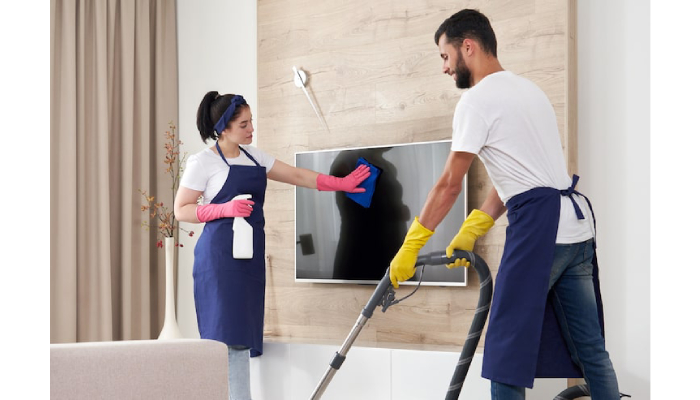
2. Essential Supplies for Deep Cleaning
To kick off your deep cleaning adventure, it’s crucial to gather the right supplies. Start with basic items like an all-purpose cleaner, disinfectant, and glass cleaner; these versatile products can tackle a variety of surfaces and messes. Microfiber cloths are a game-changer, trapping dust and dirt without scratching your furniture. Don’t forget a good vacuum cleaner equipped with attachments for effective cleaning of carpets, upholstery, and those hard-to-reach spots that often get neglected.
Mops, brooms, and dusters are essential for maintaining clean floors and ceilings, ensuring no corner is left untouched. Protect your hands with rubber gloves as you work with cleaning chemicals. Comfort and safety go hand-in-hand! Sponges and scrub brushes will become your best friends when it comes to battling tough stains and grime. For an eco-friendly touch, consider using baking soda and vinegar, which are natural alternatives for many cleaning tasks.
A sturdy bucket is indispensable for mixing solutions and easily transporting your supplies from room to room. Plus, keep plenty of trash bags on hand to declutter as you clean, allowing for a smooth process of disposing of unwanted items. As you dive into your deep cleaning, having a checklist can help you stay organized and ensure that you don’t miss any important tasks. With these supplies, you’re well on your way to a sparkling clean home!
- Gather basic cleaning supplies like all-purpose cleaner, disinfectant, and glass cleaner for versatile use.
- Microfiber cloths are great for trapping dust and dirt without scratching surfaces.
- A good vacuum cleaner with attachments can tackle carpets, upholstery, and hard-to-reach areas effectively.
- Mops, brooms, and dusters should be included for floor and ceiling cleaning tasks.
- Rubber gloves protect your hands while using cleaning chemicals, ensuring safety and comfort.
- Sponges and scrub brushes come in handy for tackling tough stains and grime.
- Baking soda and vinegar are natural alternatives for many cleaning tasks, offering eco-friendly options.
- A bucket is essential for mixing solutions and carrying supplies from room to room.
- Trash bags are important for decluttering and disposing of unwanted items during cleaning.
- Consider having a checklist handy to track supplies and tasks as you deep clean.
3. Room-by-Room Cleaning Checklist
Starting your deep cleaning journey room by room can make a world of difference in efficiency and effectiveness. In the kitchen, tackle the oven, refrigerator, and cabinets first. Don’t forget to sanitize those countertops, as they’re often the hub of daily activity. Moving into the bathroom, give tiles a good scrub, clean toilets thoroughly, and disinfect sinks to ensure a germ-free zone.
When you enter the living room, dust off all furniture, vacuum those carpets, and brighten the space by cleaning the windows. Bedrooms need special attention too; be sure to dust surfaces, change bed linens, and organize closets and drawers to create a serene environment.
Throughout your home, remember to check light fixtures and ceiling fans, as they can accumulate dust over time. Hallways and staircases should not be neglected; vacuum and dust these areas, paying close attention to corners that often collect debris.
Entryways are your home’s first impression, organize shoes and wipe down surfaces to keep it welcoming. Don’t forget about seasonal tasks like washing windows and checking smoke alarms to maintain safety and clarity. Finally, always finish each room with a final inspection to catch anything you might have missed, ensuring your deep cleaning is truly complete.
4. Tips for Efficient Deep Cleaning
To make deep cleaning a breeze, start by creating a cleaning schedule. Allocate specific time slots for each room, turning the overwhelming task into manageable bites. Break tasks into smaller steps, so you can focus on one area at a time without feeling stressed. Setting a timer can add a fun challenge; see how much you can accomplish in a set time frame. To keep your energy up, pump up your favorite tunes or listen to an engaging podcast while you work.
Don’t forget to involve your family! Dividing tasks can speed up the cleaning process, and it can turn into a bonding experience. Keep all your supplies in a portable caddy, so you won’t waste time running back and forth. Tackle cleaning from the top down, start with the ceilings and work your way to the floors. This ensures you’re not cleaning areas twice.
Stay hydrated with water and take breaks to recharge your energy. Once you’ve tackled your deep cleaning checklist, reward yourself! Take a moment to enjoy your hard work. You might also find cleaning apps helpful for reminders and tips, keeping you organized and motivated.
5. Organizing Your Cleaning Schedule
Planning your deep cleaning sessions at regular intervals, like seasonally or biannually, can make a world of difference. Start by creating a calendar with specific dates for each room or area, which helps maintain consistency. For example, you might tackle the kitchen in January, the living room in April, and the bedrooms in July. To keep everyone informed, consider using color coding for different tasks or family members. This way, everyone knows who is responsible for what.
Incorporate quick daily tasks to maintain cleanliness between deep cleaning sessions. Simple habits, like wiping down counters or vacuuming high-traffic areas, can prevent dirt buildup. Set reminders on your phone or calendar for upcoming cleaning days to stay on track. Monthly reviews of your schedule allow for adjustments based on any lifestyle changes, ensuring that your plan remains effective.
Don’t forget to include time for decluttering alongside your cleaning sessions. A fresh space is not only cleaner but also more inviting. Think about the best times of day for cleaning when you have the most energy. For some, this could be early mornings, while others might prefer evenings.
Keep a list of tasks that need to be done in each room to make sure nothing is overlooked. Finally, consider making cleaning a family activity. It builds teamwork and shares responsibilities, turning a chore into a fun bonding experience.
6. Common Mistakes to Avoid
When embarking on a deep cleaning journey, it’s easy to overlook some essential details that can make or break your efforts. One common mistake is rushing through tasks; taking your time not only ensures a thorough clean but also helps you enjoy the process. Another pitfall is using harsh chemicals without proper ventilation or safety gear, which can be harmful to your health. Before diving into cleaning, make sure to declutter first; skipping this step can lead to unnecessary work and frustration as you try to clean around piles of items.
Don’t forget about high and low areas, as neglecting to clean these spots can leave dirt and dust behind. Creating a checklist is vital; failing to do so can result in missed spots and repetitive work, doubling your effort. Having all your cleaning supplies ready before you start is also crucial, as running around looking for items can disrupt your flow and waste precious time.
Assuming that all surfaces can be treated the same way is another mistake that can damage materials, so always do a bit of research first. Additionally, ignoring the maintenance of your cleaning tools can reduce their effectiveness over time, making your clean less impactful. Lastly, don’t overlook the importance of regular light bulb changes, as dim lighting can affect the quality of your cleaning effort. Involve family members in the process; it can make the task quicker and a lot more fun!
7. Maintaining Cleanliness After Deep Cleaning
To keep your home looking pristine after a deep clean, establishing daily cleaning habits is essential. Simple actions, like wiping down surfaces and putting items back in their designated spots, can prevent dirt buildup. Decluttering spaces regularly ensures that your home stays organized and visually appealing. Consider creating a weekly cleaning schedule to tackle light cleaning tasks, such as vacuuming and dusting, which will help maintain that fresh feeling.
Designated spots for items make it easier to find what you need and keep everything in order. Encourage family members to clean up after themselves, fostering a shared responsibility for maintaining a tidy space. You can also use mats at entryways to capture dirt before it enters your home, and adopting a no-shoes policy helps minimize dust and allergens.
Incorporate quick clean-ups into your routine, tackling spills and messes as they happen to avoid larger clean-up jobs later. Keep cleaning supplies handy for those moments when you need to address a mess right away. Lastly, don’t forget to schedule periodic deep cleaning sessions to refresh your home and ensure it remains inviting and enjoyable for everyone.
8. Involving Family in the Cleaning Process
Cleaning doesn’t have to be a solo task, and involving your family can make the process more enjoyable and efficient. Start by assigning age-appropriate tasks to your kids, like dusting low shelves or sorting laundry. This not only teaches them responsibility but also gets them engaged in maintaining a tidy home. To keep spirits high, turn cleaning into a fun activity. Play upbeat music or set up a friendly competition to see who can finish their tasks the fastest. You might even create a family cleaning chart to track completed chores and celebrate progress together. Teamwork can be a great way to bond, so why not tackle rooms as a family? Cleaning together can turn a mundane chore into a memorable experience. Set a timer and challenge each other to complete tasks before time runs out, adding a dash of excitement to the routine. To motivate everyone, consider offering small rewards for completed tasks, like a treat or extra screen time. Discuss why a clean home is important, helping your family understand the value of cleanliness. Planning a family cleaning day can be a great way to tackle larger projects, and sharing tips and tricks can improve everyone’s cleaning techniques. Finally, once the cleaning is done, take a moment to celebrate your collective effort, reinforcing the satisfaction of a job well done.