
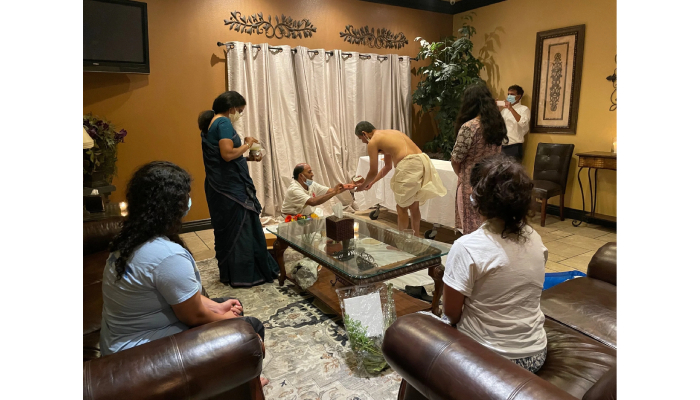
Hindu funeral customs in Southern California provide a rich tapestry of traditions that reflect deep spiritual beliefs, particularly the idea of reincarnation. Following the passing of a loved one, family members swiftly prepare for Antyesti, or last rites. Rituals begin within 24 hours and involve bathing the body and dressing it in simple white attire. A Hindu priest typically leads these ceremonies, guiding mourners with sacred prayers from texts like the Bhagavad Gita. Cremation is preferred for its role in facilitating the soul’s release from earthly bonds. Post-cremation practices include scattering ashes and observing a mourning period, ensuring that families can honor their loved one’s journey respectfully and meaningfully. Understanding these customs is vital for participants at funeral services to show reverence during such poignant moments.
Overview of Hindu Funeral Customs
Hindu cremation Southern California are rich in meaning and significance, deeply rooted in spiritual beliefs about life and death. At the heart of these customs lies the concept of reincarnation, which shapes how rituals are carried out. The practice known as Antyesti, or ‘last rites’, is particularly pivotal, serving as a way to honor the deceased and guide their soul towards a peaceful afterlife. These rituals are not merely formalities; they reflect a profound blend of ancient traditions and contemporary practices, showcasing how cultural elements adapt over time. Family involvement is essential, with loved ones actively participating in the ceremonies, highlighting the importance of community support during the mourning period. It is also noteworthy that customs can vary widely across different regions and communities within India, offering a rich tapestry of practices that express love and respect for the departed. Understanding these customs is vital, especially in diverse settings like Southern California, as it helps bridge cultural gaps and fosters respect among attendees.
Immediate Actions Upon Death
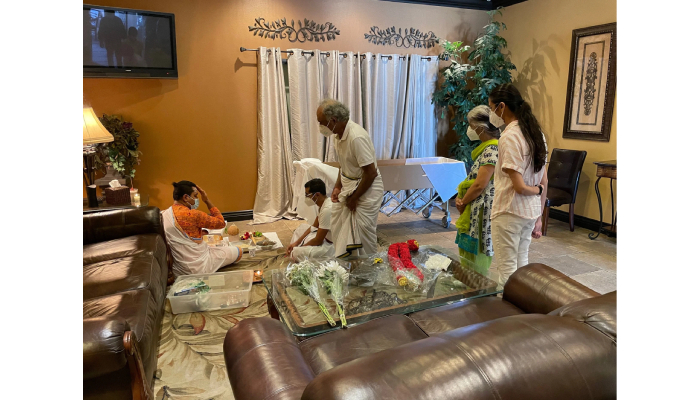
When a loved one passes away, immediate actions are taken to honor their memory and facilitate the transition of their soul. Family members typically gather at the deceased’s home, forming a close-knit support system during this difficult time. The body is placed on a wooden platform, adorned with beautiful flowers and sacred items, creating a serene space for reflection. In this setting, mantras are chanted, invoking peace and comfort for the departed soul.
Out of respect, family members often refrain from eating until the body is prepared. This practice reinforces their dedication to honoring the deceased. Traditionally, family members participate in preparing the body, which strengthens familial bonds and allows for a personal connection to the rituals. The deceased is usually dressed in simple white clothing, a symbol of purity and simplicity, while sacred symbols like wooden beads or the sacred thread are placed around their neck, signifying their spiritual journey.
One of the significant rituals involves washing the body, often using sacred water or items, emphasizing the respect bestowed upon the departed. During this time, family members may engage in personal reflection or prayer, allowing for a moment of connection with their loved one. The immediate community also plays a vital role, offering support and comfort, ensuring that no one feels alone in their grief.
- Family members will usually gather at the deceased’s home to begin mourning.
- The body is placed on a wooden platform, decorated with flowers and sacred items.
- Mantras are chanted to invoke peace and comfort for the departed soul.
- It’s common for family members to avoid eating until the body is prepared, showing respect.
- Traditionally, the body is prepared by family members, reinforcing familial bonds.
- The deceased is often dressed in white clothing, symbolizing purity and simplicity.
- Sacred symbols, like the sacred thread or beads, are placed around the deceased’s neck.
- The washing of the body is an important ritual, often using sacred water or items.
- Family members may engage in personal reflection or prayer during this time.
- The immediate community may also offer support, providing comfort and assistance.
The Role of the Priest in Rites
The priest, often referred to as the Pundit, plays a vital role in Hindu funeral customs, acting as a spiritual guide for the grieving family. His presence is crucial, for he performs essential rituals that link the family to their spiritual beliefs. During the ceremony, he recites prayers from sacred texts, particularly the Bhagavad Gita, which not only honors the deceased but also provides comfort to the bereaved. As he conducts the rituals, he explains the significance of each action, helping the family grasp the deeper meaning behind their traditions. This guidance is invaluable during such a difficult time, as it brings a sense of tradition and continuity to the rites. The Pundit also leads the family in chanting, which helps them focus their energy and find solace in the process. Furthermore, he offers advice on post-cremation rituals and mourning periods, ensuring the family knows how to navigate their grief in the days ahead. Ultimately, the Pundit serves as a bridge between the family and the divine, supporting their emotional and spiritual needs during a time of profound loss.
Understanding the Cremation Process
Cremation is a cornerstone of Hindu funeral customs, deeply intertwined with the spiritual journey of the soul. It is believed that this vital step facilitates the soul’s transition to the afterlife, allowing for a rebirth in a new form. The ceremony typically unfolds at a designated cremation ground, where family members carry the body to the site, chanting mantras that resonate with their love and reverence.
The cremation pyre, traditionally constructed from wood, symbolizes the return of the physical body to nature. This poignant act underscores the cycle of life and death, as flames dance around the pyre, purifying the spirit and releasing it from earthly ties. It is a significant honor for the eldest son or a close male relative to light the pyre, a moment that carries both weight and privilege.
Within 24 hours of death, the cremation occurs, aligning with the belief that the soul should not linger. Family members often join in placing the body on the pyre, a powerful expression of love and farewell. The atmosphere can be emotionally intense, with open displays of grief and sorrow as they confront the loss of a loved one. Following the cremation, families engage in rituals that honor the departed, supporting the soul’s journey and ensuring it is remembered with respect and love.
Post-Cremation Practices Explained
After the cremation, the ashes hold profound significance as they symbolize the transition of the soul. Families often collect these ashes and may choose to immerse them in holy waters, with the Ganges River being a popular choice due to its symbolism of spiritual purification. This act is not just a ritual, but a deeply meaningful gesture to honor the deceased and facilitate their journey into the afterlife.
Following the cremation, families typically observe a mourning period lasting from 10 to 13 days. During this time, specific rituals are performed to help the soul transition smoothly. These rituals can include prayers, offerings, and gatherings where family members come together to share stories and memories of the loved one, reinforcing the bonds of family and community.
On the first anniversary of the passing, families often hold special memorial ceremonies to commemorate the life of the deceased. Some may also perform a ritual called Shraddha, which is aimed at honoring ancestors and ensuring that their spirits are at peace. This is a time for reflection, connection, and healing, allowing families to process their grief and maintain a connection with their loved ones.
While some families may choose to scatter the ashes in a place that holds special meaning to the deceased, others might keep them at home as a reminder of their loved one. These post-cremation ceremonies can be personalized, reflecting the unique life and relationships of the deceased, thereby making each ritual a celebration of their journey.
Variations in Hindu Funeral Customs
Hindu funeral customs showcase a fascinating diversity that reflects the rich cultural tapestry of India. Different regions may have unique practices, with families often blending local customs into traditional Hindu rituals. For instance, while many Hindus favor cremation, certain communities, such as Muslims and some Christians, may prefer burial, leading to a mix of practices even within the Hindu community. Furthermore, variations often arise from the deceased’s community, caste, or sect, with distinct rituals observed by groups like Sindhis or Tamils. Urban and rural settings can also influence these customs, as families adapt their practices to align with contemporary lifestyles and local laws. In interfaith families, you might see a beautiful fusion of Hindu customs with those from other religions, highlighting the adaptability and inclusivity of these traditions. Understanding these variations enhances our appreciation for the diversity within Hinduism, making each funeral a unique expression of love, respect, and cultural heritage.
Frequently Asked Questions
What are the main Hindu funeral rituals in Southern California?
In Southern California, Hindu funeral rituals usually include the washing of the body, dressing it in traditional attire, and performing prayers. Family gathers to perform a ceremony called ‘Antyesti’ to ensure a peaceful passage to the afterlife.
How long does the mourning period last after a Hindu funeral?
Typically, the mourning period, known as ‘Shraddha,’ lasts for 13 days. During this time, the family often refrains from celebrations and performs rituals to honor the deceased’s soul.
Can non-Hindus participate in Hindu funeral customs?
Yes, non-Hindus can participate, but they should be respectful and follow the lead of the family. It’s important to ask questions if unsure and to be sensitive to the customs being observed.
What is the role of a priest during a Hindu funeral?
A priest plays a vital role by conducting the necessary rituals and prayers for the deceased. They guide the family through various rites, helping to ensure that everything is performed according to tradition.
Are there specific items required for a Hindu funeral service?
Yes, some key items include the body dressed in white or traditional clothing, flowers, incense, and offerings like fruits or rice. These items help honor the deceased and create a sacred atmosphere throughout the service.