
Parents are constantly seeking snack and meal solutions that combine meaningful nutrition with flavors and textures their children will genuinely enjoy and request regularly. Finding the right balance between convenience, taste, and health can transform hectic mornings and afternoon slump times into moments that support growth and focus. This article explores practical ideas for breakfasts, lunches, snacks, and treats that translate high-quality ingredients into kid-approved dishes and quick preparations. By focusing on simple techniques, playful presentations, and smart ingredient swaps, caregivers can elevate ordinary family meals without adding complexity to their routines. We draw on the food industry’s expanding range of wholesome products to suggest recipes and tips that emphasize transparency, quality sourcing, and straightforward preparation. With consistent application of these ideas, families can help children build lasting habits rooted in better nutrition, confident choices, and joyful dining experiences.
Meal times are prime opportunities for education; teaching children about flavor combinations, ingredient origins, and how food supports energy and wellbeing can be woven into everyday life. When healthy foods are introduced with curiosity and creativity rather than pressure, children are more likely to taste, accept, and eventually prefer nutrient-rich options over processed alternatives. This guide offers intentionally adaptable suggestions so families can scale portions, swap ingredients for local availability, and respect school policies or allergy constraints. We also recommend involving children in simple tasks such as measuring, stirring, or decorating so they feel ownership and pride in what they eat. Through small, consistent adjustments to recipes and presentation, parents can reduce mealtime battles while promoting a broad, balanced palate for their children. Below are thoughtfully organized ideas to inspire families to integrate nutritious elements into fun formats that suit dynamic household schedules.
Nutritious Breakfast Options Kids Will Love
Breakfast is essential for jumpstarting metabolism and cognitive focus, so packing the morning meal with balanced protein, fiber, and healthy fats helps children stay alert and engaged. Whole grains like rolled oats or whole-wheat pancakes provide steady-release carbohydrates and valuable B vitamins that support energy production throughout busy school mornings. To boost nutrient density without overwhelming picky palates, parents can fold in mashed banana or grated apple for natural sweetness and added fiber. A small scoop of yogurt or milk offers high-quality protein and calcium, while a light, crunchy garnish improves texture and eating enjoyment for children. Simple flavor tweaks such as a dash of cinnamon, a splash of vanilla, or a sprinkle of citrus zest can make repeated breakfasts feel novel and satisfying. By preparing portions in advance or assembling grab-and-go jars, families can make nutritious breakfasts the easiest choice on rushed mornings.
Smoothies serve as an efficient, portable breakfast that can simultaneously deliver fruits, vegetables, protein, and probiotics in a child-friendly, creamy form that appeals widely. Combining banana, a handful of mild berries, a small leafy green, and a spoonful of plain yogurt makes a nutrient-rich drink that masks the taste of greens. Including a small amount of seeds or whole-grain cereal stirred in after blending adds texture and slows digestion, reducing mid-morning hunger and energy dips. Parents can involve children by letting them pick one fruit or topping for the blender, fostering curiosity and investment in the outcome. These smoothies also allow families to avoid added sugars and hidden additives common in store-bought options, keeping ingredient lists short and wholesome. With a few well-chosen ingredients, parents can offer breakfasts that are convenient, nourishing, and genuinely enjoyable for children on busy days.
Creative Snack Time Solutions
Snack time represents a valuable opportunity to replenish energy and nutrients between meals, so choosing options that combine carbohydrates with protein and healthy fats is essential. Fresh fruit, cut vegetables, and dairy or dairy alternatives provide vitamins and hydration while small amounts of crunchy components satisfy the texture cravings kids often have. Understanding the health benefits of macadamia nuts helps parents see why including a measured serving can complement other snack components, contributing monounsaturated fats and a pleasant creaminess. When paired with sliced apples, whole-grain crackers, or a simple yogurt dip, a few crushed or chopped nuts amplify satiety and taste without overpowering milder flavors. Preparation is key: pre-portioned snack packs and visually engaging plates reduce waste and make the healthier choice the most accessible for busy families. Rotating snack themes and letting children assemble their own combinations encourages independence and reduces resistance to trying new foods.
Trail mixes are a flexible solution for parents who want portable, shelf-stable snacks that are customizable to family tastes and dietary needs. A thoughtfully composed mix includes dried fruit for sweetness, whole-grain cereal for crunch, and measured nuts or seeds to supply protein and fats. To accommodate school policies or younger children, swap whole nuts for finely chopped nuts or use roasted chickpeas and sunflower seeds as safer alternatives. Packaging portions into small reusable containers keeps serving sizes in check and makes it easier for kids to grab something nutritious on the way out the door. Encouraging variety by changing the mix-ins every week keeps the routine fresh and helps expand children’s palates gradually. With a little planning, snack breaks can be transformed into consistent moments of nourishment rather than impulsive sugar-filled choices.
Lunchbox Upgrades That Kids Will Enjoy
A well-composed lunch fuels concentration through the afternoon and supports participation in after-school activities, so balance is a primary goal when packing meals. Aim to include lean protein, colorful vegetables, whole grains, and a small portion of healthy fats to create stable energy and essential micronutrients. Texture plays a major role in whether children eat their lunch, so combining crisp vegetables, soft fruits, and a crunchy element improves acceptance. Parents sometimes ask about specific nut varieties and the particular benefit of eating macadamia nuts when considering which crunchy components to include in portion-controlled amounts. Chopping nuts finely or mixing them into grain salads and spreads reduces choking risk while distributing healthy fats evenly across the meal. Simple tools like insulated lunch bags and small ice packs help preserve freshness so that balanced lunches taste as good as they look by midday.
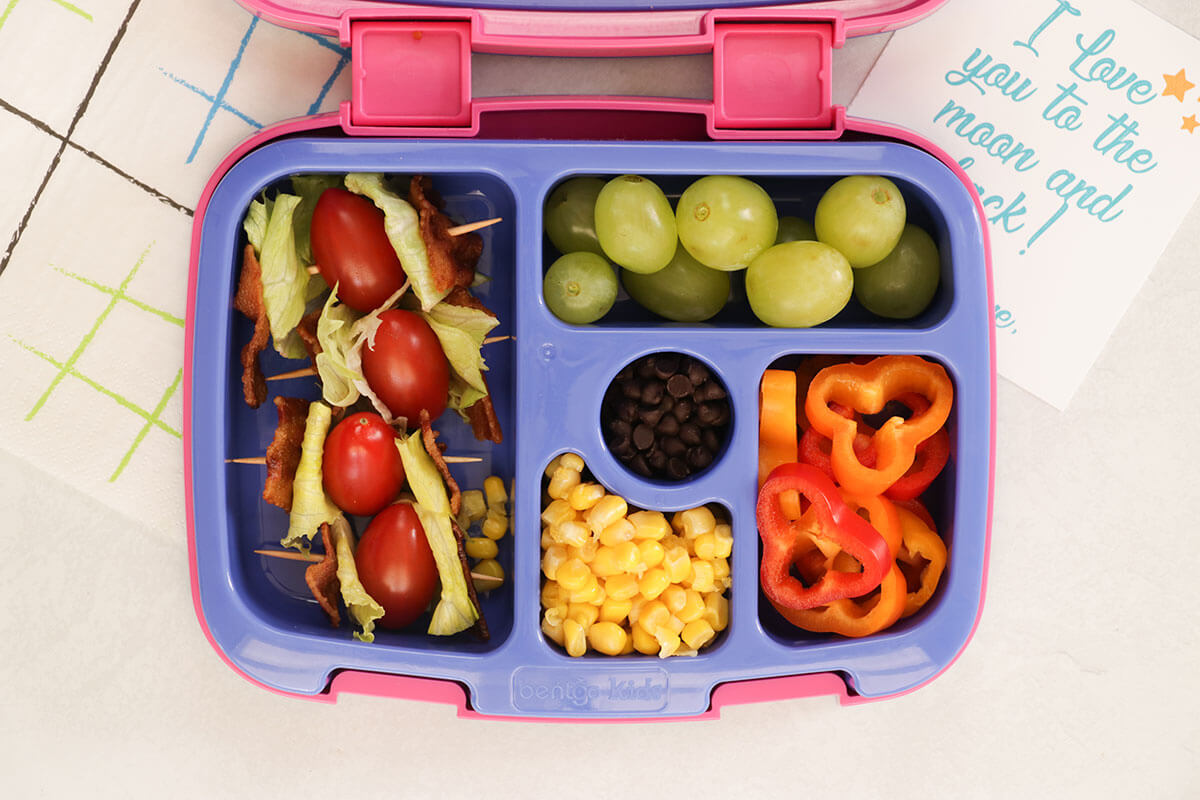
Bento-style lunchboxes work exceptionally well because they allow families to provide variety in a single container without overwhelming children with large portions. Including compartmentalized servings of vegetables, a protein roll-up, a whole-grain carbohydrate, and a small sweet or crunchy item ensures nutritional completeness. Use cookie cutters to make shaped sandwiches, or add pickled vegetables and fresh herbs to sandwiches for extra flavor interest that feels gourmet to kids. For hesitant children, hide vegetables in wraps or minced fillings where the texture is less apparent, so they gradually accept new tastes. Rotating protein sources from eggs to fish, poultry, and plant-based options broadens nutrient exposure and prevents menu fatigue. Consistency and variety in lunch packing reinforce healthy routines while making midday meals something children look forward to opening and eating.
Sweet Treats Made Healthy
Treats inevitably hold a special place in a child’s diet, and making them nutrient-conscious preserves the celebratory moment without undermining balanced eating. Substituting whole-grain flours, reducing refined sugar, and relying on fruit purees for moisture create muffins and cookies that offer fiber and real fruit content. Incorporating ingredients like mild nut butters, seeds, or small amounts of finely chopped nuts adds essential fats and a satisfying crunch that helps kids feel fuller. Portion control is important to keep treats occasional and to frame them as part of a balanced approach rather than daily indulgences. Teaching children about ingredients while baking together empowers them with skills and increases the likelihood they will enjoy the result. When families plan for the occasional treat, cravings are less likely to derail healthier meal patterns during the week.
Frozen fruit bars and yogurt pops let children enjoy bright flavors and cool textures while delivering vitamins and calcium, especially during warmer seasons. Layering pureed mango or berries with a creamy yogurt base in small molds creates colorful, low-sugar popsicles children love to hold and eat. Baked apples or pears with a lightly spiced oat and nut crumble satisfy the desire for warmth and sweetness without saturating a child’s diet with added sugars. Making treats at home allows parents to experiment with ingredient swaps such as applesauce for oil and mashed banana for sugar, keeping taste and texture intact. Presentation matters, so using fun molds, bright napkins, and playful names for treats increases excitement and reduces perceived deprivation. These small rituals around dessert help normalize moderation and connect special foods with family rituals rather than compulsive snacking.
Introducing Superfoods in Kid-Friendly Ways
The word superfood can sound intimidating, but it can simply mean foods that provide concentrated nutrients and make good additions to family recipes. Learning macadamia nut nutritional facts gives parents a clear view of how a small serving contributes monounsaturated fats, trace minerals, and a creamy texture to dishes. Because these nuts are naturally rich in healthy fats, combining them with fiber-rich ingredients balances blood sugar and improves satiety when portions are appropriate. Their gentle, buttery flavor makes macadamias easy to introduce in blended spreads, crushed toppings, or as a complement to sweet fruit bowls. When introducing superfoods to children, gradual and repeated exposure, often mixed with familiar ingredients, yields the best long-term acceptance. Ensuring variety in the diet prevents reliance on single foods and exposes young palates to a mosaic of nutrients across seasons.
Crushing macadamias to create a fine coating for baked chicken or fish is a clever way to add flavor without changing the dish’s overall profile. Mixing a small number into granola bars, yogurt toppings, or oat-based breakfast bars stretches their usefulness across snacks and meals. For safety, always adapt whole-nut servings for younger children according to age-appropriate guidelines and school policies to avoid choking risks. Families with allergies should consult pediatric guidance and explore seed alternatives such as pumpkin or sunflower seeds that offer similar crunch and nutrients. Trying new ingredients alongside favorites, such as mixing crushed nuts into a beloved cereal, reduces resistance and builds familiarity over time. With these techniques, parents can harness the nutrient density of superfoods while maintaining the fun and simplicity children expect from their meals.
Building Healthy Eating Habits for the Future
The habits children form around food during early years often carry into adolescence and adulthood, so establishing balanced routines is a long-term investment in health. Including children in tasks like meal planning, grocery selection, and basic cooking fosters competence and curiosity about the foods they will eat. Conversations about how food fuels the body, why variety matters, and how flavors combine help demystify nutrition without overwhelming young minds. Modeling balanced portions and a relaxed attitude toward food shows children that nourishment and enjoyment can coexist without rigid rules. Encouraging mindful eating, such as pausing between bites and noticing fullness cues, supports self-regulation and reduces overeating tendencies. Over time, these practical experiences shape preferences and promote lifelong habits that support both physical and emotional well-being.
Schools and local community programs can reinforce home practices by offering hands-on activities and exposure to diverse, wholesome ingredients. When educational messages from schools align with family routines, children receive consistent cues that normalize healthy choices across settings. Food companies and producers who prioritize transparent sourcing and simple ingredient lists make it easier for caregivers to choose high-quality, convenient options. Simple household strategies such as scheduling family meals, offering a predictable pattern of snacks, and keeping tempting processed foods out of regular reach are effective. Celebrating small wins and maintaining patience when children reject a new food at first encourages gradual curiosity rather than punitive approaches. By centering nourishment, variety, and shared experiences, parents support children in becoming confident eaters who value both health and enjoyment.
To Sum Up
Crafting meals that are both nutritious and appealing for children does not require an overhaul of family life, only thoughtful swaps and playful presentation techniques. Simple approaches such as whole-grain bases, colorful produce, and small amounts of crunchy finishing touches can transform daily eating into a foundation for health. Caregivers who involve children in cooking and food selection often find that tastes expand more quickly and mealtime conflicts decline. Choosing reputable food products and local ingredients supports both convenience and a commitment to ingredient quality in busy households. With consistent routines and varied options, families can ensure children receive the nutrients necessary for growth, focus, and active play. These small investments in meal creativity and education yield lifelong benefits beyond the immediate satisfaction of a single meal.
Treats remain part of family life when prepared thoughtfully and served in moderation, reinforcing a balanced relationship with food rather than strict prohibition. From colorful breakfasts to smart snacks and lunchbox upgrades, the goal is to create meals that feel both familiar and nourishing. As children grow, offering choices, modeling balanced portions, and celebrating food exploration help them build confidence and independence around eating. Families can make steady progress by embracing variety, planning, and keeping mealtime as a shared and joyful part of the day. Start with a single change this week, like swapping refined grains for whole grains or introducing a new topping, and observe the ripple effects on family habits. With patience and creativity, caregivers will cultivate a generation of children who approach food with curiosity, balance, and appreciation.