
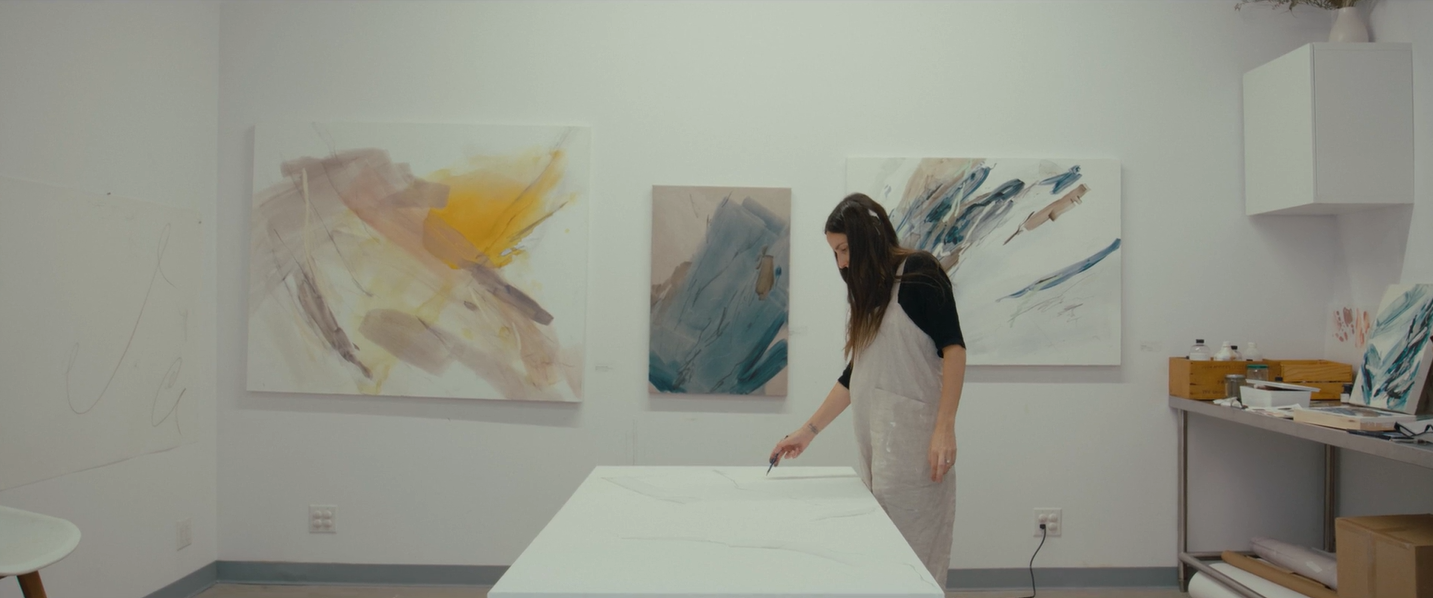
In a media landscape where stories about hearing loss are often framed through a singular lens, a new documentary is shifting the narrative. HEARD, the feature debut from filmmaker Brian Ceci, arrived in Vancouver this April with a deeply personal exploration of identity—one that shines a light on a community that has long existed in between.
Premiering to a sold-out audience at the Rio Theatre on April 14, 2026, with an additional screening added on April 19 due to overwhelming demand, the film’s debut signaled more than just audience interest—it reflected a growing need for representation and conversation.
A Story Rooted in Lived Experience
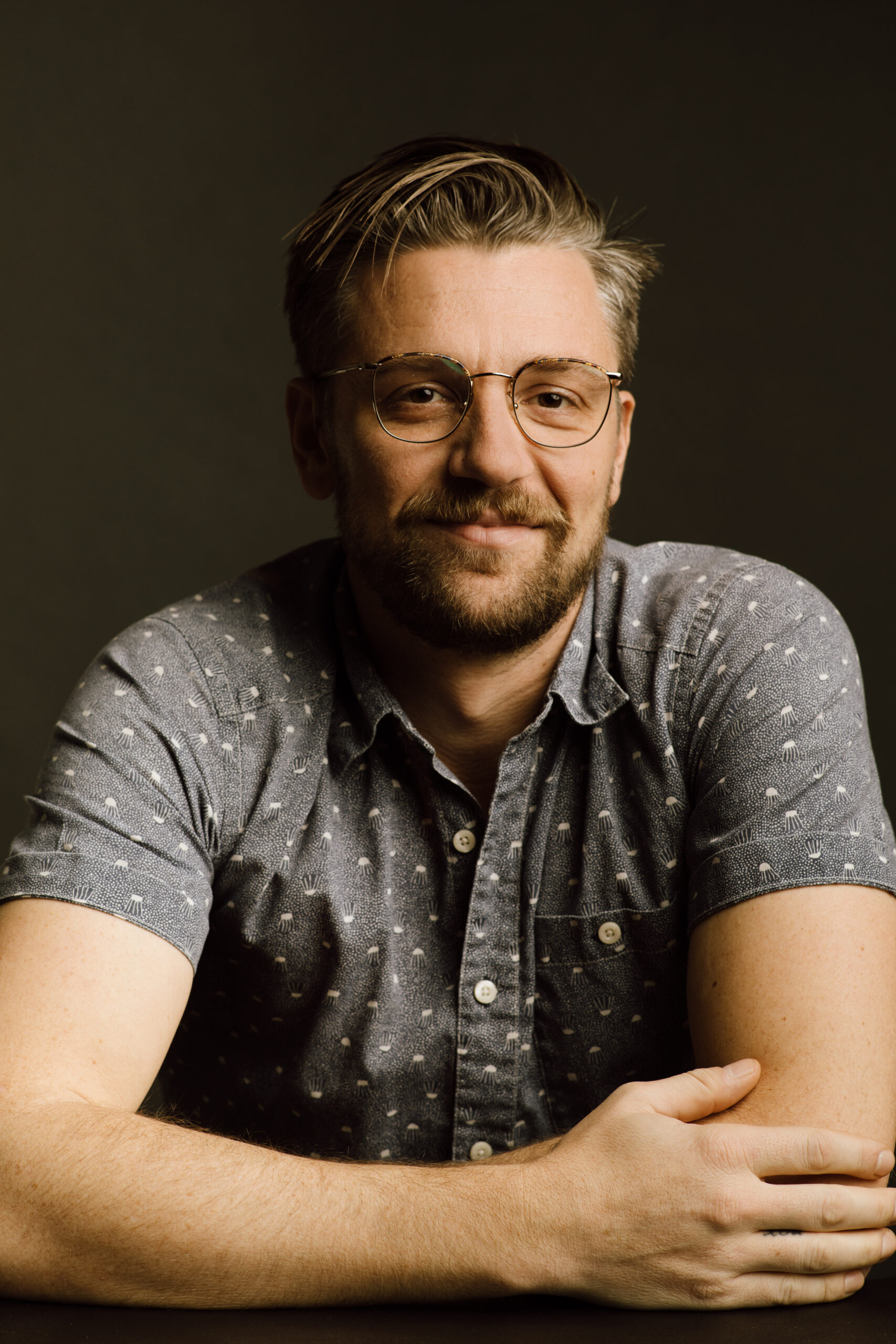
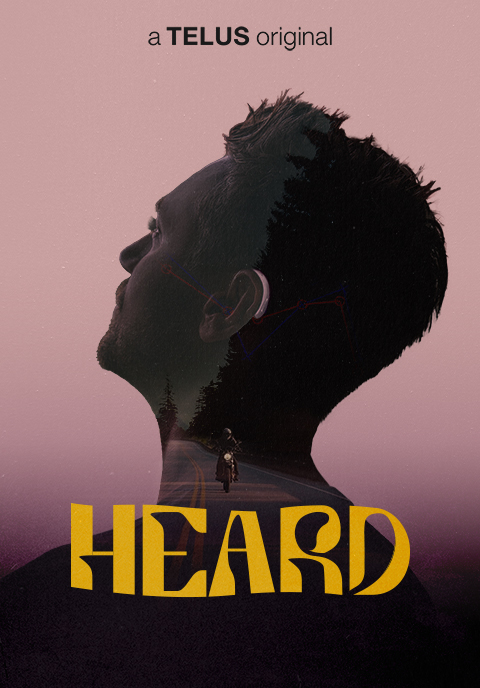
At its core, HEARD follows Ceci himself, a Hard of Hearing (HoH) filmmaker navigating his own journey toward acceptance.
Rather than positioning hearing loss within familiar narratives, the documentary focuses on a space that is rarely explored—the spectrum between hearing and Deafness. It is within this in-between that many individuals live, yet their stories often go untold.
Through intimate vérité footage, archival family recordings, and candid interviews, the film captures the emotional and social complexities of belonging to a community that is not always clearly defined. It is both a personal reflection and a collective portrait, shaped by voices that share similar experiences but not identical ones.
Exploring a “Voiceless” Cultural Space
What makes HEARD particularly compelling is its focus on the cultural gap that exists between hearing and Deaf communities.
While Deaf culture has long established its own language, traditions, and identity, those who are Hard of Hearing often find themselves navigating both worlds—without fully belonging to either. Ceci’s film addresses this absence directly, bringing visibility to a group that has historically been overlooked in mainstream storytelling.
His perspective is shaped by his own upbringing with hearing aids, and a realization that stories like his were rarely seen on screen. The film becomes, in many ways, an answer to that absence—a way of creating space where none previously existed.
A Community-Driven Narrative
Produced by Ruckus Machine Pictures in association with Transient Films & Windowbox Media, HEARD reflects a broader commitment to impact-driven storytelling.
Producer Jamila Pomeroy emphasizes this mission, highlighting the importance of centering underrepresented communities—not as occasional subjects, but as the foundation of the narrative. The film features voices from across the HoH spectrum, including Kelsie Grazier, Laurie M Landry, Ruzzelle Gasmen, and Joseph Martin, each contributing to a layered and authentic portrayal of shared experience.
Shot in Vancouver, the documentary is grounded in both place and perspective, creating a sense of immediacy that resonates throughout.
Accessibility at the Forefront
In keeping with its subject matter, the film’s theatrical screenings were designed with accessibility as a priority rather than an afterthought.
Audiences experienced the film with open captions, American Sign Language (ASL) interpretation, and Auracast audio technology for hearing aid users, with support from the Wavefront Centre for Communication Accessibility. The post-screening Q&A also included accessible features, ensuring that the conversation extended beyond the film itself.
The evening further evolved into a space for connection, with the Canadian Hard of Hearing Association hosting a gathering for attendees to meet, share experiences, and build community.
From Screenings to Wider Access
Following its theatrical debut, HEARD expanded its reach beyond the cinema.
As a TELUS Originals production, the film became available for free on demand starting April 21, 2026, through TELUS Optik TV and TELUS Stream+. This distribution model reflects a commitment to accessibility not just in format, but in availability—ensuring the film can reach audiences who may not have access to traditional theatrical experiences.
A Film That Redefines Representation
Statistics Canada estimates that more than one in seven Canadians live with some degree of hearing loss. Yet, despite this prevalence, stories reflecting partial or progressive hearing loss remain largely absent from mainstream media.
HEARD addresses this gap with clarity and compassion, offering a narrative that feels both deeply personal and widely relevant. It challenges audiences to reconsider how society defines communication, inclusion, and identity.
A Story That Resonates Beyond the Screen
More than a documentary, HEARD is an invitation—to listen, to understand, and to recognize a spectrum of experiences that often go unseen.
By centering voices that have long been overlooked, Brian Ceci has created a film that not only tells a story, but expands the conversation around it. And in doing so, HEARD ensures that a community that has existed in the margins is finally, and powerfully, brought into focus.
For more information, visit here.
Stay tunned with me:
She’s All Over the Place Podcast
Click on Instagram