
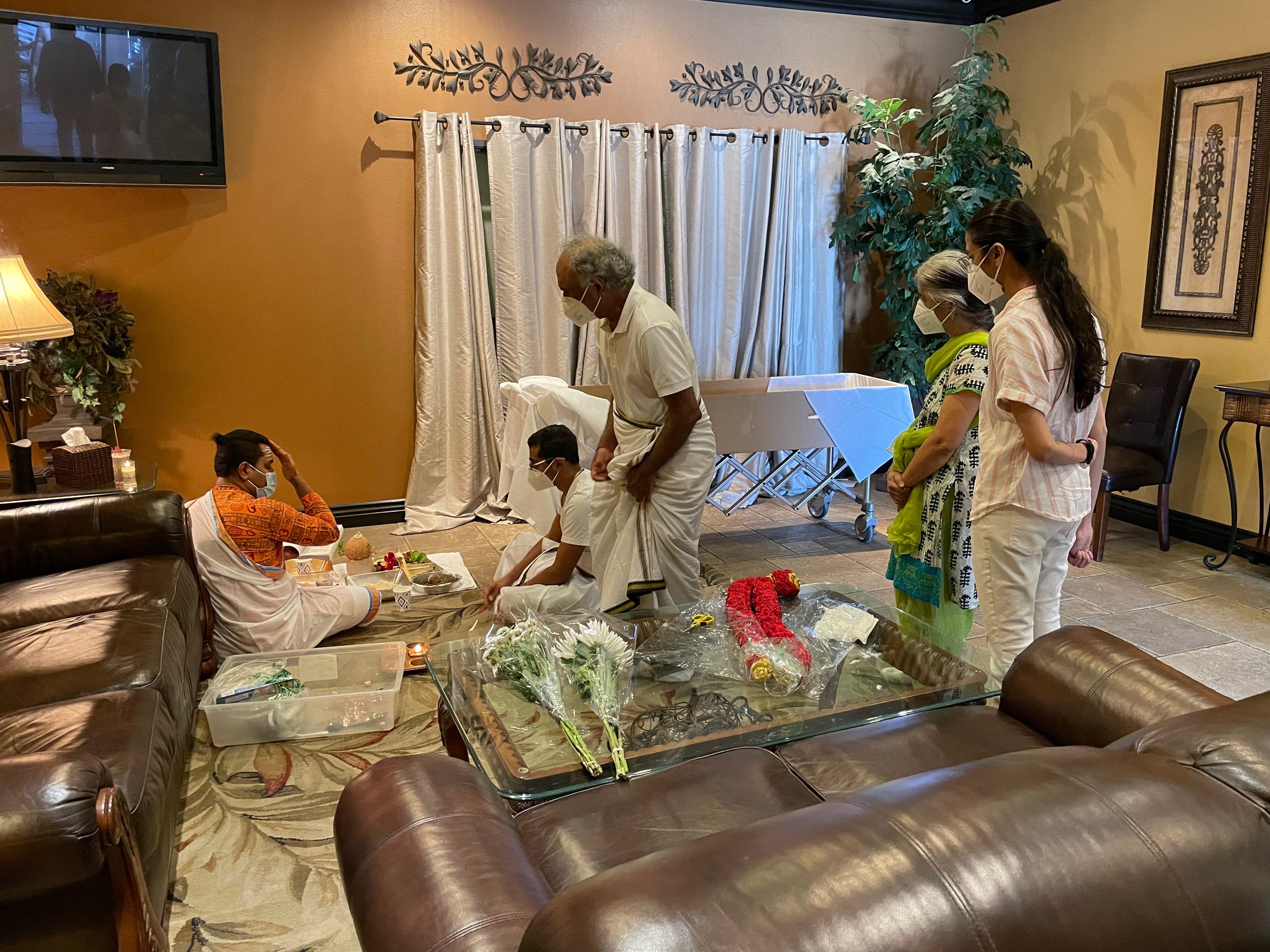
Finding the right funeral provider who understands Hindu traditions is crucial for families honoring their loved ones in Southern California. Hindu cremation southern california services offer families authentic ceremonial options that respect ancient customs while complying with local regulations. These specialized services ensure proper rituals are performed with dignity and cultural sensitivity during difficult times. In this comprehensive guide, we’ll explore everything you need to know about Hindu cremation services and how to arrange meaningful ceremonies in Southern California.
What Is Hindu Cremation Southern California?
Hindu cremation southern california refers to traditional Hindu funeral and cremation services performed according to ancient Vedic customs at funeral homes and crematories throughout the Southern California region. In Hindu tradition, cremation is considered essential for releasing the soul from the physical body and facilitating its journey to the next life. The practice follows specific rituals including body preparation, ceremonial prayers, and the presence of family members during key moments of the service.
Southern California funeral homes experienced in Hindu customs work closely with families and Hindu priests to ensure all traditional requirements are met properly. Services typically include washing and dressing the body in traditional clothing, applying sacred marks, and placing the deceased in an open casket for final viewing before cremation. Family members often participate in circumambulation rituals and may witness the cremation process beginning. These services accommodate both traditional Hindu families and those seeking to blend customs with American funeral practices.
Why Choose Hindu Cremation Southern California for Your Family?
Choosing hindu cremation southern california provides numerous meaningful advantages for Hindu families seeking to honor their loved ones according to traditional religious customs. Professional funeral providers understand the importance of specific rituals like antyesti ceremonies, prana pratishtha, and the collection of ashes for subsequent religious ceremonies. This cultural competence ensures families can focus on grieving and supporting each other rather than worrying about procedural details.
How Does Hindu Cremation Ceremony Work?
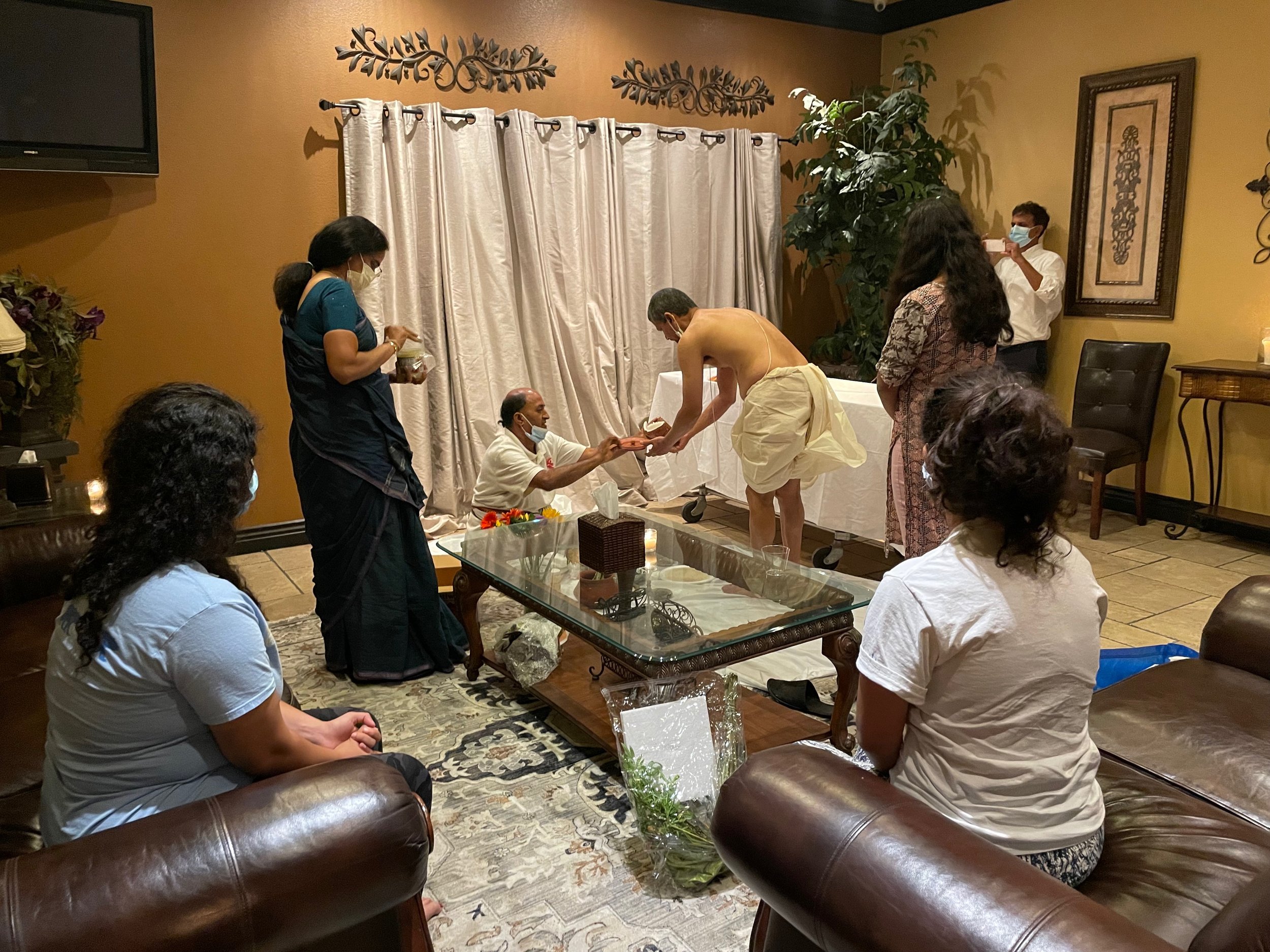
Hindu cremation ceremony works through a carefully structured sequence of rituals that honor the deceased while following ancient Vedic traditions adapted for modern funeral home settings. The process begins with body preparation where the deceased is washed, typically by family members or funeral staff following family guidance, and dressed in traditional clothing often including white garments symbolizing purity and peace.
Sacred items including flowers, garlands, and religious symbols are placed with the body, and a tilak or sacred mark may be applied to the forehead. The body is then placed in an open casket for family viewing and final prayers led by a Hindu priest or family elder. Family members perform pradakshina, walking around the casket in a clockwise direction as a final act of respect. During cremation, the eldest son or designated family member may witness the beginning of the cremation process and often initiates it by pressing a button or viewing through a window. After cremation, ashes are collected and typically immersed in sacred water during a separate ceremony.
What Rituals Are Included in Hindu Cremation Services?
Hindu cremation services include numerous specific rituals that vary somewhat by regional traditions, family customs, and specific Hindu denominations throughout Southern California. Core rituals include the antyesti ceremony which encompasses all final rites from death through cremation, including body preparation, prayers, and the cremation itself. Mantras and shlokas are recited throughout the ceremony by priests or family members to guide the soul’s journey.
The mukhagni ritual involves the lighting of the funeral pyre or cremation chamber by the chief mourner, typically the eldest son or closest male relative. Pind daan ceremonies may be performed where rice balls are offered to honor ancestors and assist the soul’s transition. Family members often bring flowers to place on the casket, and some traditions include breaking clay pots symbolizing the impermanence of physical life. After cremation, the asthi sanchayana ceremony involves collecting bone fragments and ashes which are later immersed in sacred rivers or oceans. Many families also hold shraddha ceremonies on specific days following cremation to continue honoring the deceased.
How to Plan a Hindu Cremation Service in Southern California?
Planning a Hindu cremation service in Southern California requires careful coordination of religious, logistical, and family considerations to ensure a meaningful and compliant ceremony. Start by contacting a funeral home experienced with Hindu customs who can guide you through available options, facility capabilities, and coordination with Hindu priests in your area. Discuss your family’s specific traditions as practices vary between North Indian, South Indian, and other regional Hindu communities.
Coordinate with a Hindu priest who can perform required rituals and advise on timing considerations, as Hindu traditions often specify auspicious times for certain ceremonies. Consider which family members will participate in specific rituals and ensure the facility can accommodate your expected guest count. Plan for post-service gatherings where families often share meals and memories, as community support is central to Hindu mourning traditions. Arrange transportation for family members, particularly elderly relatives, and consider live-streaming options for relatives unable to attend in person. Work with your funeral director to create a comprehensive plan that honors traditions while managing practical details during this difficult time.
Conclusion
Hindu cremation southern california offers families meaningful, culturally appropriate services that honor ancient traditions while providing professional support during difficult times. By understanding the rituals, selecting experienced providers, and planning carefully, families can create dignified ceremonies that respect their faith and celebrate their loved one’s life. The investment in knowledgeable funeral services pays dividends in peace of mind, knowing your loved one’s final journey was handled with cultural sensitivity and care.