
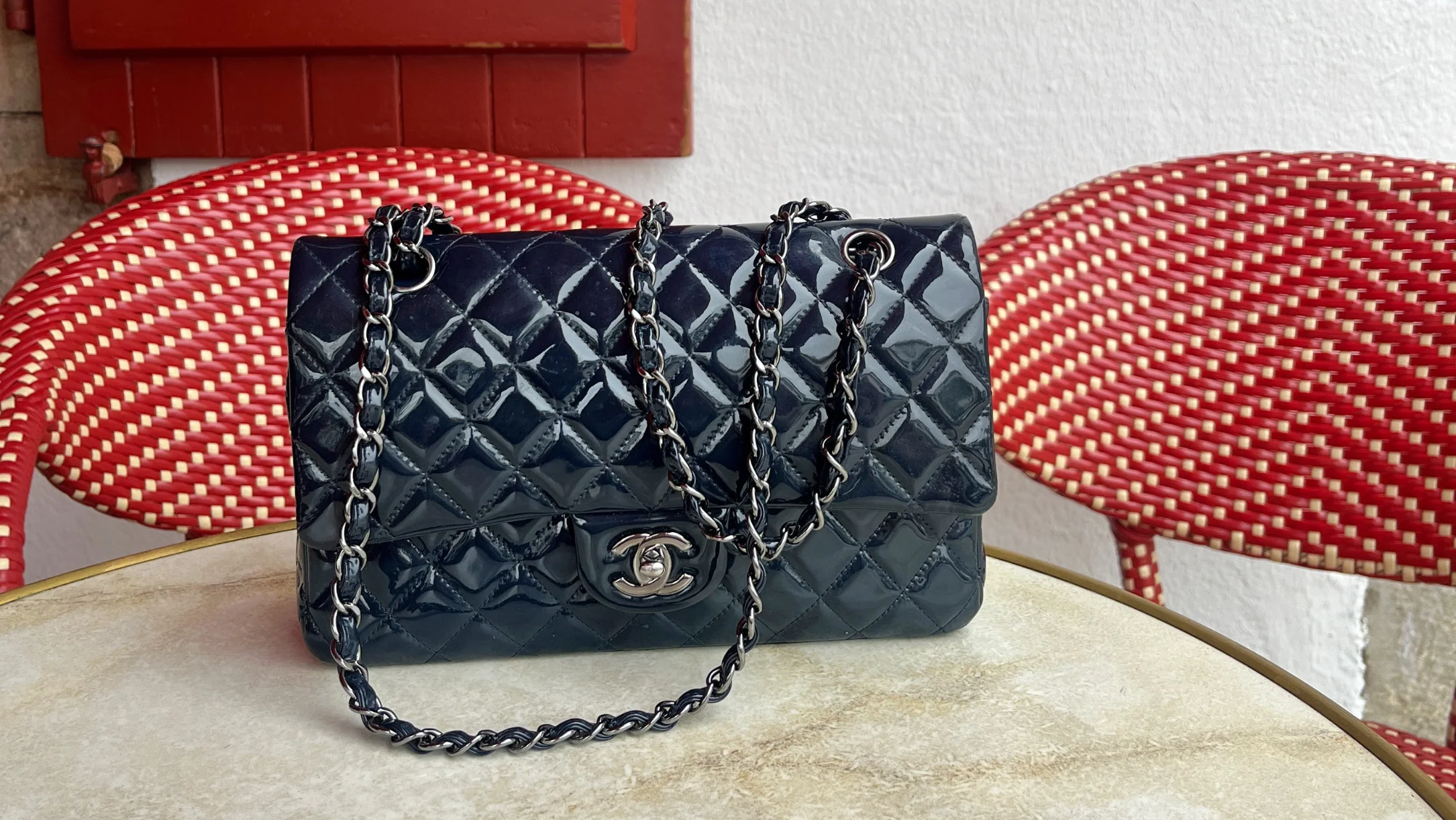
Prices for vintage designer bags rarely stay the same throughout the year. They often rise during peak shopping seasons, like the holidays, and level out in slower months as demand cools. Limited-edition releases, style trends, and market supply also shift values throughout the year. Prices usually climb in late fall and early winter, when buyers seek luxury gifts and rare pieces become harder to find.
Seasonal fashion cycles also shape resale trends. As new collections appear, older styles sometimes dip in price before regaining value later as “vintage” pieces. Savvy collectors study these shifts to time their purchases or sales, taking advantage of predictable fluctuations that many overlook.
Understanding how prices move across the year gives collectors a strategic edge. It helps identify the best time to buy, sell, or hold onto prized handbags, whether for personal enjoyment or long-term investment.
Key Drivers of Vintage Designer Bag Price Fluctuations
Prices for collectible designer handbags change throughout the year due to timing, fashion influences, and product scarcity. Market behavior often mirrors wider economic patterns, while buyer demand shifts with seasons, trends, and the availability of rare classics.
Seasonal Cycles and Market Timing
Luxury resale cycles often follow seasonal demand. Prices tend to rise in early spring and late fall, when new fashion releases and holiday shopping create spikes in interest. Auction houses and online resale platforms coordinate listings with these periods to capture peak attention.
Limited-time promotions can add short-term volatility. For example, a winter sale may temporarily lower prices, but rare styles quickly rebound once supply tightens. Seasonal travel also affects pricing. European markets usually see stronger summer demand from international buyers, leading to short-lived price jumps.
Collectors planning to purchase a vintage bag from Fashionica often monitor these cycles to time transactions carefully. The goal is not only to find an authentic piece but also to purchase at a cost that reflects both value and timing efficiency.
Impact of Fashion Trends and Cultural Moments
Consumer perception directly shapes value. A sudden celebrity endorsement or viral appearance of a designer bag can cause immediate price inflation across resale platforms. These cultural moments may last weeks, yet they leave a lasting impression on value trends.
Color palettes and style revivals add further movement. Neutral shades like tan and black maintain steady interest, while bolder hues experience sharp seasonal highs. Trend-driven spikes can double resale prices for certain collections, then fade once the spotlight moves on.
Social media accelerates this process. Short-form videos and influencer exposure can increase demand faster than supply adjusts. As a result, collectors pay close attention to fashion cycles before investing in any vintage model, knowing a trend shift can reverse gains just as quickly.
Brand Reputation and Iconic Models
Brand identity defines both retail and vintage value. Heritage names with long histories of craftsmanship command stronger premiums. Iconic models that retain signature shapes or recognizable hardware often show stable demand, which shields them from market dips.
Price performance also relates to how brands handle scarcity. Some maintain controlled production to preserve desirability. As older styles retire, buyers compete for limited examples, pushing values higher. Collectors track changes in design and availability to predict these increases.
For investors, brand continuity means more than style. It represents consistent quality that supports future appreciation. Bags from legacy lines often outperform trend-based pieces, largely due to historical credibility and the perception of timeless appeal.
Authentication, Condition, and Rarity
Authenticity remains a top concern for buyers because even minor doubts lower market value. Verified authenticity certificates, serial numbers, and expert reviews all add measurable value to vintage pieces. Counterfeits, even high-quality ones, quickly erode buyer trust and market stability.
Condition also plays a major role. Bags rated in “excellent” condition can sell for up to 50% more than those with visible wear. Restoration work helps preserve investment potential but must be disclosed accurately to avoid misrepresentation.
Rarity gives collectors their highest returns. Limited editions, discontinued styles, and regional exclusives often appreciate faster than standard-release models. Resellers and collectors pay close attention to production runs and archived catalogues, as scarcity directly shapes both short- and long-term pricing behavior.
Strategic Buying, Selling, and Market Trends in Vintage Bags
Seasonal price shifts in the vintage bag market reflect patterns in luxury resale activity, consumer demand, and how platforms handle listings and commissions. Buyers and sellers can gain an advantage by understanding how each marketplace, brand, and time of year influences both short-term resale values and long-term investment potential.
Platforms and Online Marketplaces Shaping Yearly Prices
Marketplace behavior plays a major role in how pre-owned designer bag prices fluctuate across the year. Luxury consignment platforms such as The RealReal and Vestiaire Collective often control pricing trends through seller fees, authentication processes, and inventory timing. In contrast, peer-to-peer resellers and smaller boutiques may show faster price shifts because they adjust to consumer interest almost daily.
Data from the last few years suggests that higher-end marketplaces sell fewer but more expensive items. For example, average resale prices on premium platforms often exceed $600 because they list luxury brands like Hermès, Chanel, and Louis Vuitton, which hold their value longer. However, seller dissatisfaction with high commissions can slow inventory flow and reduce marketplace activity.
Holiday seasons and fashion week months often show higher traffic for both sellers and buyers. Collectors look for rare “It Bags,” while platforms use marketing events to spotlight limited releases. A slower summer period usually follows, offering buyers an opportunity to find deals as sellers clear old inventory.
How Resale and Sustainability Accelerate Value Changes
Sustainability has become a driving force behind resale market expansion. Many buyers now see pre-owned designer bags as a responsible choice within the circular economy. This perspective reduces fashion waste and taps into consumers searching for style without adding to new production.
Luxury brands themselves support this shift by highlighting craftsmanship and longevity, which help retain resale value. Bags that age well or use durable materials hold steady prices even during market dips. In addition, awareness of sustainable fashion trends draws a broader audience, increasing traffic across multiple resale channels.
As buyers grow more selective, price stability improves for models that balance aesthetics and endurance. Collectors often favor classic designs rather than trendy shapes, leading to predictable returns and steadier annual appreciation.
Investment Tips for Collectors and Sellers
Smart investment in vintage bags depends on observing market timing, authenticity, and condition. Sellers achieve better results by listing high-demand brands early in each season, before market saturation occurs. On the other hand, strategic buyers target off-peak months, particularly after large fashion releases, to secure lower entry points.
Condition ratings and completeness of original packaging often change resale value by up to 20%. Limited editions and discontinued models tend to increase in price faster than regular releases. A consistent maintenance routine and proper storage also preserve material quality and improve resale gains over time.
For long-term investors, diversification across styles and decades reduces volatility. Combining timeless classics with niche designs can balance exposure while still capturing seasonal spikes in demand.
Conclusion
Vintage designer bag prices move with both market demand and consumer interest throughout the year. They often rise during peak shopping seasons such as spring and late fall, as collectors and buyers look for rare pieces. In slower months, sellers may lower prices to attract attention and maintain sales.
Economic conditions also shape this market. Factors such as inflation, currency shifts, and material costs affect how sellers price items across platforms. Buyers sometimes delay purchases during uncertain financial periods, which leads to brief dips in value.
The balance between supply and demand stays central. Limited editions or discontinued styles usually hold steady prices, while trendy pieces lose momentum faster. Therefore, timing and brand legacy often decide the level of resale return.
These trends show that the vintage bag market behaves like a living ecosystem. Prices rise, fall, and adjust as consumer habits and global realities change. Knowing these patterns helps both collectors and sellers make informed, practical choices.