
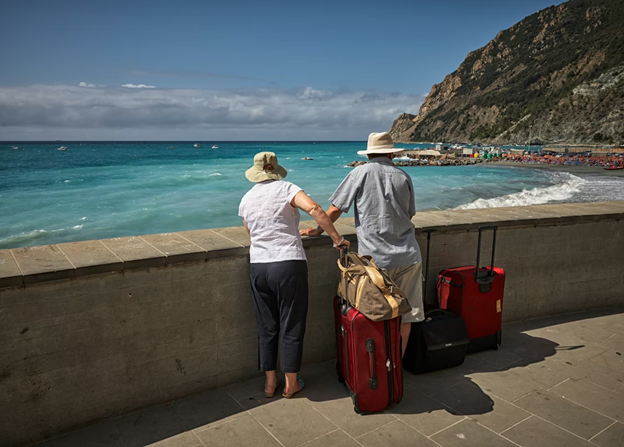
Traveling abroad for the first time is both exciting and overwhelming. Planning reduces stress and allows travelers to focus on enjoying the experience. From packing to logistics, preparation is key to a smooth journey.
Understanding your destination before departure is important. Research local customs, weather, and transportation options to avoid surprises. Knowing practical details can make navigation and daily activities more comfortable.
Preparation also involves budgeting and timing. Estimating costs for accommodation, meals, and activities prevents financial stress. Establishing a flexible schedule accommodates unexpected events while still allowing exploration.
Researching Your Destination
Gathering information about the destination ensures a more immersive experience. Learn about local culture, language basics, and popular attractions. This knowledge helps travelers engage respectfully and confidently with locals.
Consider practical details such as public transportation, local currency, and communication options. Understanding how to get around, where to exchange money, and available connectivity supports smooth navigation.
Safety considerations are important. Identifying high-risk areas, emergency contacts, and medical facilities allows travelers to plan appropriately. Staying informed helps reduce potential risks during the trip.
Managing Health and Safety
Maintaining health and safety is a top priority while traveling. Staying hydrated, eating balanced meals, and getting enough rest support well-being. Awareness of personal limits prevents overexertion.
Travelers should know basic emergency procedures and local health services. For extra precaution, it’s wise to get insured before your Thai escape or other exotic adventure. Having a safety net for unexpected events adds reassurance, though the choice to do so remains entirely personal.
Planning Your Itinerary
A well-thought-out itinerary balances structured activities and free time. Prioritize must-see attractions while leaving room for spontaneous experiences. Overpacking the schedule can lead to fatigue and stress.
Grouping nearby activities minimizes travel time and maximizes efficiency. Understanding geographic layout and transportation options improves planning. This approach allows more time to enjoy each location fully.
Including downtime in the itinerary supports mental and physical well-being. Rest periods prevent exhaustion and help travelers appreciate their surroundings. A balanced schedule ensures a more enjoyable experience.
Organizing Travel Documents
Ensuring all necessary documents are prepared is crucial. Valid passports, visas, and identification should be double-checked well in advance. Missing documentation can delay or prevent travel.
Digital copies of important papers provide an extra layer of security. Storing copies in cloud storage or email ensures access even if physical copies are lost. This simple precaution can prevent major headaches.
Organizing documents includes tickets, reservations, and emergency contacts. Keeping them accessible and in order saves time and reduces stress during transitions. A structured system makes travel smoother.
Packing Efficiently
Packing light and smart reduces hassle and improves mobility. Focus on versatile clothing suitable for various activities and weather conditions. Overpacking can be cumbersome, particularly when navigating airports or public transport.
Use organizational tools like packing cubes or labeled bags to keep belongings orderly. This makes retrieving items easier and prevents unnecessary clutter. Planning outfits by day or activity can streamline packing.
Include essentials for comfort and safety. This may involve chargers, medications, first-aid items, and travel-sized toiletries. Being prepared for basic needs allows travelers to handle minor challenges independently.
Handling Money and Finances
Managing finances carefully prevents stress while abroad. Carry a mix of local currency and secure payment methods. Understanding exchange rates and fees avoids surprises when making purchases.
Travelers can benefit from basic budgeting for daily expenses. Planning meal, transport, and activity costs ensures sufficient funds throughout the trip. Tracking spending helps avoid overspending and supports responsible travel.
Practical tools for managing money include:
- Mobile banking apps for monitoring accounts in real time
- Backup credit or debit cards for emergencies
- Small amounts of cash for local markets or areas with limited card access
These measures increase convenience and reduce the risk of financial difficulties.
Preparing for Transportation and Accommodation
Planning for transportation and accommodation reduces stress. Booking flights, trains, or buses early secures better rates and availability. Confirming details prevents last-minute surprises or delays.
Selecting accommodations that suit comfort and convenience enhances the experience. Location, amenities, and reviews help make informed decisions. Being close to public transport or key attractions saves time and energy.
Considering backup options is helpful. Contingency plans for delayed transport or fully booked lodging ensure flexibility. Planning alternatives supports a smoother journey despite unexpected challenges.
First-time travelers can enjoy a more rewarding experience with careful preparation. Researching destinations, organizing documents, and planning itineraries lay the foundation for stress-free travel.
Packing efficiently, staying mindful of health and safety, and managing finances improve both comfort and security. Balancing structure with flexibility ensures a well-rounded experience.
Considering precautionary measures, such as insurance options, can provide peace of mind during international travel. While each traveler’s choice differs, thoughtful planning enhances confidence and enjoyment.
Preparation, awareness, and adaptability are key to making the first journey abroad memorable. Travelers who approach their trip with intentionality and organization are better equipped to navigate challenges and savor every moment.