
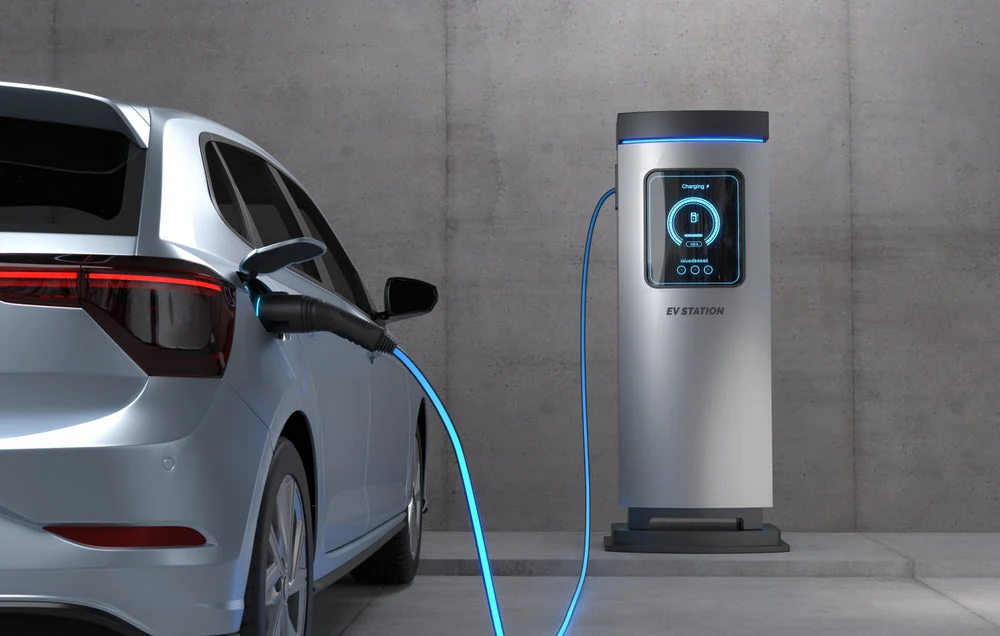
Charging an electric car at home is one of the biggest advantages of owning an EV. It is usually more convenient, more predictable, and often cheaper than relying on public charging stations or fueling a gasoline car. However, the actual cost of home charging depends on several factors such as electricity rates, battery size, driving habits, and charging efficiency.
Understanding these costs helps electric vehicle owners plan their monthly budget and estimate long-term savings more accurately. In this guide, we will break down how home charging costs are calculated, what affects pricing, and how you can reduce expenses.
What Determines the Cost of Charging an Electric Car at Home?
The cost of charging an electric car is not fixed. It varies from household to household based on key factors.
Main Factors Affecting Cost
| Factor | How It Impacts Cost |
|---|---|
| Electricity rate | Higher rates increase charging cost |
| Battery size | Larger batteries cost more to fully charge |
| Driving distance | More miles = more charging needed |
| Charging efficiency | Energy loss increases cost slightly |
| Time of charging | Peak vs off-peak rates may differ |
These factors together determine your total monthly charging expenses.
Basic Formula to Calculate Charging Cost
To estimate how much it costs to charge an electric car at home, you can use a simple formula:
Charging Cost = Battery Capacity (kWh) × Electricity Rate (per kWh)
Example Calculation:
- Battery size: 60 kWh
- Electricity rate: $0.15 per kWh
- Full charge cost: 60 × 0.15 = $9
This means it may cost around $9 to fully charge the vehicle at home.
Average Cost of Home Charging
On average, home charging is significantly cheaper than gasoline fuel costs.
Typical Monthly Estimates
- Small EV: $30–$60 per month
- Medium EV: $50–$100 per month
- Large EV SUV: $80–$150 per month
These numbers vary depending on driving habits and electricity prices.
Level 1 vs Level 2 Home Charging
There are two common types of home charging setups.
Level 1 Charging (Standard Outlet)
- Uses regular home socket
- Slower charging speed
- Lower installation cost
- Best for light daily driving
Level 2 Charging (Dedicated Charger)
- Faster charging
- Requires installation
- More efficient for daily use
- Higher upfront cost but better convenience
Level 2 charging is usually preferred for full-time EV owners.
Electricity Rates and Their Impact
Electricity prices vary by region and time of day.
Common Pricing Structures
- Flat rate per kWh
- Time-of-use pricing (cheaper at night)
- Seasonal pricing adjustments
Charging during off-peak hours can significantly reduce overall cost.
How Much Electricity Does an EV Use?
Electric vehicles typically consume between 25–35 kWh per 100 miles, depending on size and efficiency.
Example:
- Driving 1,000 miles per month
- Energy use: ~300 kWh
- Electricity rate: $0.15 per kWh
- Monthly cost: ~ $45
This is usually much cheaper than gasoline costs for similar mileage.
Home Charging vs Public Charging Cost
Home charging is usually the most affordable option.
| Charging Type | Average Cost | Convenience |
|---|---|---|
| Home charging | Lowest | High |
| Public slow charging | Moderate | Medium |
| Fast charging stations | Highest | High but expensive |
Public fast charging is useful for long trips but not ideal for daily use due to higher costs.
Cost Comparison With Gasoline Cars
Electric cars generally cost less to “fuel” than petrol or diesel vehicles.
Example Comparison:
- EV monthly charging: $60–$100
- Gas car fuel: $150–$300+
This difference is one of the biggest reasons people switch to electric vehicles.
Best Ways to Reduce Charging Costs
There are several ways to lower your home charging expenses.
Cost-Saving Tips
- Charge during off-peak hours
- Use energy-efficient driving modes
- Avoid unnecessary rapid charging
- Install solar panels if possible
- Maintain proper tire pressure
Small changes in habits can create long-term savings.
How Battery Size Affects Cost
Larger batteries store more energy but cost more to charge fully.
Battery Size Examples
- Small EV: 40 kWh → lower cost
- Medium EV: 60–75 kWh → moderate cost
- Large SUV EV: 90+ kWh → higher cost
Battery size directly affects both range and charging expense.
Charging Efficiency Loss
Not all electricity from your home reaches the battery.
Energy Loss Factors
- Heat during charging
- Charging equipment efficiency
- Battery condition
Typically, 5%–15% energy loss may occur during charging.
Long-Term Cost Benefits of EV Charging
Even with monthly electricity costs, EVs are often cheaper overall.
Long-Term Savings Include:
- No fuel purchases
- Lower maintenance costs
- Fewer engine repairs
- Reduced oil change expenses
These savings make EV ownership financially attractive.
Choosing the Right EV for Budget-Friendly Charging
When selecting an electric car, efficiency and range matter for long-term cost control.
Many buyers consider options from the category of Best Affordable Electric Cars for Long Distance Driving because these vehicles balance driving range, charging efficiency, and affordability for everyday and highway use.
Common Mistakes That Increase Charging Costs
| Mistake | Result |
|---|---|
| Frequent fast charging | Higher electricity cost |
| Ignoring off-peak rates | Missed savings |
| Poor driving habits | Increased energy use |
| Not maintaining tires | Reduced efficiency |
Avoiding these mistakes helps keep charging expenses low.
FAQs About Home EV Charging Costs
How much does it cost to fully charge an electric car at home?
It usually costs between $5 and $20 depending on battery size and electricity rates.
Is home charging cheaper than public charging?
Yes, home charging is typically the most cost-effective option.
Does electricity price affect EV charging cost?
Yes, higher electricity rates increase the cost of charging.
How often do I need to charge an electric car?
Most EV owners charge every 1–3 days depending on driving distance.
Can solar power reduce EV charging costs?
Yes, solar panels can significantly reduce or even eliminate charging costs over time.
Is overnight charging cheaper?
In many regions, off-peak night charging is cheaper than daytime electricity rates.
Final Thoughts
Charging an electric car at home is generally affordable, convenient, and significantly cheaper than fueling a gasoline vehicle. While exact costs depend on battery size, electricity rates, and driving habits, most EV owners find home charging to be a cost-effective long-term solution.