
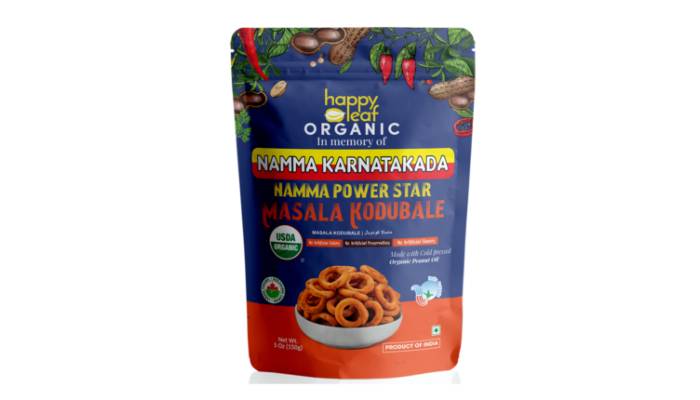
In today’s fast-paced world, where convenience often takes precedence over quality, the demand for organic Indian snacks is steadily growing. Health-conscious consumers are not only paying attention to what they eat but also to how and when ingredients are sourced. One of the biggest differentiators that sets truly organic snacks apart from their processed counterparts is the use of seasonal ingredients.
Seasonal produce doesn’t just add freshness or flavor—it brings a host of nutritional, environmental, and cultural benefits that elevate the overall value of the snack. Let’s explore how using seasonal ingredients enhances organic Indian snacks and why this approach is becoming central to sustainable eating in India.
1. Understanding the Concept of Seasonal Ingredients
Seasonal ingredients are foods that are naturally harvested at a particular time of year, depending on the region’s climate. For example, mangoes and jackfruits thrive in summer, while millets, carrots, and leafy greens are abundant in winter.
When these ingredients are used in organic Indian snacks, they deliver peak nutrition, vibrant taste, and freshness. Unlike off-season produce—which may be stored for long periods or chemically treated—seasonal ingredients come straight from the farm to the kitchen, maintaining their natural goodness.

2. The Connection Between Seasonality and Organic Farming
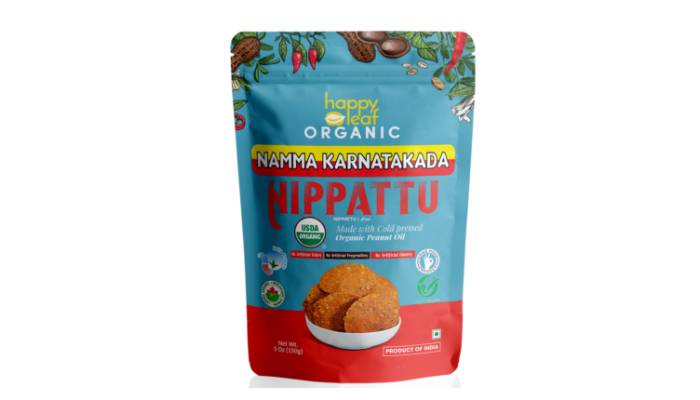
Organic farming already emphasizes natural cultivation without synthetic fertilizers or pesticides. When paired with seasonal farming practices, the result is food that is truly in harmony with nature.
Farmers who grow crops according to seasonal cycles:
- Use fewer resources like water and energy.
- Maintain healthier soil through crop rotation.
- Avoid the need for artificial preservatives.
This synergy between organic farming and seasonality ensures that the ingredients used in snacks—whether grains, pulses, fruits, or spices—are not only safe but also ecologically responsible.
3. The Nutritional Edge of Seasonal Ingredients
One of the strongest arguments for using seasonal ingredients in organic Indian snacks is the nutritional advantage. Seasonal produce is at its nutrient peak when harvested. For example:
- Summer snacks featuring ingredients like raw mango, cucumber, or coconut help cool the body naturally.
- Winter snacks made with sesame, jaggery, and millets provide warmth and energy.
- Monsoon-time snacks with herbs like tulsi or turmeric support immunity.
These natural patterns align with our body’s seasonal needs. By using ingredients that nature provides in each season, snack makers can create foods that not only taste better but also nourish more effectively.
4. The Flavor and Authenticity Factor
Authentic Indian flavors are deeply connected to seasonal ingredients. Think of til chikki in winter, mango achar in summer, or pumpkin mathri in autumn—each has its own cultural and sensory appeal tied to the season.
Using seasonal ingredients in organic snacks enhances the authenticity of Indian flavors. Consumers can enjoy real, time-honored tastes instead of artificial flavoring agents or processed ingredients. When an organic brand offers a winter special millet laddoo or a monsoon special roasted makhana with herbs, it instantly connects with people’s nostalgic food memories.
5. Sustainability: Supporting Nature’s Rhythm
Seasonal produce is naturally abundant during its peak time, meaning it requires less artificial intervention. This supports sustainability in multiple ways:
- Reduced carbon footprint: No need for cold storage or long-distance transport of off-season produce.
- Less waste: Produce is used at its freshest, reducing spoilage.
- Support for local farmers: Seasonal sourcing strengthens local economies and ensures fair trade.
When brands that make organic Indian snacks commit to seasonal sourcing, they contribute to a food system that is both people- and planet-friendly. Consumers, in turn, become part of this positive cycle every time they choose such snacks.
6. Examples of Seasonal Organic Indian Snacks
Let’s look at a few ways snack makers are bringing this philosophy to life:
a. Winter Specials: Millets and Seeds
Winter is the season for warming ingredients like bajra, sesame, and jaggery. Organic snack makers often craft treats like:
- Til gur chikki (sesame and jaggery bars)
- Bajra laddoos enriched with ghee and nuts
- Roasted seed mixes with flaxseed, sunflower, and pumpkin seeds
These not only satisfy sweet cravings but also provide essential minerals and healthy fats that the body craves during colder months.
b. Summer Refreshers: Fruits and Cooling Ingredients
In the heat of summer, the focus shifts to hydration and light snacking. Organic snacks may feature:
- Coconut-based bars with dry fruits
- Raw mango-spiced makhana
- Dried fruit trail mixes with raisins, dates, and cashews
These snacks are naturally cooling, helping maintain body balance and energy levels during hot weather.
c. Monsoon Comforts: Spices and Immunity Boosters
The rainy season brings humidity and risk of infections. Seasonal organic snacks often include ingredients like turmeric, ginger, and black pepper. Examples include:
- Turmeric roasted nuts
- Ginger-infused granola clusters
- Spiced chickpea crisps
These not only satisfy the craving for something crunchy during the rains but also support immunity naturally.
7. The Cultural and Emotional Connection
India’s relationship with food is not purely nutritional—it’s deeply emotional and cultural. Every season brings its own festive foods and rituals. By using seasonal ingredients, organic Indian snacks rekindle those traditions in modern, convenient formats.
For instance:
- During Makar Sankranti, til and jaggery-based snacks connect with heritage.
- In summer, mango-based snacks remind us of homemade aam papad and pickles.
- In festive months, snacks with cardamom, dry fruits, and ghee recreate celebratory flavors.
This emotional connection enhances consumer satisfaction and loyalty, making seasonal organic snacks more than just a health trend—they become part of people’s lifestyles.
8. The Economic Benefit for Local Farmers
Another major advantage of using seasonal ingredients is the support it provides to local organic farmers. Seasonal sourcing allows farmers to sell produce at fair prices without resorting to harmful off-season practices or chemical treatments.
When snack brands commit to buying fresh, organic ingredients seasonally, they:
- Encourage crop diversity.
- Create steady, local markets.
- Reduce dependency on imported or industrially produced raw materials.
This builds a sustainable economy around food—benefiting everyone from growers to consumers.
9. How Consumers Can Make the Most of Seasonal Organic Snacks
Here are some practical ways consumers can embrace this idea in everyday snacking:
- Check labels: Look for snacks that mention seasonal ingredients or limited-edition batches.
- Buy local: Choose brands that source ingredients from nearby organic farms.
- Rotate snacks by season: Enjoy millet- or sesame-based snacks in winter, fruit-based ones in summer.
- Avoid overly processed items: Real seasonal snacks don’t need artificial flavoring or preservatives.
By making mindful choices, consumers can experience better health and contribute to environmental sustainability simultaneously.
10. The Future of Organic Indian Snacks
The future of organic Indian snacks lies in reconnecting people with the rhythms of nature. As awareness grows, consumers are demanding transparency, authenticity, and sustainability from brands. Seasonal sourcing checks all these boxes—it’s a win for health, environment, and culture.
Forward-thinking snack brands are already innovating in this space, crafting seasonal snack boxes, limited-edition flavors, and regionally inspired blends. This evolution not only revives traditional Indian wisdom but also aligns perfectly with modern values of conscious living.
Conclusion
The true beauty of organic Indian snacks lies in their simplicity and integrity. When they are crafted using seasonal ingredients, they deliver unmatched freshness, nutrition, and authenticity. Beyond being a healthy choice, they represent respect for nature’s timing, local farmers, and cultural roots.