
Simple home repairs often seem minor at first glance, yet small issues tend to grow when ignored. A loose hinge, a dripping pipe, or a cracked tile might not look urgent, though each can create a chain of damage that leads to larger bills. A home stays stronger when owners decide to address concerns as they appear, keeping everything from plumbing to structural elements in steady shape. These small steps guard against stress, reduce costs, and help maintain the comfort and safety of the space. Taking action early often shifts the balance from major repairs to quick fixes, making upkeep far more manageable.
Catching Leaks Early
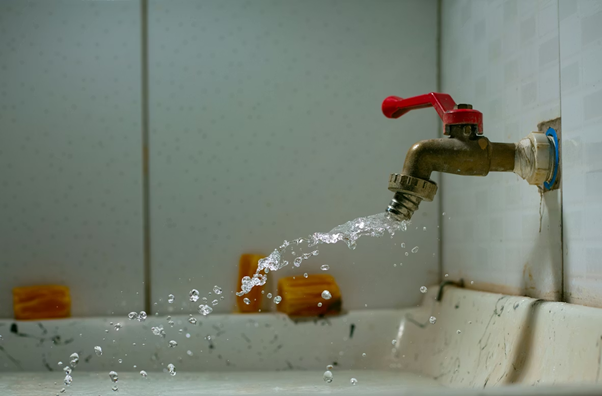
Water has a way of spreading quietly through a home, and the earliest signs often hide behind walls or beneath cabinets. A tiny drip beneath a sink or a faint stain along the ceiling signals the need for fast attention, since damp surfaces can weaken wood, stain drywall, and create unwanted odors. Homeowners who stay alert to these changes gain a better chance of preventing structural issues that can take weeks to correct. Small leaks might appear unthreatening, yet over time they can reach floors, insulation, and wiring. Calling a professional to fix plumbing in Saint Paul during these early moments limits damage, protects the home’s interior, and keeps repair costs under control. The sooner these indicators are addressed, the safer the entire system becomes and the lower the likelihood of extensive restoration work.
Preventing Wear Through Routine Maintenance
Homes follow natural cycles of wear and aging. Hinges loosen, vents gather dust, caulk loses its grip, and paint begins to fade or crack. When these developments receive regular attention, homeowners restore the home’s protective layers before stronger deterioration sets in. Routine tasks include tightening fixtures, refreshing caulk around tubs and sinks, lubricating door hardware, and clearing debris from gutters. Each action forms a layer of protection that keeps structural parts in steady condition.
Paint provides a clear example. A chipped surface exposes wood to light and seasonal temperature changes. Over time, this creates soft areas or warping that lead to larger repairs. A simple coat of paint fixes the issue early and keeps the underlying material intact. Many small efforts like this extend the life of the home’s core components and help owners avoid costly replacement projects later on.
Protecting Floors and Surfaces

Floors, counters, and walls interact with daily activity more than any other part of the home. Dropped utensils, shifting furniture, or spilled liquids all place pressure on these surfaces. Scratches, dents, and cracks form gradually, but their progression can speed up when left unaddressed. Repairing a scratched wooden floorboard or regrouting tile early stops the damage from spreading. Small repairs provide more lasting strength than simply covering the issue with a rug or mat.
Hardwood floors, for example, respond well to quick sanding and refinishing when marks first appear. Tile surfaces maintain their strength when grout lines stay sealed and unbroken. Countertops benefit from fast action when stains or chips occur, especially in busy kitchens where heavy objects sit on the surface for long periods. A home that receives this kind of care remains attractive longer, prevents serious structural damage, and reduces the need for large-scale resurfacing projects.
Strengthening Windows and Doors
Drafts and rattling frames may appear minor, yet these issues can affect comfort, energy bills, and structural integrity. Gaps along window edges lead to increased temperature changes indoors, placing extra strain on heating and cooling systems. A simple bead of caulk or new weather stripping keeps indoor temperatures more consistent. Over time, this reduces energy usage and helps maintain stable humidity levels.
Doors face stress each time they open or close. Hinges loosen, frames shift slightly with seasonal weather, and seals deteriorate. Repairing these small issues early stops air leakage and reduces noise transfer. Replacing damaged screens or tightening hardware gives doors and windows a sturdier feel, restoring function without the cost of full replacement. When these repairs happen early, homeowners gain smoother day-to-day operation and better overall home insulation.
Stopping Minor Structural Issues From Growing
Minor cracks along walls or ceilings often begin as harmless lines. Small shifts in temperature, settling foundations, or simple wear create these marks. Repairing them before they expand helps prevent deeper structural concerns. Plaster patching or applying joint compound corrects the issue while avoiding the need for extensive wall reconstruction later.
Stairs and railings show similar patterns. A loose step or wobbly handrail signals early wear that can turn into safety concerns if ignored. Tightening bolts or reinforcing connections strengthens these components before they become unstable. Decks, porches, and exterior walkways also benefit from early action, since small cracks or gaps expand with seasonal weather. Quick repairs keep these outdoor features steady and safe for daily use.
Simple home repairs save money, preserve comfort, and protect against unexpected emergencies. Homes remain strong when attention is paid to early indicators, and preventive work often turns major concerns into quick, manageable tasks.