
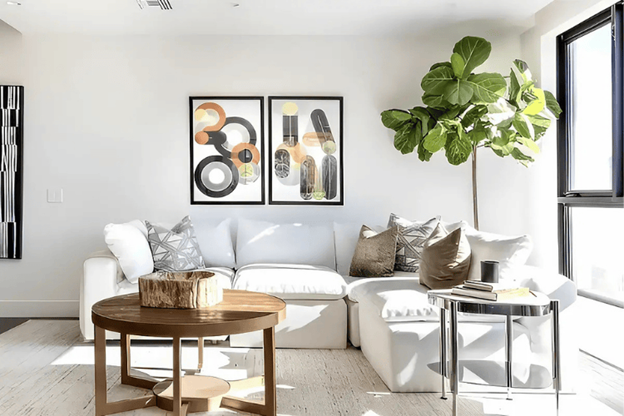
The global wellness economy reached an estimated $6.8 trillion in 2025 and is projected to approach $9.8 trillion by 2029, according to data from the Global Wellness Institute’s Global Wellness Economy Monitor 2025. While often associated with health, fitness, and nutrition, wellness increasingly extends into the home environment. Furniture, particularly seating, has become part of this broader conversation as consumers seek spaces that support comfort, mental balance, and long-term usability. Within this context, U.S.-based brand Soulfa has positioned itself within the modular sofa segment, offering cloud-style couches designed to align with these evolving expectations.
Founded in 2015, Soulfa operates within the direct-to-consumer furniture space, focusing on modular sectionals constructed from kiln-dried hardwood, memory foam, and non-toxic materials. The company presents itself as an alternative to both high-cost luxury retailers and mass-produced furniture brands. Its approach reflects a wider shift in consumer priorities, where durability, adaptability, and material transparency are becoming key decision factors.
Modular Design and Spatial Flexibility
Urban living continues to influence furniture design, particularly in cities where space constraints and building access pose logistical challenges. Soulfa’s modular system is built around individual cube units, allowing configurations such as four-seat sectionals or larger multi-cube arrangements. This structure addresses common issues associated with traditional sofas, including difficulty navigating narrow hallways, elevators, and entryways.
The company’s origin story reflects this problem directly. The company’s origin story, as described in brand materials, emerged after the founder encountered challenges fitting a large sofa into a penthouse apartment. The modular solution enables each unit to be transported separately and assembled without tools, offering flexibility for both initial setup and future reconfiguration.
This adaptability aligns with broader consumer trends. Research related to McKinsey-aligned data indicates that Gen Z and Millennials, who represent 36% of the adult population, are responsible for 41% of total wellness spending. With 41% of wellness spending attributed to these groups, demand for adaptable, long-term solutions continues to grow.
Material Transparency and Non-Toxic Construction
Material safety has become an increasingly important factor in purchasing decisions. Soulfa states that its fabrics and components are designed to exceed OEKO-TEX standards by excluding substances such as formaldehyde, flame retardants, PFAS, and lead. The brand positions its products as hypoallergenic and suitable for households with children and pets.
This focus reflects a broader shift toward health-conscious consumption. According to NIQ’s 2025 Global Health & Wellness Trends report, 70% of people say they actively manage their health, with 82% demanding more transparent labeling and 62% more wary of brands’ health claims. In the furniture category, this translates into increased scrutiny of materials, finishes, and manufacturing processes.
Industry experts have also highlighted the role of the home environment in overall well-being. Interior designer Nate Berkus has noted in interviews that “the way a space feels can directly affect how people function within it,” emphasizing the connection between material choices and daily comfort. In this context, non-toxic construction is no longer a niche feature but part of a broader expectation.
Durability and Long-Term Value
Furniture longevity has re-emerged as a key concern, particularly as consumers move away from disposable purchasing habits. Soulfa offers a 20-year structural warranty on its modular sofas, positioning durability as a central component of its value proposition. The use of kiln-dried hardwood frames and high-density foam is presented as a contrast to engineered wood and lower-density materials commonly found in mass-market products.
This emphasis on durability aligns with growing resistance to “fast furniture,” a term used to describe low-cost, short-lifespan home goods. According to market observations, consumers are increasingly willing to invest in products that offer extended usability, particularly when supported by warranties and repairable designs.
The modular structure also contributes to longevity. Instead of replacing an entire sofa, users can add or replace individual cubes as needed. This incremental approach supports both sustainability and cost management over time.
Performance Fabrics and Everyday Practicality
One of the defining features of Soulfa’s product range is its use of performance fabrics designed to resist stains and allow for easy cleaning. Covers are removable and machine-washable, with interchangeable options that enable visual updates without replacing the entire piece.
This feature addresses a practical concern for many households. Reviews frequently reference use cases involving children, pets, and frequent entertaining, where spills and wear are common. The ability to maintain appearance and hygiene without professional cleaning services adds functional value.
The broader market reflects similar priorities. Reports on consumer behavior indicate rising demand for products that combine aesthetics with practicality. The Vitamin Shoppe’s 2025 Health & Wellness Trend Report highlights growing consumer demand for functional, everyday‑friendly solutions, a shift that parallels expectations in the furniture category. In furniture, this translates into materials that support both comfort and maintenance.
Comfort Engineering and Modular Customization
Comfort remains a central factor in seating design, particularly as homes increasingly serve multiple functions, including work, relaxation, and social interaction. Soulfa incorporates memory foam inserts within its cushions, a feature less common in traditional cloud-style sofas. The combination of feather down and structured foam aims to balance softness with support.
The modular system also allows for personalized configurations. Customers can design layouts based on room size, usage patterns, and aesthetic preferences. Options range from compact four-cube arrangements suited to apartments to larger sectionals intended for open-plan homes.
This level of customization reflects broader expectations in the direct-to-consumer market, where personalization has become a standard offering. The ability to configure and expand seating over time supports changing living conditions, including relocation or household growth.
For those exploring available configurations, the brand’s range of modular sofas illustrates how these design principles translate into specific product options.
Design professionals have also commented on the growing relevance of modular seating. Architect and designer Bobby Berk has stated that “flexible furniture allows spaces to evolve without constant replacement,” highlighting the long-term benefits of adaptable systems.
Positioning Within a Changing Market
Soulfa operates within a niche segment of the furniture industry that intersects with wellness, sustainability, and direct-to-consumer retail. Its pricing strategy places it below traditional luxury brands while maintaining features associated with high-end construction. Starting prices around $6,700 position the brand within reach of middle-to-upper-income consumers who might otherwise consider alternatives priced above $10,000.
The company’s distribution model, which avoids physical showrooms, contributes to this positioning. By shipping directly from its Las Vegas warehouse, Soulfa reports delivery timelines of 7 to 10 days across North America, with additional international availability. This approach reflects a broader trend toward streamlined logistics and reduced retail overhead.
Market data suggests robust growth for mental‑wellness‑related categories, projected to expand significantly between 2024 and 2030. While furniture is not typically classified within this sector, its role in shaping daily environments places it adjacent to these trends.
As consumer expectations continue to evolve, the intersection of design, health, and functionality is likely to remain a defining factor in purchasing decisions. Soulfa’s modular approach, material transparency, and focus on longevity illustrate how furniture brands are adapting to these broader shifts.
References
Arizton Advisory & Intelligence. (2025). Mental wellness market report (2025–2030).
Berk, B. (n.d.). Public statements on modular and flexible furniture design.
Berkus, N. (n.d.). Public statements on interior design and wellbeing.
Global Wellness Institute. (2025). Global wellness economy monitor 2025.
McKinsey & Company. (2025). Future of wellness.
NielsenIQ. (2025). Global health & wellness trends report 2025.
Research and Markets. (2025). Mental well-being supplements market forecast (2025–2030).
Soulfa. (n.d.). Brand materials and official website.
The Vitamin Shoppe. (2025). Health & wellness trend report 2025.