
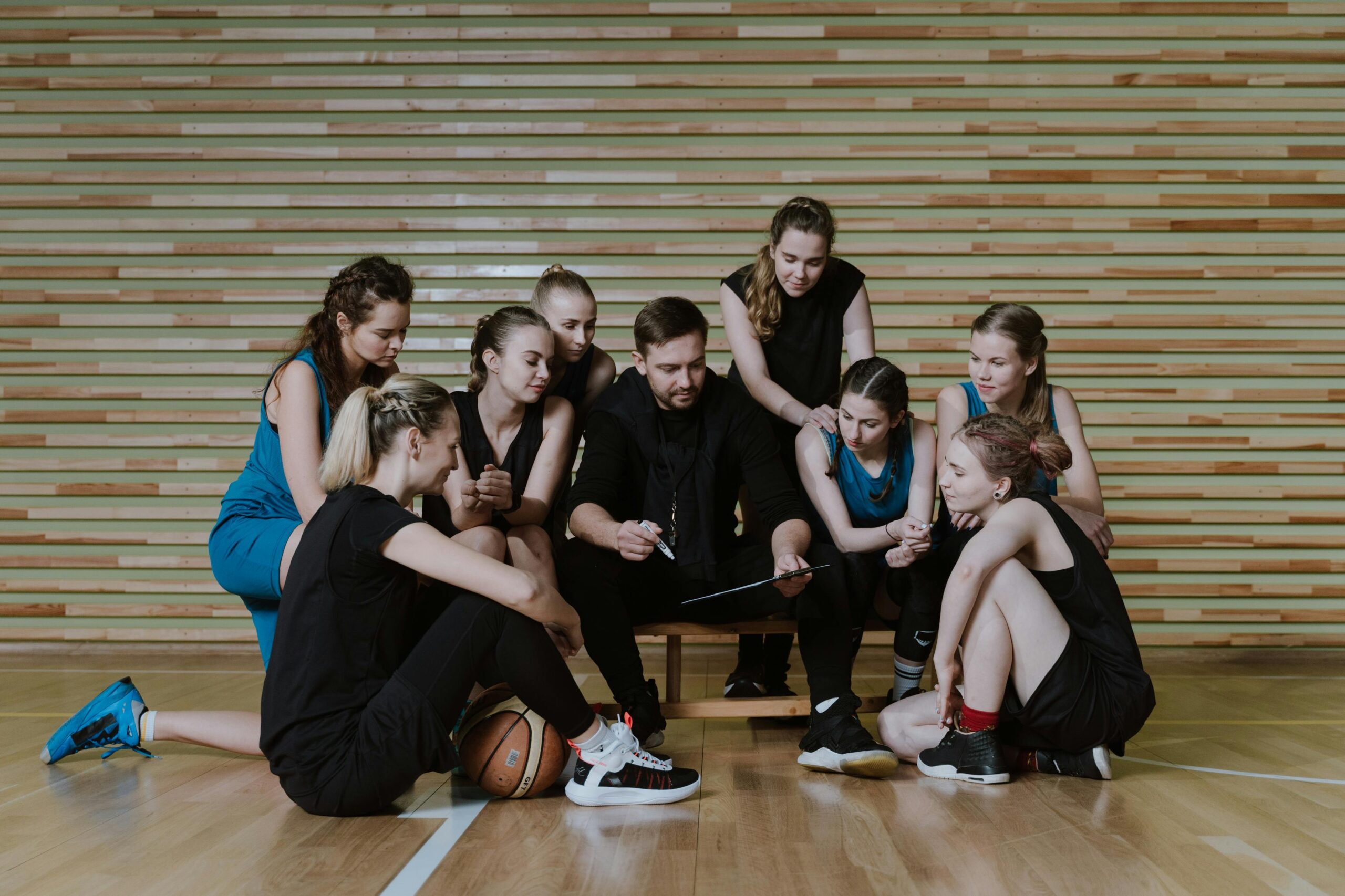
Sport has always been about more than competition. Behind every championship trophy, breakthrough performance, or unforgettable comeback is often a mentor who helped shape the athlete long before the spotlight arrived. While natural talent can open doors, mentorship provides the guidance, discipline, and confidence needed to walk through them.
From grassroots teams to elite professional programs, mentorship continues to play a defining role in shaping future generations of athletes. Coaches, trainers, senior teammates, and community leaders all contribute to the development of young people in ways that extend far beyond physical performance. They help build resilience, leadership, accountability, and emotional strength that athletes carry throughout their lives.
As modern sport becomes increasingly competitive and demanding, strong mentorship has never been more important.
The Emotional Impact of Supportive Coaching
Stories across all levels of sport continue to demonstrate how powerful mentorship can be when combined with genuine care and commitment. Figures such as Iowa hockey coach Jessie Rudin reflect how leadership rooted in service and resilience can inspire both athletes and wider communities.
Athletic performance is closely connected to mental and emotional wellbeing. Mentors often become trusted figures who help athletes navigate challenges that extend beyond competition.
Injuries, poor performances, academic pressure, and personal struggles can deeply affect young athletes. Without support, these experiences may lead to burnout, anxiety, or loss of confidence. A mentor provides reassurance during those moments and reminds athletes that their value is not defined by a scoreboard.
Supportive coaching can also improve an athlete’s sense of belonging. Feeling understood and respected within a team environment encourages greater confidence and motivation.
This emotional support is particularly important for athletes from underrepresented or disadvantaged backgrounds. A mentor who believes in their potential can completely change how they view their future opportunities.
Mentorship Creates More Than Better Athletes
A good mentor does not simply focus on winning games or improving statistics. They focus on developing people.
Young athletes often face pressure from many directions. Expectations from parents, teammates, schools, and social media can create stress that affects both performance and wellbeing. A mentor provides stability and perspective during those moments. They help athletes understand that setbacks are part of growth rather than signs of failure.
This guidance becomes especially valuable during formative years when confidence can fluctuate quickly. A supportive mentor teaches athletes how to manage criticism, recover from mistakes, and stay motivated through difficult periods.
Many successful athletes credit their mentors for teaching lessons that had little to do with sport itself. Time management, communication skills, emotional control, and personal accountability are often developed through strong coaching relationships. These qualities continue benefiting athletes long after their sporting careers end.
Young Athletes Need Positive Role Models
Children and teenagers naturally look for role models. In sport, coaches and mentors often become some of the most influential adults in a young person’s life.
A mentor’s behavior sets the standard for how athletes approach teamwork, discipline, and respect. Young players tend to mirror the attitudes they see demonstrated consistently. Coaches who lead with integrity and empathy often inspire athletes to adopt those same values themselves.
This influence becomes even more important in community and youth sports, where participation can shape self-esteem and social development. Athletes who feel valued and supported are more likely to stay engaged in sport, develop healthy habits, and build positive relationships with others.
Leadership Skills Begin Through Mentorship
One of the most powerful effects of mentorship in sport is its ability to develop future leaders.
Athletes who experience strong guidance early in life often go on to mentor others themselves. This creates a cycle of leadership that strengthens teams, communities, and sporting cultures for generations.
Captains, senior players, and veteran athletes frequently step into mentorship roles because they understand the impact supportive leadership can have. They have experienced firsthand how encouragement, trust, and accountability shaped their own journeys.
Mentorship teaches athletes how to motivate others, resolve conflicts, and lead under pressure. These are valuable skills both on and off the field. Many former athletes later apply these leadership qualities in business, education, healthcare, and countless other industries.
Mentorship Helps Build Long-Term Resilience
Every athlete experiences setbacks. Losses, injuries, missed opportunities, and moments of self-doubt are unavoidable parts of sport. What often separates long-term success from early burnout is the ability to recover and keep moving forward.
Mentors play a crucial role in helping athletes develop resilience.
Rather than shielding athletes from challenges, strong mentors teach them how to face adversity constructively. They encourage reflection instead of blame and improvement instead of frustration.
This mindset becomes increasingly important as competition intensifies. Athletes who learn resilience early are often better equipped to handle pressure later in their careers.
Mentorship Strengthens Team Culture
Teams with strong mentorship often create healthier and more successful environments overall.
When experienced athletes support younger teammates, trust develops naturally. New players feel more comfortable adapting to expectations, while senior players gain leadership experience themselves. This sense of shared responsibility improves communication and strengthens team unity.
Positive team culture rarely happens by accident. It is usually built through consistent mentorship at every level of the organization.
Coaches who encourage collaboration over ego help athletes understand that success depends on collective effort. This creates environments where players celebrate each other’s progress rather than viewing teammates purely as competition.
Mentorship in Women’s Sport Continues To Grow
The increasing visibility of women’s sport has highlighted the importance of mentorship even further.
Young female athletes benefit enormously from seeing women in coaching and leadership positions. Representation creates belief. When athletes see mentors who reflect their own experiences, it becomes easier to imagine similar opportunities for themselves.
Mentorship also helps address challenges that female athletes may face regarding confidence, visibility, and access to opportunities. Supportive leaders can advocate for athletes while helping them navigate barriers that still exist within some sporting environments.
Technology Cannot Replace Human Guidance
Modern sport has become increasingly data-driven. Athletes now have access to advanced analytics, wearable technology, video analysis, and AI-powered training tools. While these innovations provide valuable insights, they cannot replace the human side of mentorship.
Statistics can identify weaknesses, but mentors help athletes understand how to respond emotionally and mentally. Technology may improve performance metrics, but it cannot replicate trust, encouragement, or personal connection.
Athletes still need people who can recognize when confidence is slipping, when pressure is becoming overwhelming, or when motivation needs rebuilding.
The most successful sporting environments often combine modern performance tools with strong interpersonal leadership. Technology supports development, but mentorship drives personal growth.
Community Mentorship Creates Wider Social Impact
The influence of sports mentorship extends far beyond individual athletes.
Community programs led by strong mentors often help reduce social isolation, encourage healthy lifestyles, and create safer environments for young people. Coaches and volunteers frequently become trusted role models who positively shape entire communities.
This impact can be especially meaningful in underserved areas where young people may have limited access to structured opportunities or support systems.
Sport provides a shared sense of purpose, while mentorship creates direction within that environment. Together, they can inspire confidence, ambition, and long-term personal development.
Many former athletes later return to their communities as mentors themselves, continuing the cycle of support that once helped them succeed.
The Future of Sport Depends on Strong Mentors
As sport continues evolving, mentorship will remain one of its most valuable foundations.
Talent alone is rarely enough to sustain long-term success. Athletes need guidance, encouragement, and leadership to reach their full potential both on and off the field.
Strong mentors help shape confident individuals, resilient competitors, and future leaders. They create environments where athletes feel empowered to grow, overcome challenges, and support others in return.
The influence of mentorship often lasts far longer than any single season or championship. Long after games are forgotten, athletes continue carrying the lessons, values, and confidence that strong mentors helped instill.
Future generations of sport will not simply be defined by faster times, bigger crowds, or advanced technology. They will be shaped by the people willing to invest time, care, and leadership into helping others succeed.