
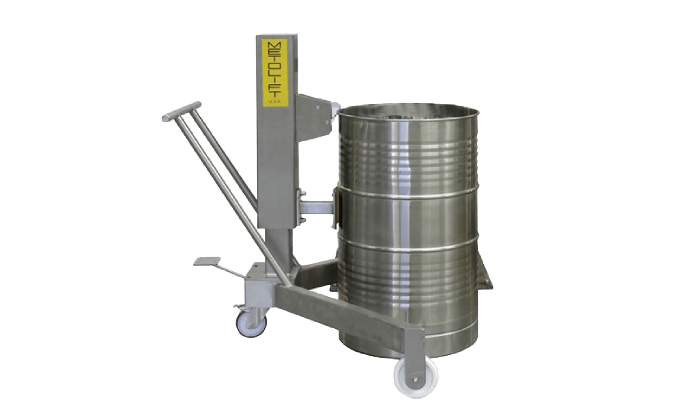
Handling drums safely is crucial to prevent accidents and injuries. Start by inspecting drums for visible damage, leaks, or corrosion; this prevents spills that could lead to hazardous situations. Always use the right equipment like trolleys or lifters designed for the specific drum type, which makes handling smoother and safer. Make sure to plan your route beforehand, ensuring it’s free from obstacles. Wearing personal protective equipment like gloves and safety glasses is essential when dealing with hazardous materials. Also, avoid manual lifting whenever you can and ensure that loads are secured before lifting them. Regular training sessions are vital too.
1. Use Appropriate Equipment
When it comes to handling drums, choosing the right equipment is crucial for ensuring safety and efficiency. First and foremost, select drum handling tools that match the weight and size of the drums you are working with. Always check the load ratings on the equipment before use to confirm it can handle the weight safely. For instance, using a trolley that is designed for lighter drums to lift heavier ones can lead to catastrophic failure and potential injuries.
Before you start your tasks, inspect all drum handling equipment thoroughly. Pay special attention to wheels, handles, and straps that secure the drum. A malfunctioning wheel can make maneuvering difficult, while a weak strap may result in the drum falling, creating hazardous situations. Familiarizing yourself with the features and limitations of your equipment is just as important. Consider attending training sessions when new equipment is introduced, to stay updated on best practices and safety measures.
Stability is key when using lifting trolleys. Ensure that the trolleys have wide bases, especially when you need to maneuver in tight spaces. Adjustable lifting devices can give you better control, allowing for more precise movements. Additionally, when operating heavy drum handling equipment, create a safe working area by using barriers or cones. This helps minimize risks to bystanders, keeping everyone safe.
Always adhere to the manufacturer guidelines for safe operation and perform regular maintenance checks to keep the equipment in top shape. If you work with hazardous materials, ensure that mechanical aids are suitable for those materials and equipped with features to prevent spills. Training staff on proper operation techniques is essential; emphasize teamwork during heavy lifts to enhance safety. Finally, have backup equipment on hand in case of malfunctions. This ensures you can maintain workflow without delays. Implementing a sign-out system for equipment usage can also help track and ensure proper handling and care.
2. Plan Your Route
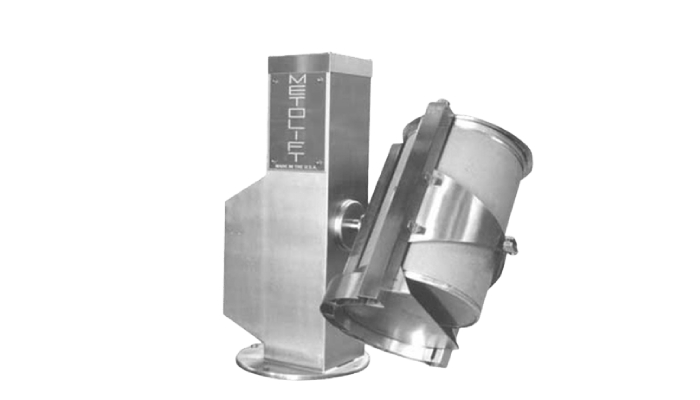
Before you even think about moving a drum, take a moment to plan your route. Walk along the intended path to spot any potential hazards like uneven surfaces, wet floors, or obstacles that could trip you up. This simple step can make all the difference in preventing accidents. Marking designated paths for drum transportation helps establish clear routes and minimizes distractions, guiding everyone in the right direction.
When navigating through crowded areas, having a spotter is essential. They can help ensure safety and maintain clear communication with your coworkers, making the process smoother and safer. Keep in mind environmental factors too, such as weather conditions that could affect moving drums outside. Rain or snow can create slippery surfaces, so plan accordingly.
Make sure all exits and entrances are clear and accessible. This is crucial for easy movement, especially in case of emergencies. If you have access to lifts or loading docks, use them to reduce the distance and effort needed to transport drums. Additionally, well-lit pathways improve visibility, particularly in dimly lit areas where drum handling occurs.
Finally, maintaining a clean workspace is vital. Clutter can lead to accidents, so keep pathways clear for easy navigation. Regularly review and update transportation routes based on any changes in the workplace or safety regulations. Involving employees in route planning discussions not only enhances safety practices but also fosters a culture of teamwork and awareness.
- Walk through the intended path before moving a drum to identify any potential hazards like uneven surfaces, wet floors, or obstacles.
- Mark designated paths for drum transportation to establish clear routes and minimize distractions.
- Use a spotter when navigating through crowded areas to ensure safety and clear communication with coworkers.
- Consider environmental factors such as weather conditions that may affect the safety of moving drums outside.
- Ensure that all exits and entrances are clear and accessible to allow for easy movement of drums in case of emergencies.
- If possible, use lifts or loading docks to reduce the distance and effort needed to transport drums.
- Keep pathways well-lit to improve visibility, especially in dimly lit areas where drum handling occurs.
- Maintain a clean workspace to avoid clutter that could lead to accidents and ensure easy navigation.
- Regularly review and update transportation routes based on changes in the workplace or safety regulations.
- Engage employees in route planning discussions to gather insights and improve safety practices collectively.
3. Avoid Manual Lifting
When it comes to handling heavy drums, manual lifting should be a last resort. Always prioritize safety by utilizing equipment like forklifts, dollies, or hoists to lift and transport these heavy containers. This not only minimizes the risk of injuries but also enhances efficiency. If you absolutely must lift a drum manually, keep it close to your body to reduce strain on your back. Proper lifting techniques are critical: bend at your knees, keep your back straight, and never twist your body while lifting. For heavier drums, team lifting is a smart choice; ensure everyone involved knows their role to maintain coordination and safety. Whenever possible, employ sliding techniques to push drums across the floor instead of lifting them, which greatly reduces effort. Furthermore, make sure your workspace has enough room to maneuver safely, preventing accidents from bumping into objects or other people. Adjust work surfaces to an appropriate height to eliminate unnecessary bending or stretching. Monitoring workloads is key to preventing overexertion; encourage regular breaks to keep fatigue at bay. Lastly, clear communication with coworkers during drum handling can significantly enhance safety, ensuring everyone is on the same page. Keeping pathways clear allows for smooth transitions and minimizes the need for manual lifting.
4. Secure Loads Before Lifting
Before lifting any drum, it’s crucial to ensure that the load is stable and securely positioned on the lifting device. Always check that the drum is balanced and not at risk of tipping during transport. This can easily be done by using straps or chains to secure the drum to the lifting equipment, which will prevent it from shifting as you move it. Make sure the pallets used for storage are in good condition and rated for the drum’s weight, as a faulty pallet can lead to serious accidents.
Performing a test lift at a low height is a smart move to confirm stability and balance before lifting higher. This allows you to catch any issues early on. Be mindful to never overload the lifting equipment beyond its specified capacity, as this is a recipe for disaster. Double-check the security of the load before starting your lift, adjusting as necessary to ensure everything is in place.
Using corner protectors while strapping down drums is also essential to safeguard both the drum and the lifting equipment from damage. Educating employees on recognizing signs of an unbalanced load enhances overall safety awareness. Implementing a buddy system, where one person checks the load’s stability while another prepares for the lift, can significantly reduce risks. Lastly, regularly inspect your lifting equipment for wear and tear, and replace or repair any damaged components immediately. By taking these precautions, you’ll create a safer lifting environment and minimize the risk of accidents.
5. Follow Proper Lifting Techniques
When it comes to lifting drums, following proper techniques can make all the difference. Start by maintaining a wide stance with your feet flat on the ground. This position provides better balance, ensuring you are stable while lifting. Keep the drum as close to your body as possible, which helps minimize strain on your back. Remember, the legs are your strongest muscles, so bend at the knees while keeping your back straight. This technique utilizes the power of your legs, reducing the risk of injury.
Avoid twisting your body while lifting; instead, pivot with your feet to change direction. This simple adjustment can prevent unnecessary strain on your spine. Always use both hands to grip the drum firmly before lifting it off the ground, ensuring you have a secure hold. If you find the drum too heavy, don’t hesitate to ask for help. It’s always better to work as a team than to risk injury.
Practicing these techniques during training sessions reinforces the right methods. Using mirrors or reflective surfaces to monitor your posture while lifting can be incredibly beneficial. Encourage your coworkers to speak up if they experience any pain or discomfort after lifting. Early intervention can address potential issues before they become serious. Lastly, be aware of your surroundings to avoid bumps or distractions, keeping your focus on the task at hand.
6. Avoid Overfilling Containers
When transferring liquids from drums, always leave some space at the top of your containers. This simple practice can prevent messy spills during transport, which can be both dangerous and costly. To ensure accurate dispensing, use measuring devices that help you pour just the right amount. It’s also crucial to train employees on proper filling techniques, stressing the importance of maintaining headspace in containers. To further reduce the risk of overfilling, clearly label containers with maximum fill lines. Regular audits of filling stations can help ensure everyone is following these protocols. Implementing secondary containment systems can catch any spills during filling, adding another layer of safety. Encourage a culture of safety where employees feel comfortable reporting spills or potential overfills, and provide visual reminders at filling stations to keep everyone mindful. Lastly, regularly review and update your filling procedures to stay compliant with safety regulations.
7. Use Spill Containment Measures
Having spill containment measures in place is vital for safety when handling drums. Ensure that spill kits are easily accessible in areas where drums are stored or handled. This allows for a quick response during emergencies, minimizing environmental impact. Training employees on how to use these materials and the procedures for reporting spills is essential. Regular drills can help practice these procedures, ensuring everyone is clear on their roles.
Maintain an inventory of spill containment supplies and routinely check expiration dates on absorbents and other materials. Clearly mark spill containment areas to guarantee quick access when needed. Establish a protocol for disposing of used materials to prevent environmental contamination. Reviewing spill response procedures regularly allows for updates based on new regulations or lessons learned from past incidents.
Encourage employees to report near misses or spills, fostering a culture where safety practices can continually improve. Installing spill containment pallets under drums can capture leaks before they spread, adding another layer of protection. Engage employees in discussions about spill prevention strategies to promote a proactive safety culture.
8. Regular Training and Risk Assessments
Regular training and risk assessments are crucial for maintaining a safe environment when handling drums. Scheduling frequent training sessions keeps employees informed about the latest safety practices and equipment. Each training session should be documented, allowing you to track compliance and ensure everyone understands the material. Conducting routine risk assessments helps identify new hazards associated with drum handling, and involving employees in these assessments can provide valuable insights based on their experiences. Using real-life scenarios during training allows employees to grasp potential risks and develop appropriate responses. After assessments, reviewing and updating safety protocols ensures they stay relevant and effective. Offering refresher courses reinforces safety practices, keeping safety at the forefront of everyone’s mind. Establishing a feedback loop encourages employees to report safety concerns and suggest improvements, fostering a culture of safety. Celebrating safety achievements and recognizing employees who prioritize safe practices can further enhance this culture. Utilizing visual aids and interactive training tools makes learning engaging, ensuring employees are well-prepared to handle drums safely.