
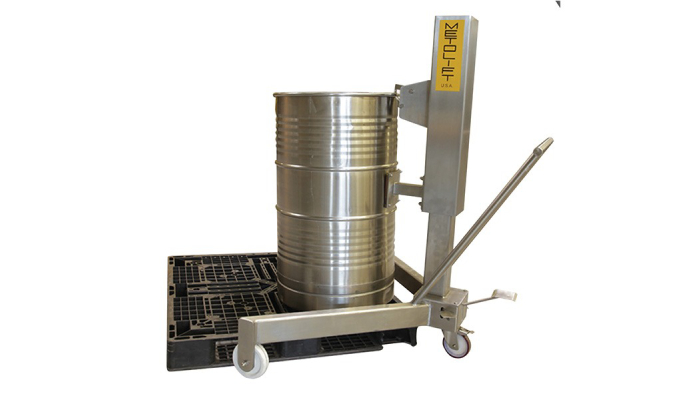
To avoid common mistakes when handling drums, understanding the right equipment is crucial. Drums can be heavy, so always use tools suited for their specific type, whether they’re steel, plastic, or fiber. Regularly inspect equipment such as hoists and lifts to prevent injuries and ensure safety. Conduct risk assessments to identify hazards associated with drum handling and establish clear signage in storage areas. Manual lifting should be avoided; instead, promote team lifting techniques or use drum carts when transporting them. Lastly, keeping paths clear of obstacles and ensuring employees are trained on emergency procedures will help maintain a safe working environment overall.
1. Understanding Drum Handling Equipment
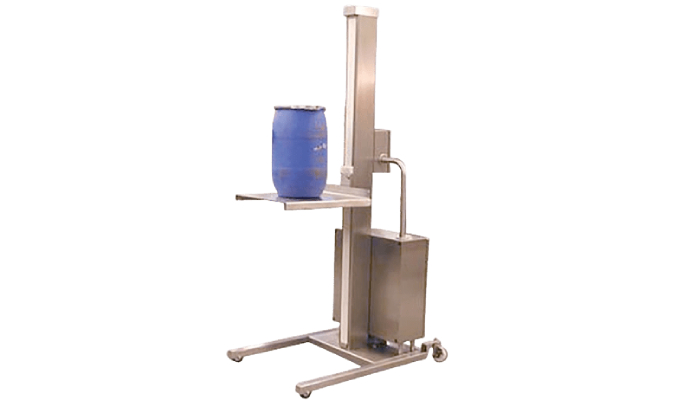
Drum handling equipment is crucial for safely managing the transport and storage of various materials, especially hazardous ones. Drums can weigh hundreds of pounds, so it’s vital to choose the right equipment tailored for specific drum types, whether they are steel, plastic, or fiber. Equipment like drum dollies, hoists, and pneumatic lifts are designed to accommodate different weights and sizes, ensuring stability during operation. Modern drum handling tools come equipped with safety features such as automatic shut-off systems and emergency stops, which significantly reduce the risk of accidents. Regular training is essential to familiarize employees with these tools, focusing on both operational efficiency and essential safety protocols. For instance, using equipment with adjustable heights can help minimize back strain and improve accessibility when handling drums. It’s also important to consider environmental conditions, such as temperature extremes or wet surfaces, as these can affect the performance of the equipment. Incorporating technology like RFID tracking can streamline inventory management while enhancing safety monitoring. Additionally, establishing a maintenance schedule for drum handling equipment ensures longevity and reliability, preventing unexpected failures that could lead to dangerous situations.
2. Essential Safety Measures for Drum Handling
When it comes to drum handling, safety is paramount. One effective way to enhance safety is by implementing a buddy system. This not only ensures that workers can assist each other but also fosters teamwork, as they work together to lift and maneuver heavy drums. It’s crucial for all employees to be familiar with the workspace layout, allowing them to navigate safely around drums and equipment without unnecessary risks.
Clear warning signs and labels are essential in marking hazardous areas and reminding employees of safe practices. These visual cues serve as constant reminders to maintain vigilance. Proper training in the use of personal protective equipment (PPE) is also vital, as it emphasizes the importance of safety gear in preventing injuries while handling drums. Regular updates to safety protocols ensure all staff remain informed and compliant with the latest regulations and equipment standards.
Conducting safety audits allows organizations to assess the effectiveness of current safety measures and make necessary adjustments based on findings. Cultivating a culture of safety is equally important, where employees feel empowered to report unsafe conditions or practices without fear.
In areas where drums are stored or handled, proper ventilation is crucial, especially when dealing with volatile substances. A clear communication plan for emergencies is essential, ensuring all employees know who to contact and what steps to follow in case of an incident. Regular refresher courses on safety measures keep safety at the forefront of employees’ minds, reinforcing their commitment to a safe working environment.
- Implementing a buddy system can enhance safety by ensuring that workers can assist each other during drum handling tasks.
- Ensure all workers are familiar with the layout of the workspace to navigate safely around drums and equipment.
- Use warning signs and labels to clearly mark hazardous areas and remind employees of safe practices.
- Provide adequate training in the use of personal protective equipment (PPE) specifically for drum handling tasks, emphasizing its importance in preventing injuries.
- Regularly update safety protocols based on new regulations or equipment updates to keep all staff informed and compliant.
- Incorporate safety audits to assess the effectiveness of current safety measures and make necessary adjustments.
- Encourage a culture of safety where employees feel empowered to report unsafe conditions or practices without fear of repercussions.
- Implement routine checks for proper ventilation in areas where drums are stored or handled, especially when dealing with volatile substances.
- Create a clear communication plan for emergencies, ensuring all employees know who to contact and what steps to follow in case of an incident.
- Conduct regular refresher courses on safety measures to keep safety at the forefront of employees’ minds.
3. Common Mistakes to Avoid in Drum Handling
When it comes to drum handling, a few common mistakes can turn a simple task into a risky situation. First and foremost, always assess the weight of the drum before lifting it. Ignoring this crucial step can lead to severe accidents, so be sure to know both the weight and the contents of the drum you’re handling. Additionally, using the right equipment is essential. If you mismatch the handling equipment with the drum type, safety becomes compromised. For instance, using a hoist designed for plastic drums on a steel drum is a recipe for disaster.
Another frequent mistake is overloading handling equipment. Every piece of gear has a weight limit set by the manufacturer, and exceeding this limit can lead to equipment failure, resulting in injuries or worse. While transporting drums, it’s vital to secure them properly. Neglecting to do so can cause them to roll or tip over, creating chaos in the workplace.
Rushing through drum handling tasks is another pitfall; it often leads to errors and accidents. Take your time and ensure that every step is performed carefully. Don’t forget to check the condition of the floor or ground before moving drums. Hazards like spills or uneven surfaces can lead to slips and falls, so always keep an eye out.
Using improper lifting techniques can cause serious injuries. To protect your back, always bend at the knees and maintain a straight back when lifting. Moreover, having a clear plan for spill management is crucial. Without it, an incident can quickly escalate into chaos. Lastly, never underestimate the importance of teamwork. Working in pairs for heavy or awkwardly shaped drums enhances safety and reduces the risk of accidents. Always communicate any equipment malfunctions or concerns immediately, as ignoring them can lead to larger issues down the line.
4. Best Practices for Safe Drum Handling
To ensure safety while handling drums, it’s crucial to adopt best practices that protect employees and enhance efficiency. Start by encouraging everyone to wear appropriate footwear with slip-resistant soles, as this simple step can significantly reduce the risk of slips and falls. Regular training sessions should emphasize proper lifting techniques, where employees learn to maintain a stable stance and lift with their legs rather than their backs. This not only minimizes injury risk but also promotes a culture of safety.
Utilizing color-coded labels on drums helps employees quickly identify contents and associated hazards, raising awareness and encouraging caution. Implementing a consistent cleaning schedule for drum storage areas keeps these spaces organized and safe, reducing the likelihood of accidents. Furthermore, employees should be well-trained in using drum handling tools, ensuring everyone knows how to operate them safely and efficiently.
Creating designated loading and unloading zones can alleviate congestion in busy areas, enhancing safety during operations. Investing in ergonomic tools designed for drum handling reduces physical strain on workers, making the process more comfortable and efficient. Encourage open communication among employees regarding any issues or concerns related to drum handling; this not only fosters a proactive approach to safety but also builds teamwork.
Regular audits of drum handling practices are essential for identifying areas that require improvement, ensuring compliance with safety standards. Lastly, creating a culture of safety is vital; celebrate safe handling practices and recognize employees who consistently follow protocols, reinforcing the importance of safety in the workplace.
5. Emergency Procedures for Drum Incidents
In the event of a drum-related emergency, clarity is key. Clearly defining roles and responsibilities for each employee can lead to a swift and effective response. For instance, designate specific individuals to manage spill containment and provide first aid, so everyone knows who to look to in a crisis. Ensure all employees are familiar with the location of emergency exits and evacuation routes, as this knowledge is crucial during a severe incident. Regularly review and practice emergency procedures through drills that cover various scenarios, from spills to fires, so that employees feel prepared and confident.
Additionally, keep an updated list of emergency contact numbers readily accessible to all staff. Emergency response equipment, like spill kits and fire extinguishers, must be easily accessible and maintained regularly to ensure they function correctly when needed. After any incident, conduct a post-incident evaluation to assess the response’s effectiveness and identify areas for improvement. Ongoing training in emergency procedures is essential to keep everyone well-prepared. Moreover, encourage employees to report near-misses or potential hazards; this proactive approach can prevent future incidents and foster a safer working environment.
6. Personal Protective Equipment for Drum Handling
When it comes to drum handling, personal protective equipment (PPE) is not just an accessory, it’s a necessity. Establishing mandatory PPE policies ensures that everyone involved in drum handling activities understands the importance of compliance and safety. Regular inspections of PPE are crucial; any items showing wear and tear should be replaced immediately to maintain high protection standards. Training is essential, too, employees need to know how to use their PPE correctly and understand its limitations. It’s also vital that the PPE provided is suitable for the specific hazards associated with the substances stored in the drums. Encourage your team to report any discomfort or fit issues with their gear, as proper fit is key to effective protection. Incorporate PPE requirements into your onboarding process to instill safety standards from day one, and provide a variety of options in sizes and materials to accommodate everyone’s needs. Periodic reviews of PPE policies keep them relevant and effective against new hazards. Establish a process for employees to request additional PPE if they identify risks not covered by existing protocols. Lastly, cultivating a culture of safety where employees remind each other of the importance of PPE fosters a responsible workplace.
7. Maintaining Drum Handling Equipment Effectively
To ensure drum handling equipment operates smoothly and safely, establishing a regular maintenance schedule is essential. This not only enhances performance but also helps meet safety compliance standards. Training employees is equally important: they should know how to conduct routine inspections and recognize what to look for during equipment checks. A log of all maintenance activities and inspections can be invaluable, allowing you to track the condition and performance of the equipment over time.
Utilizing a checklist for routine inspections helps ensure that no critical components are overlooked. If any parts show signs of wear or damage, replace them immediately to avoid potential equipment failure during operation. Incorporating feedback from employees who use the equipment regularly can highlight common issues, leading to more effective maintenance schedules.
It’s also wise to keep training materials updated to reflect any changes or improvements in maintenance practices. After each use, ensure that all equipment is cleaned thoroughly, removing any residues that could cause deterioration or hazardous conditions.
Investing in technology that monitors equipment performance in real-time can allow for proactive maintenance and quicker responses to issues. Lastly, creating a culture of accountability is key, when employees take ownership of equipment maintenance, it emphasizes its impact on overall safety and efficiency, leading to a safer and more productive work environment.