
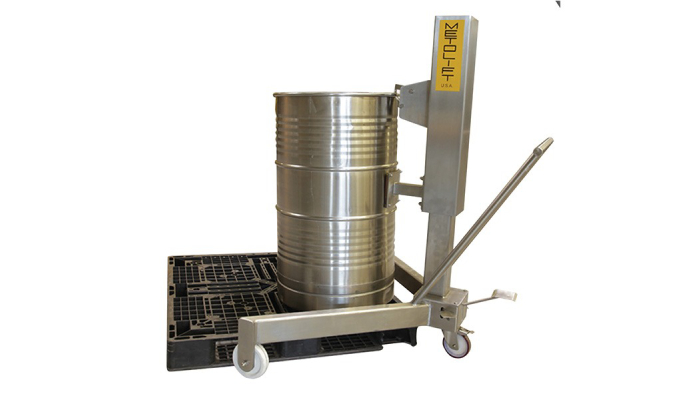
Handling drums safely is crucial to avoid accidents and injuries. First, always recognize the risks associated with drum handling, remember that full drums can be extremely heavy, making proper techniques essential. One key mistake is ignoring safety equipment; don’t forget your gloves and goggles when dealing with hazardous materials. Inspect each drum for damage before moving it to prevent spills or injuries. Always use the correct handling equipment and ensure pathways are free from obstacles. Regular training for staff on safety protocols, along with clear signage in storage areas, strengthens overall compliance and promotes a culture of safety in the workplace.
1. Understanding Drum Handling Risks
Drum handling equipment can be incredibly heavy, with full 205-liter drums often reaching weights of up to 350 kg or 772 lbs. This weight can exceed manual handling limits, creating a real danger for anyone involved in moving them. Improper lifting techniques frequently result in musculoskeletal injuries, especially affecting the back and shoulders. When dealing with drums containing hazardous materials, the risks multiply; chemical exposure or fire hazards become serious concerns.
Spills are another risk factor. If drums are not secured during transport, they can tip over, leading to harmful environmental contamination. Moreover, workers who lack knowledge about the drum’s contents may mishandle them, escalating dangerous situations. Incorrect stacking can also lead to tipping or rolling, putting nearby workers at risk.
Using improper lifting aids increases the likelihood of accidents during drum movement. Inadequate visibility in storage areas can lead to accidents, as workers might not see obstacles in their path. Weather conditions, like rain or ice, can further complicate outdoor drum handling, making it even more hazardous. Lastly, without adequate training on drum handling risks, employees may find themselves unprepared for emergencies, which could have dire consequences.
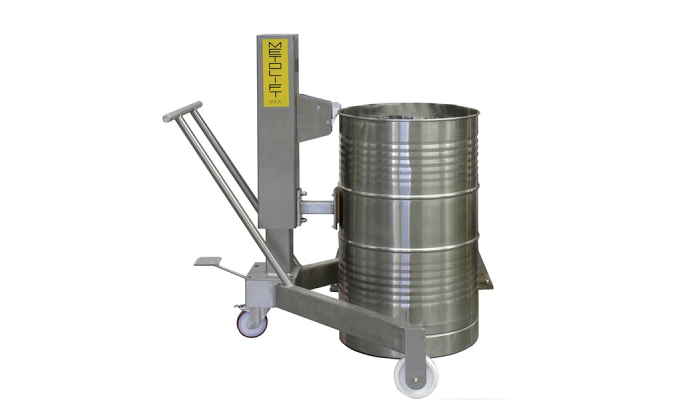
2. Common Mistakes to Avoid
One of the most critical mistakes is ignoring safety equipment. Always wear the right personal protective equipment (PPE), such as gloves and safety glasses, especially when dealing with hazardous substances. Neglecting this can lead to serious injuries. Another common error is skipping visual inspections of drums. Before moving any drum, check for damages, leaks, or corrosion. Overlooking these signs can result in spills and injuries, creating unnecessary risks in the workplace.
Improper storage practices are also a major concern. Drums should be kept in a cool, dry location, away from heat sources to prevent degradation and potential fires. Additionally, using the wrong equipment for specific drum types can compromise safety. Always ensure that the handling equipment matches the drum size and content type to maintain control and safety during movement.
Securing drums during transport is often overlooked, yet it is crucial. Unsecured drums can spill, posing risks not just to personnel but also to the environment. Similarly, failing to follow proper procedures for filling and transferring liquids can create hazardous situations, leading to accidents that could have been easily avoided.
When handling flammable materials, neglecting to ground equipment can lead to dangerous static discharge. Always remember to ground both the drum and any dispensing equipment. Rushing through drum handling can lead to careless mistakes and accidents, so it’s vital to take your time and follow the proper protocols. Ignoring proper labeling can also result in confusion about the drum’s contents, leading to mishandling. Lastly, don’t forget to maintain equipment. Regular maintenance prevents malfunctions that could occur during handling, ensuring safety and efficiency.
- Failing to wear appropriate PPE can lead to serious injuries or health issues.
- Overlooking visual inspections of drums can result in handling defective or leaking containers.
- Storing drums too close to heat sources can lead to fires or explosions.
- Using the wrong type of equipment for specific drum types can compromise safety.
- Not securing drums during transport can lead to spills, posing risks to both people and the environment.
- Failing to follow proper procedures for filling and transferring liquids can create hazardous situations.
- Neglecting to ground equipment when handling flammable materials can result in static discharge.
- Rushing during drum handling can lead to careless mistakes and accidents.
- Ignoring proper labeling can result in confusion about the contents of the drum.
- Forgetting to maintain equipment can lead to malfunctions during drum handling.
3. Safety Practices for Drum Handling
When it comes to handling drums, safety should always be your top priority. Start by closely inspecting each drum for any leaks or damage before moving it. A small crack can lead to big problems, including spills or exposure to hazardous materials. Clear the pathways where you’ll be moving the drums, as clutter can create tripping hazards. Using drum trolleys or lifters that are in good condition is crucial. These tools not only make the job easier but also reduce the risk of physical strain.
Adopt proper lifting techniques: bend at your knees, not your back, and keep the load close to your body. This simple adjustment can make a significant difference in preventing injuries. Communication is key when working with a team, always let your coworkers know what you’re doing, especially if you’re moving heavy or hazardous drums. Establish clear procedures for loading and unloading drums to minimize risks further.
Utilizing spill containment systems during transfers is essential for environmental safety. Always have emergency procedures in place in case of spills or accidents, ensuring that everyone knows how to react quickly. A clean workspace enhances visibility and reduces the risk of accidents, so encourage a culture of cleanliness and safety. Finally, foster an environment where team members feel comfortable reporting unsafe conditions. When everyone is on the same page with safety practices, the chances of accidents decrease significantly.
4. Training and Compliance
Training is key to mastering safe drum handling practices. Start by providing hands-on training sessions for all employees involved in drum handling, ensuring they are familiar with safety procedures and the equipment they will use. Develop comprehensive training manuals that cover all the essential protocols. To keep safety fresh in everyone’s mind, conduct regular refresher courses. Pair new workers with experienced personnel through a buddy system, allowing them to learn the ropes in a safe environment.
Compliance is non-negotiable. Make sure your training meets local and national regulations regarding hazardous materials. Implement a system for reporting and addressing safety concerns in real time, so issues get resolved before they escalate. Document all training sessions meticulously, keeping records for compliance audits to show that your team is well-prepared.
Utilize engaging training methods, such as interactive simulations, to enhance learning and retention. Encourage feedback from employees on safety practices to continuously improve your training programs. Regularly review and update training materials to reflect any changes in regulations or best practices, ensuring your team is always ahead of the curve.
5. Equipment Design Considerations
When choosing drum handling equipment, it’s essential to select options that are specifically designed for the weight and type of drum being handled. For instance, a 205-liter drum can weigh up to 350 kg, so using equipment that can safely support this weight is crucial. Prioritize equipment featuring built-in safety features like overload protection, which can prevent accidents caused by overloading. It’s also vital that the equipment is user-friendly, reducing the likelihood of user error during operation.
Additionally, opt for equipment made from corrosion-resistant materials, especially if it’s going to be used in harsh conditions or with hazardous substances. This choice ensures durability and long-term performance. Design your workspaces to facilitate the safe maneuvering of drum handling equipment, which can significantly enhance both safety and efficiency.
Ergonomics is another key consideration. Equipment should be designed to minimize strain on workers, such as incorporating adjustable handles or easy-lift features. Regular inspections of all handling equipment for wear and tear are necessary to maintain safety standards. Furthermore, select designs that allow for easy cleaning and maintenance, as this will help keep the equipment in top condition.
In environments dealing with flammable materials, consider equipment that allows for remote operation to reduce workers’ exposure to potential hazards. Lastly, engaging employees in the selection process can ensure that the equipment meets their needs, leading to a safer and more productive work environment.
6. Hygiene and Environmental Considerations
Maintaining hygiene and environmental standards during drum handling is crucial to prevent contamination and ensure safety. Implementing a regular cleaning schedule for areas where drums are handled keeps the workspace tidy and reduces the risk of spills. It is essential to ensure that all chemicals and materials stored in drums are properly labeled, promoting safety and preventing mishaps. Establish protocols for the safe disposal of contaminated or damaged drums, as improper disposal can lead to severe environmental issues. Training employees on the significance of hygiene is vital; when staff understand its importance, they are more likely to adhere to best practices. Using environmentally friendly cleaning agents minimizes chemical exposure and promotes a healthier workplace. Additionally, having spill kits available and training employees on their proper use ensures a quick response to any incidents. Regular reviews of environmental regulations related to drum handling and storage will help maintain compliance. Encourage employees to report any spills or leaks immediately, fostering a culture of accountability. Conduct audits of storage areas to ensure compliance with hygiene standards, and promote a culture of environmental responsibility among all staff members. By prioritizing these practices, organizations can create a safer and more sustainable environment.
7. General Health and Safety Recommendations
Creating a safe environment for drum handling is essential, and it starts with clear signage in all areas where drums are moved. This helps to remind employees about safety protocols and reduces the chance of accidents. Encouraging a culture of safety is equally important, where employees feel empowered to speak up about unsafe conditions or practices without fear of repercussions. Regular safety drills are also crucial, as they prepare everyone for emergencies related to drum handling, ensuring that responses are swift and effective when it matters most.
Accessibility to first aid kits is another key factor; employees should always know where these are located, so they can act quickly in case of an injury. Conducting periodic safety audits helps to identify and address potential hazards before they lead to incidents. Additionally, promoting physical wellness programs can significantly reduce injuries related to manual handling, and providing ergonomic training is vital for teaching employees the right lifting techniques.
Encouraging regular breaks during long periods of drum handling can help prevent fatigue, which is a common cause of accidents. Finally, maintaining an open-door policy for safety discussions fosters communication and trust between employees and management. Celebrating safety achievements not only motivates employees but also reinforces the importance of safe practices in the workplace.