
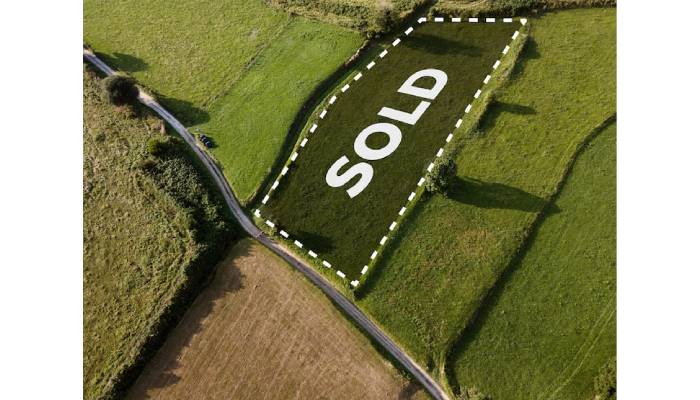
When buying Florida land for sale, avoiding common mistakes can save you time and money. Firstly, understanding zoning regulations is crucial since they dictate how you can use the property. Conducting thorough due diligence, including researching environmental factors and local laws, helps you identify potential hurdles early on. Never underestimate the value of a physical inspection; walking the lot gives insight into its condition. Additionally, evaluate access to utilities and roads before proceeding. Always check flood zone maps to foresee insurance costs. Consulting professionals in real estate is wise, they provide invaluable guidance through this elaborate process that can sometimes be overwhelming but rewarding.
1. Understanding Zoning Regulations for Florida Land
When buying Florida land for sale, you need to grasp the zoning regulations that govern its use. Start by identifying the zoning classification of the property, whether it’s residential, commercial, or agricultural. This classification will dictate what you can and cannot do with the land. Next, check local zoning ordinances for permitted uses and any restrictions that may apply. For instance, if you intend to build a home, knowing the specific setbacks and building height regulations is crucial to avoid future headaches.
It’s also wise to look into any potential future zoning changes that could affect your property’s value or usage. Local planning departments can provide detailed zoning maps and regulations, ensuring you have all the necessary information. Additionally, be aware of any special zoning overlays that might apply, such as historic or environmental zones, as these can impose extra limitations.
Moreover, find out if the land is located in a conservation area, which may restrict development options. If you have a specific use in mind, check if a conditional use permit is needed. Understanding how zoning affects neighboring properties is also essential, as conflicts can arise from incompatible uses. Finally, keep an eye on zoning meetings and changes in your area, this proactive approach will help you stay informed and make wise decisions regarding your investment.
- Identify the zoning classification of the property, whether it is residential, commercial, or agricultural.
- Check local zoning ordinances to understand permitted uses and restrictions.
- Look into future zoning changes that may affect property value or usage.
- Consult the local planning department for detailed zoning maps and regulations.
- Understand setbacks, building heights, and density regulations for your property.
- Research any special zoning overlays that may apply, such as historic or environmental zones.
- Verify if the property is in a conservation area, which may limit development options.
- Review any conditional use permits that may be required for your intended use.
- Consider how zoning affects neighboring properties and potential conflicts that could arise.
- Stay updated on zoning meetings or changes in your area that may impact your property.
2. Conducting Thorough Due Diligence Before Purchase
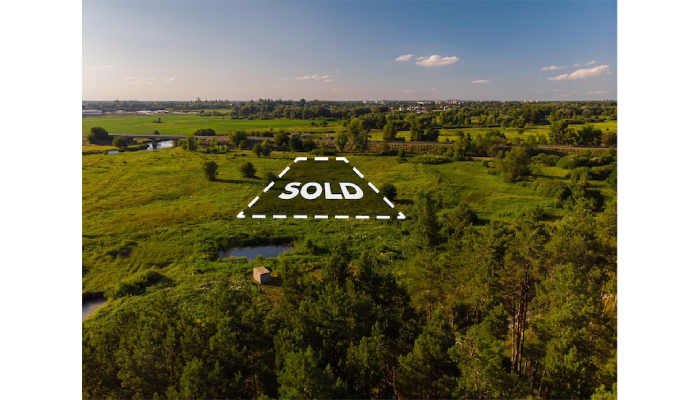
Before you seal the deal on that piece of Florida paradise, thorough due diligence is your best friend. Start by gathering all relevant documents, including property surveys and past sale records. These documents provide a clear picture of what you’re getting into. Next, investigate existing easements or rights of way, as these can have a big impact on how you can use the land. It’s also wise to analyze the property’s history for any legal disputes that might crop up later. You wouldn’t want to find out that the seller didn’t have the right to sell after you’ve made your investment.
Additionally, reviewing local government development plans and restrictions is crucial. These regulations can limit what you can do on your property, so knowing them ahead of time is essential. Don’t forget to check for any outstanding liens or financial obligations tied to the property, as these can become your problem if you’re not careful. Understanding local building codes is equally important to ensure that your plans for the land are feasible.
Utilize local databases and resources to aid your research. If the process feels overwhelming, consider hiring a real estate attorney who specializes in land purchases. Their expertise can be invaluable in navigating the complexities of the transaction. Finally, keep detailed records of all your due diligence activities. This not only helps you stay organized during the buying process but also serves as a reference for any future questions or concerns.
3. Importance of Inspecting the Property
When buying land in Florida, a physical inspection is a must. This step helps uncover potential issues that could affect your investment. Look for environmental hazards like contamination or signs of flooding. Assess the topography and soil quality to ensure they suit your intended use, whether it’s building a home, farming, or recreational activities. Check access roads and the condition of surrounding infrastructure. Are there utilities like water, electricity, and sewage available? These are crucial for making the land usable. Don’t overlook the surrounding area; nearby properties and their conditions can influence your land’s value and livability. Document unique features such as trees, water bodies, or wildlife that might affect how you can use the property. Hiring a land surveyor can provide a detailed layout, helping you understand boundaries and any potential encroachments. If there are existing structures, review their condition and compliance with local regulations. Use your findings from the inspection as a negotiation tool to secure better purchase terms. This comprehensive approach ensures you are well-informed and increases your chances of a successful investment.
4. Evaluating Environmental Factors in Florida
When considering land in Florida, you must dive deep into the environmental aspects that can shape your experience and investment. First, check for wetlands on the property, as these areas can limit your development plans and often require permits for any alterations. Next, flood zone maps from FEMA are essential tools to assess flood risks; knowing if your land is in a flood-prone area can save you from future headaches and unexpected costs.
Also, be aware of endangered species or critical habitats that could affect how you use the land. For instance, if your property is home to a protected species, special regulations may restrict certain activities. Soil quality is another key factor, as the composition can determine whether your land is suitable for construction or agricultural purposes.
You should also consider Florida’s vulnerability to hurricanes and other natural disasters. Understanding the risk involved can help you prepare appropriately, whether it means investing in robust infrastructure or securing adequate insurance. Additionally, proximity to natural reserves or protected areas can influence land use and may impose restrictions that you need to factor into your plans.
Local climate conditions play a significant role in property maintenance and usage too. Researching the area’s climate will help you anticipate challenges like humidity, heat, or seasonal storms. Lastly, examine any existing environmental assessments or reports available for the property, and stay informed about state and federal regulations that may apply. This knowledge can empower you to make informed decisions and avoid costly mistakes in your land purchase.
5. Assessing Access and Infrastructure Needs
When considering Florida land for sale, it’s crucial to assess access and infrastructure needs to ensure the property meets your long-term goals. Start by verifying that there is legal access to the land, whether through public roads or private easements. Imagine the frustration of purchasing a beautiful plot only to find it inaccessible. Next, evaluate the condition of access roads; poorly maintained roads can deter visitors and complicate construction efforts.
Utilities are another critical factor. Check for the availability of essential services such as electricity, water, and sewage systems. If these utilities are not readily available, research the costs and logistics of connecting to them. In rural areas, reliable internet and phone services are often overlooked but can significantly impact your daily life and property value.
Additionally, look into local public services, including fire and police departments, and assess their response times. A well-connected property can mean peace of mind in emergencies. Think about transportation options too; if you plan to develop the land or commute, easy access to major roads or public transport can save you time and money.
Don’t forget to investigate any planned infrastructure improvements in the area, as these can enhance access and increase property value. Nearby commercial or residential developments can also affect how easily you can reach your land and its desirability in the future. Taking the time to thoroughly assess access and infrastructure needs will empower you to make an informed purchase and enjoy your Florida land for years to come.
6. Researching the Local Real Estate Market
When buying Florida land, diving deep into the local real estate market is essential. Start by analyzing recent sales in the area to get a grasp on market trends and pricing. This helps you understand whether you are getting a fair deal. Look for key factors driving the market, such as job growth or nearby amenities, which can indicate future demand.
Investigate how long properties typically stay on the market in your chosen area. A shorter average time can signal a hot market, while longer times may suggest a more saturated or declining market. Understanding the local demographics also gives insight into who might be interested in purchasing land in the future.
Seasonal trends play a significant role in Florida’s market. For instance, many buyers flock to the state during winter months, causing prices to spike. Use online tools and databases to gather real estate data easily, enabling you to make informed decisions.
Networking with local real estate agents can provide you with insider knowledge that online research might miss. They often have tips on upcoming developments that could enhance property values or insights into economic indicators that could affect your investment.
By comprehensively researching these aspects, you position yourself to make a sound investment and avoid common pitfalls.
7. Checking Flood Zones and Property Taxes
When buying land in Florida, checking flood zones and understanding property taxes is crucial. Start by obtaining the latest FEMA flood maps to assess the flood risk for the property you’re interested in. This information is vital, as properties designated in high-risk flood zones may require flood insurance, which can significantly increase your overall costs. Understanding how flood zone designations affect insurance requirements will help you budget accurately. Additionally, research local property tax rates and how they are assessed, as these can vary widely depending on the area. Inquire about any special assessments or additional taxes that might apply, as these could be unexpected costs. It’s also important to check if there are any tax exemptions available for the property type you’re considering. A historical look at property taxes can reveal trends that might affect your investment over time. If the land is in a high-risk area, factor in the cost of flood insurance into your financial planning. Investigate local government programs that assist with flood risk mitigation, as they can offer support or incentives. Understanding property taxes and their implications on your return on investment is key, so stay informed about changes in local tax laws that could impact your future costs.
8. Performing a Title Search for Safety
When buying land in Florida, performing a thorough title search is essential for your peace of mind. This process reveals any liens, encumbrances, or claims against the property that could complicate your ownership. You’ll want to dive into the property’s history to ensure a clear title transfer, checking for unresolved disputes or legal actions that might involve the land.
Make sure the property description aligns with the actual land boundaries, as discrepancies can lead to significant issues down the line. Title insurance is also a smart investment, providing protection against future claims that might pop up unexpectedly.
Additionally, be on the lookout for easements or rights of way that could limit how you use the property. It’s crucial to confirm that all property taxes and assessments are current and up to date, as unpaid taxes can lead to unexpected financial burdens. Consulting a title company or attorney can help you navigate this intricate process, ensuring nothing gets overlooked. Remember to document all findings from your title search, as this will serve as a valuable reference in the future. Lastly, be aware of any potential challenges that could arise during the title transfer, so you can be prepared and avoid unpleasant surprises.
9. Asking Questions and Seeking Professional Help
When it comes to buying land in Florida, asking the right questions is crucial. Before you even step into a conversation with real estate agents, attorneys, or consultants, prepare a list of inquiries that will help you uncover vital information. For instance, inquire about the seller’s reputation and their motivations for selling the property. Knowing why they are selling can give you insight into any potential issues with the land.
Additionally, seek advice from local experts who have experience with Florida land transactions. These professionals can provide valuable insights into local market trends and what to expect in the coming years. For instance, they can inform you about rising property values in certain areas or upcoming developments that may affect your investment.
Don’t forget to consult with a surveyor who can provide insights into land use and development potential. They can highlight any limitations or opportunities that may not be immediately apparent. Furthermore, reaching out to local government offices about zoning regulations and land use codes is essential. Understanding these rules can save you from making a purchase that doesn’t align with your plans.
Engaging with environmental consultants is also wise. They can assess any risks associated with the land, such as flood zones or protected wetlands, ensuring you are aware of any potential challenges. Joining local community boards or forums can also give you additional perspectives from those who live in the area, enriching your understanding of the local landscape.
Lastly, don’t hesitate to ask for referrals to trusted professionals who have a solid track record in Florida land purchases. It’s important to be open to multiple opinions and advice, as this will give you a well-rounded understanding of the land you are considering. The more questions you ask and the more help you seek, the better positioned you will be to make a sound investment.
10. Considering Future Development Plans Nearby
When buying land in Florida, it’s crucial to keep an eye on future development plans in the area. Start by researching any proposed projects that could impact your property’s value. For instance, if a new shopping center or major road is set to be built nearby, these could increase the value of your land, making it a sound investment. On the flip side, undesirable developments like a waste facility could deter future buyers or affect your enjoyment of the land.
Checking with local planning departments is a smart move to stay informed about upcoming zoning changes or projects. This way, you can anticipate how nearby infrastructure improvements might enhance property access, making it easier to reach your land. Additionally, consider the potential for commercial developments, schools, parks, or other amenities that could boost the local appeal. For example, if a new park is planned just down the street, it could make your property more attractive to families.
Staying engaged with community discussions is another excellent way to learn about future developments. Attend town hall meetings or join local forums to voice your opinions and understand what changes may be coming. It’s also wise to analyze how these developments align with your long-term plans for the property. If you intend to build a home, you might want to ensure that nearby improvements won’t disrupt your lifestyle or lead to increased property taxes. Finally, evaluate how neighboring properties and their potential developments could affect your land’s value and usability, ensuring that your investment remains a smart one.