
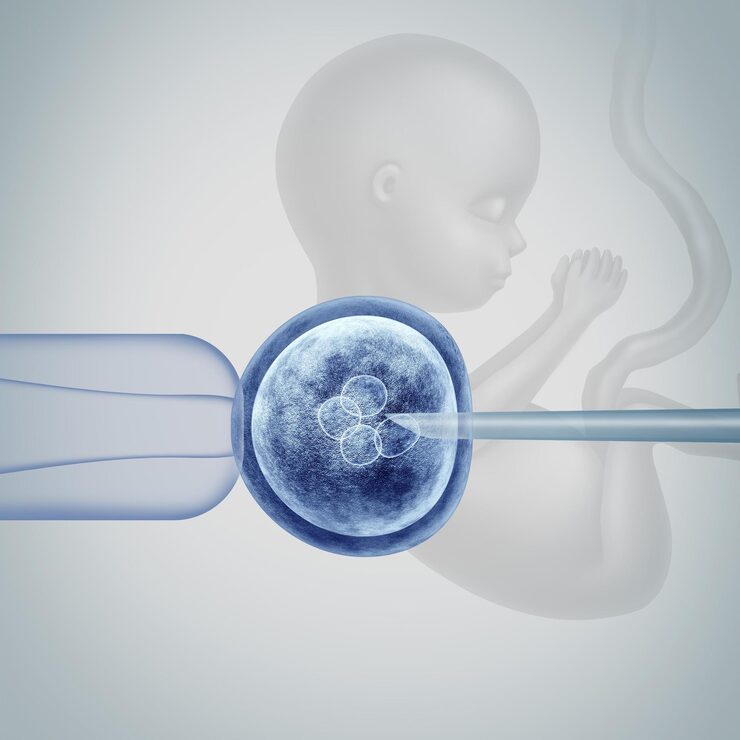
Low AMH levels can be daunting for women in San Diego seeking to conceive, but there are strategies to improve IVF success rates. Firstly, understanding the implications of low AMH is crucial, as it signals diminished ovarian reserve but doesn’t eliminate the possibility of pregnancy. Making some lifestyle changes like following a nutrient-rich diet and managing weight can significantly aid fertility. Also, using tailored IVF protocols such as mini-stim or natural cycle IVF helps maximize egg quality over quantity. It’s important to work closely with experienced fertility specialists who provide personalized plans and emotional support, helping navigate the challenges ahead effectively.
1. Understanding Low AMH and Its Effects
Low Anti-Müllerian Hormone (AMH) levels are an important marker for assessing a woman’s ovarian reserve. When AMH levels are low, it usually indicates that there are fewer eggs available for conception. This situation can arise from various factors, including genetic predispositions, which may affect fertility even in younger women. Furthermore, medical treatments such as chemotherapy or certain surgeries can also diminish AMH levels and, consequently, ovarian function.
Women with low AMH IVF in san diego often face a higher risk of ovarian aging, which can lead to earlier menopause. Understanding your personal medical history is crucial, as conditions like polycystic ovary syndrome (PCOS) or endometriosis can also influence AMH levels. It’s essential to note that while low AMH presents challenges, it doesn’t rule out the possibility of pregnancy. Many women with low AMH still conceive naturally or through assisted reproductive technologies like IVF.
The average range of AMH levels varies with age, so knowing your specific level can provide valuable insights for treatment options. Regular monitoring of AMH can help track changes over time, making it easier to adjust fertility strategies as needed. For women with low AMH, it may be necessary to consider more aggressive fertility treatments earlier in their reproductive journey. Discussing all available options and potential outcomes with a fertility specialist can empower women to make informed decisions about their path to parenthood.
 2. Lifestyle Changes to Enhance Fertility
 2. Lifestyle Changes to Enhance Fertility
Making lifestyle changes can have a significant impact on fertility, especially for women with low AMH. A balanced diet that includes whole foods, such as fruits, vegetables, whole grains, and healthy fats, can improve overall health and support reproductive functions. Regular exercise is also important, as it enhances blood flow and helps balance hormones, both of which are vital for fertility. Additionally, avoiding smoking and limiting alcohol intake can greatly improve chances of conception. Staying hydrated is essential for optimal bodily functions, including egg quality.
Incorporating stress-relieving activities like yoga or meditation can also be beneficial. These practices promote relaxation and can help regulate hormones that affect fertility. Tracking menstrual cycles can provide insights into fertility windows, allowing for better planning. It’s equally important to minimize exposure to environmental toxins and chemicals, which can negatively affect reproductive health. Furthermore, regular health check-ups can help identify any underlying issues impacting fertility. Some women find that holistic therapies, such as acupuncture, can promote relaxation and balance in the body. Establishing a consistent sleep schedule improves hormonal balance, supporting reproductive health.
- Adopting a balanced diet rich in whole foods can improve overall health and fertility.
- Regular exercise can enhance blood flow and hormonal balance, which is vital for reproductive health.
- Avoiding smoking and limiting alcohol intake can significantly boost fertility chances.
- Staying hydrated is essential for optimal bodily functions and can aid in egg quality.
- Incorporating stress-relieving activities like yoga or meditation can improve emotional well-being and hormone regulation.
- Consider tracking menstrual cycles to understand fertility windows better.
- Avoiding exposure to environmental toxins and chemicals can support reproductive health.
- Regular health check-ups can help identify underlying issues that may affect fertility.
- Utilizing acupuncture or holistic therapies can also promote relaxation and balance in the body.
- Establishing a consistent sleep schedule can enhance hormonal balance, supporting reproductive health.
3. Adjusting IVF Protocols for Low AMH
Mini-stim IVF protocols can be particularly effective for women with low AMH levels. These protocols prioritize the quality of fewer eggs rather than trying to retrieve a large quantity, which can often lead to cycle cancellations. By using lower doses of medication, the focus shifts to finding the most viable eggs, which can enhance the chances of successful fertilization and embryo development.
It’s also essential to adjust medication types and dosages to optimize ovarian response. Close monitoring of hormone levels during the IVF cycle allows for timely adjustments to the treatment plan. By incorporating more frequent ultrasounds, fertility specialists can track follicle development accurately, ensuring that the stimulation protocol is responsive to the body’s needs.
Using a combination of oral and injectable medications may yield better results for women with low AMH. This tailored approach can maximize ovarian response and improve the odds of retrieving healthy eggs. Additionally, some women may benefit from natural cycle IVF, which minimizes medication use and lets the body select the best egg naturally, potentially improving embryo quality.
Collaboration with a fertility specialist is crucial to develop individualized stimulation protocols that fit each woman’s unique situation. Exploring add-on treatments, like preimplantation genetic testing, can also help identify viable embryos, increasing the chances of a successful pregnancy. For women with low AMH, it may be necessary to discuss the potential for multiple IVF cycles, as achieving success can sometimes require persistence. Staying informed about the latest advancements in IVF technology can also provide new options for treatment that align with individual needs.
4. Benefits of Supplements and Medical Help
Supplements can play an important role in enhancing fertility, especially for women with low AMH levels. CoQ10 is often highlighted for its potential to improve egg quality, particularly in older women or those facing diminished ovarian reserves. Another supplement, DHEA, has been shown to help improve ovarian response, which can be beneficial for women experiencing fertility challenges. It’s essential to consult with a healthcare provider about the appropriate dosages and timing of these supplements to ensure safety and effectiveness.
Human growth hormone (HGH) has also shown promise in some studies for improving both the quality and quantity of eggs. Additionally, folic acid is crucial for any woman planning to conceive, as it helps reduce the risk of neural tube defects. Monitoring Vitamin D levels is important too, as deficiencies in this vitamin can negatively affect overall health and fertility. Omega-3 fatty acids are another beneficial addition, promoting hormonal balance and possibly improving egg quality.
Discussing the use of prenatal vitamins with a healthcare provider can help ensure you’re getting the right nutrients. Beyond supplements, holistic approaches like acupuncture may enhance the effects of these supplements and promote relaxation, which is vital during the IVF process. Regular follow-ups with healthcare providers can help track the effectiveness of supplements and allow for adjustments as needed, ensuring a well-rounded approach to boosting IVF success.
5. Finding the Right Fertility Specialist
Finding the right fertility specialist is crucial for women facing low AMH levels. Start by researching clinics that have high success rates with low AMH cases. This can help you narrow down your options. Reading reviews and testimonials from previous patients can provide insight into their experiences, helping you make an informed decision. It’s important to choose a specialist who emphasizes personalized care and considers your unique circumstances. Scheduling consultations with multiple providers allows you to compare their approaches and assess your comfort level with each one. During these consultations, ask about the clinic’s experience with low AMH patients as this will inform your expectations and the treatment plan. Inquire about the types of technologies and treatments available at the clinic, as these can play a significant role in your success. Additionally, understanding the costs involved, including consultations and treatments, is essential for effective financial planning. Evaluate the clinic’s support resources, such as counseling or support groups, as these can enhance your overall experience. Lastly, choose a specialist who communicates clearly and empathetically, which can help reduce anxiety during this process. Trusting your instincts about compatibility with a specialist is key to ensuring a positive treatment journey.
6. The Role of Emotional Support in IVF
Emotional support plays a crucial role in the IVF journey, especially for those facing the challenges of low AMH levels. Joining support groups can create a sense of belonging and help diminish feelings of isolation, as sharing experiences with others who understand what you are going through can be incredibly comforting. Counseling, whether it is individual or couple-based, is also beneficial in addressing the emotional hurdles that may arise during treatment. Mindfulness and relaxation techniques can further alleviate stress and enhance emotional health throughout the IVF process.
Finding a therapist who specializes in infertility can provide tailored strategies to cope with the emotional ups and downs of IVF. Additionally, leaning on trusted friends or family for support can offer a vital network of understanding and care. Workshops or retreats focused on fertility can foster healing and connection, offering both information and community. Engaging in creative activities, such as writing or art, can serve as an outlet for expressing feelings, helping to navigate the emotional rollercoaster that often accompanies IVF.
Maintaining open communication with your partner is essential, as it fosters mutual understanding and emotional support. Prioritizing self-care and mental health is equally important during this time. Staying informed about the IVF process can empower you, reducing anxiety and equipping you with the knowledge needed to make informed decisions.
Frequently Asked Questions
What does low AMH mean for fertility in women?
Low AMH, or Anti-Müllerian Hormone, indicates a reduced number of ovarian follicles, which can make it harder for a woman to conceive.
Can lifestyle changes improve IVF success for those with low AMH?
Yes, healthy habits like a balanced diet, regular exercise, stress management, and quitting smoking can enhance overall fertility and improve IVF outcomes.
How does age affect IVF success when dealing with low AMH?
Age plays a big role; generally, younger women with low AMH may have better IVF success compared to older women, regardless of AMH levels.
Are there specific treatments or protocols for IVF in women with low AMH?
Doctors may recommend personalized IVF protocols, including higher doses of stimulation medications, to help improve egg quality and quantity.
Is it possible to conceive naturally with low AMH before trying IVF?
While it’s more challenging, some women with low AMH can conceive naturally, so it’s advisable to discuss your options with a fertility specialist.
TL;DR Low AMH levels can make conception challenging, but women in San Diego can increase their IVF success with the right approach. Key strategies include understanding AMH implications, making lifestyle changes like improving diet and managing weight, and adjusting IVF protocols to focus on egg quality. Supplements may help, and working with a skilled fertility specialist is essential. Emotional support through community or counseling also plays a vital role in the process.