
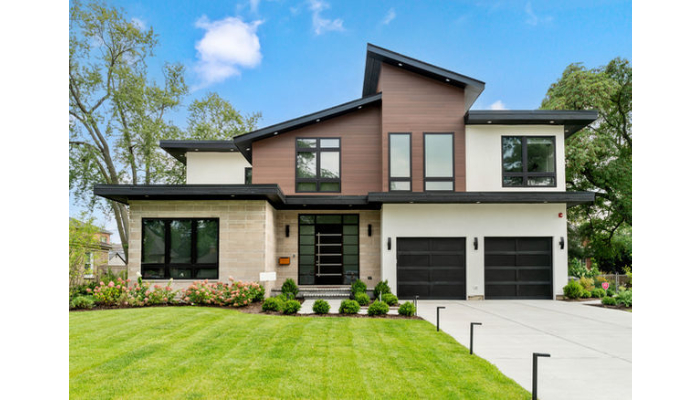
Budgeting for Florida custom home designs can be an exciting journey, but it requires thorough planning. Start by understanding the average costs, ranging from $150 per square foot for basic homes to $450+ for high-end builds. Land prices also vary significantly: coastal lots can exceed $100,000 per acre while inland options are more affordable, at $20,000 to $50,000. Remember to factor in site preparation and foundation choices too. Carefully consider design finishes like cabinetry and flooring which play a major role in your total cost. Finally, budget an extra 10–15% for potential hidden costs and ensure you explore financing options for a smooth experience!
1. Understanding Average Costs for Custom Homes
When diving into the world of Florida custom home designs, it’s vital to grasp the average costs involved. Basic custom homes typically range from $150 to $200 per square foot, making them a practical choice for first-time builders eager to create their dream space without breaking the bank. If you’re looking for something a bit more upscale, mid-range custom homes fall between $200 and $300 per square foot, providing more options for design and finishes that can truly make your home shine. For those aiming for the pinnacle of luxury, high-end custom homes start at $300 per square foot and can soar past $450, showcasing exquisite materials and unique designs that will leave a lasting impression.
To put this into perspective, consider a 2,500 square foot home: the costs can range from an appealing $375,000 to over a staggering $750,000, depending on your choices regarding layout and finishes. The beauty of custom homes lies in the options available, including energy-efficient features that not only save you money in the long run but also contribute to sustainable living. However, remember that even minor upgrades can add up quickly, so it’s essential to keep an eye on your budget as you make decisions.
Understanding local real estate markets can also be a game-changer, giving you insights into where you can get the best value for your investment. Additionally, seasonal trends in building material prices can affect your overall budget, which means timing your project wisely can lead to significant savings. Engaging with a reputable builder early on is crucial; they can provide clarity on realistic cost expectations and guide you through the process. Finally, researching average costs in specific Florida regions will allow you to tailor your budget to suit local economic conditions, making your dream custom home a reality.
2. Key Drivers of Custom Home Budgets
When setting a budget for a custom home in Florida, understanding the key drivers of costs is crucial. Land costs play a significant role, with prices differing dramatically between coastal and inland areas. Coastal lots often exceed $100,000 per acre due to high demand and their proximity to the beach, while inland lots are much more affordable, ranging from $20,000 to $50,000 per acre. This makes a strong argument for considering the location carefully.
Site preparation is another essential factor, with costs varying from $40,000 to over $100,000 depending on the land’s condition. For example, if you’re building on a lot that requires extensive grading or has drainage issues, be prepared for those unexpected expenses. The type of foundation you choose will also significantly impact your budget; options like slab-on-grade are more economical, while raised pilings may come with higher engineering costs, especially in flood-prone areas.
Additionally, zoning regulations can influence land use and may require additional costs for compliance. Neighborhood features, such as access to schools and recreational amenities, can further affect land values. Therefore, it’s wise to familiarize yourself with local market trends to make informed decisions about your land purchase. Collaborating with local real estate experts can provide valuable insights into pricing and availability, ensuring you stay within budget while achieving your dream home.
- Land costs are a major factor, with prices varying significantly between coastal and inland areas.
- Coastal lots often exceed $100,000 per acre, influenced by demand and proximity to the beach.
- Inland lots can range from $20,000 to $50,000 per acre, making them a more affordable option.
- Site preparation costs can vary based on the land’s condition, ranging from $40,000 to $100,000 or more.
- Foundation choices, such as slab-on-grade or raised pilings, can greatly impact costs due to engineering requirements.
- Soil quality and drainage issues can add unexpected expenses during the site prep phase.
- Zoning regulations may influence land use and additional costs for compliance.
- Neighborhood amenities and access to schools can also affect land prices.
- Understanding local market trends can help homeowners make informed decisions about land purchases.
- Working with local real estate experts can provide valuable insights into land pricing and availability.
3. Material and Finish Costs Breakdown
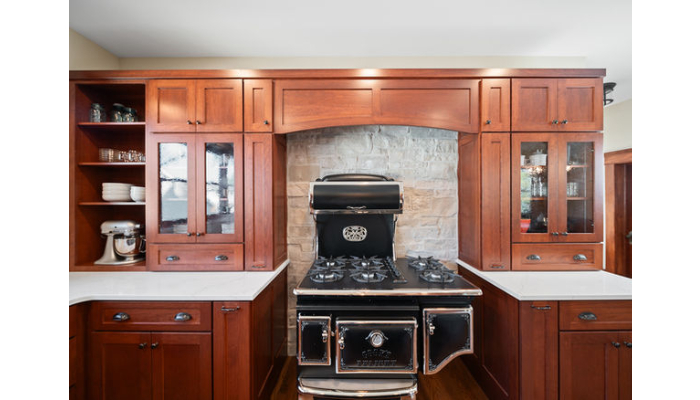
When budgeting for your custom home in Florida, understanding the costs associated with materials and finishes is crucial. Cabinetry, for instance, can be a significant investment, ranging from $15,000 for basic options to over $50,000 for high-end custom designs. Countertops are another key area where costs can vary, with granite and quartz typically priced between $5,000 and $20,000.
Flooring choice impacts both the look of your home and your budget, starting at around $8 per square foot for basic materials and going up significantly for luxury options. Given Florida’s unique weather, investing in impact-rated windows and doors is essential, with costs ranging from $25,000 to $60,000 based on your specifications.
While energy-efficient materials may come with a higher upfront cost, they can lead to substantial savings on utility bills over time. Additionally, the type of finishes you choose, like paint, tile, and fixtures, can dramatically influence your overall design and expenses.
Selecting appliances can also stretch your budget if you opt for high-end brands. To save money, consider sourcing materials locally, which not only reduces shipping costs but also supports the local economy.
It’s also wise to think about the lifecycle costs of the materials; some may require more maintenance than others. Ultimately, investing in quality materials can enhance your home’s value and make it more appealing to future buyers.
4. Labor Costs and Their Impact
Labor costs play a crucial role in the overall budget for your custom home design, typically accounting for about 50% of total building expenses. When hiring a general contractor, you can expect to pay between 15% and 25% of your total project cost for their expertise. This percentage can vary based on the complexity of the job and the contractor’s experience. Specialized trades, like electricians and plumbers, may charge more due to their high demand and specialized skills.
Seasonality also affects labor costs. During peak construction times, such as the spring and summer months, labor rates can rise significantly as demand increases. To mitigate this, consider hiring local laborers who are not only familiar with regional building codes but can also help reduce travel costs associated with out-of-town workers.
Delays in construction can lead to additional expenses, so it’s vital to stick to your timelines. Understanding labor market trends in your area can aid in more accurate budgeting, allowing you to anticipate cost fluctuations. Additionally, negotiating fixed project management fees can provide a sense of predictability in your overall budget, helping you plan more effectively.
The training and experience of the workforce can significantly influence the quality of work and the efficiency of project timelines. Lastly, consider any labor union agreements in your area, as these can offer insights into prevailing wage standards, further informing your budget planning.
5. Permitting and Associated Fees
Permitting is a crucial part of budgeting for your custom home in Florida. Building permits can cost between $1,000 and $4,000, depending on the scope of your project and where you are building. But that’s just the tip of the iceberg. Additional fees for site inspections and engineering reports can add anywhere from $15,000 to $30,000 to your overall budget. Each municipality has its own permitting processes, so understanding local requirements is essential to avoid unexpected costs or delays. Environmental regulations, especially in coastal areas, may require extra permits, which can further impact your budget.
Working with a builder who knows the local permitting landscape can really pay off, streamlining the process and minimizing headaches. It’s also wise to budget for unexpected fees to avoid surprises that could derail your construction timeline. Utilize online resources and local government websites to gather information on permitting requirements and costs. Hiring a professional to assist with permits can save you time and help ensure compliance with all regulations. Staying updated on changes in local laws can help you avoid costly fines or project delays, making it an important aspect of your budgeting strategy.
6. Construction Phases and Budget Allocation
When budgeting for your Florida custom home, it’s essential to understand the various construction phases and how to allocate funds effectively. Start with site preparation and permits, which usually take up about 5% to 10% of your total budget. This initial phase is crucial as it lays the groundwork for everything that follows. Next is the foundation phase, accounting for 10% to 15% of the budget, with costs varying based on the type you choose. For instance, a slab-on-grade foundation is typically more affordable than crawl spaces or raised pilings, which may be necessary in flood-prone areas.
Moving on, the framing and structure will consume about 15% to 20% of your budget. This phase reflects the complexity of your design, more intricate layouts will inevitably require more resources. After that, don’t forget to allocate around 10% to 15% for mechanical systems, including HVAC, plumbing, and electrical installations. Proper planning here is vital to ensure your home is both comfortable and functional.
Interior finishes can represent a significant portion of your budget, often taking up 20% to 30%. The variety of choices available, from cabinets to flooring, means this phase can easily stretch your budget, so choose wisely! Additionally, appliances and fixtures typically add another 5% to 10%, making it essential to plan ahead to avoid unexpected expenses.
Lastly, landscaping and driveway costs can range from 5% to 10%. Investing in curb appeal not only enhances the beauty of your home but can also increase its value. To keep everything on track, create a detailed timeline for each phase and conduct regular budget reviews during construction. Working closely with your contractor will help clarify budget allocation, enabling more informed decisions that align with your vision and financial plan.
7. Location Costs in Florida
Choosing the right location for your custom home in Florida is crucial, as it can significantly affect your budget. Coastal areas often come with hefty construction costs due to strict hurricane codes, which ensure safety but can inflate your expenses. For instance, insurance in these regions can also escalate, adding another layer to your financial planning. On the other hand, inland properties typically offer more affordable land options, ranging from $20,000 to $50,000 per acre, compared to coastal lots that can exceed $100,000 per acre. However, building inland may introduce different challenges, such as unique permitting processes.
Consider the accessibility of amenities, schools, and services in your chosen area, as this can influence the desirability and price of the location. Local climate considerations matter too; the materials you select may need to withstand Florida’s heat and humidity, impacting long-term maintenance costs.
It’s essential to understand flood zones in Florida, as they might require special building techniques and additional insurance, further complicating your budget. Researching neighborhood trends can provide insights into future property values, helping you make an informed investment.
Additionally, zoning laws can vary significantly, affecting what you can build and at what density. Consulting local real estate agents can prove invaluable, as they can guide you to the best areas that align with your budget and lifestyle. Stay informed about local market conditions, as these can fluctuate, impacting your overall expenses and investment potential.
8. Hidden Costs to Consider
Building your dream custom home in Florida is thrilling, but it comes with hidden costs that can catch you off guard. For instance, architectural design fees can range from $5,000 to $25,000 depending on how intricate your design is. If you sell your existing home before construction is complete, you might need temporary housing, which adds to your expenses. Don’t forget about landscaping upgrades or outdoor living spaces, as these can significantly affect your overall budget. Unexpected site conditions, like poor soil quality, may lead to additional costs during construction, so be prepared. It’s wise to budget an extra 10% to 15% for contingencies to cover delays or price increases. Utility connections, including water, sewer, and electricity, can incur additional fees that are easy to overlook. If you’re in a neighborhood with a homeowner association, be aware of those monthly fees too. Think long-term: build quality and potential future repairs should be factored into your budget. Understanding your warranty coverage can also help prevent unforeseen repair costs after completion. For clarity on these hidden costs, consider engaging a financial advisor who can guide you through the process and keep your budget on track.
9. Exploring Financing Options
When it comes to financing your custom home in Florida, exploring various options can make a significant difference. Construction loans are tailored specifically for building projects, often requiring detailed plans and estimates, so having a solid design in place is essential. If you already own a home, leveraging a home equity loan can be a smart move, as it can reduce the total amount you need for construction. It’s important to shop around for the best interest rates, as they can vary widely. Understanding the loan terms, including repayment schedules and potential penalties, can help you avoid surprises down the road.
For eligible buyers, government-backed loans might offer lower rates and better terms, making them an attractive option. Additionally, some builders may provide in-house financing options, which can simplify the process significantly. Don’t forget to investigate grants or assistance programs available for first-time builders, as these can provide valuable support.
As you plan your financing strategy, consider long-term factors like potential increases in property taxes after construction. Being prepared with a good credit score can not only improve your financing opportunities but also help secure lower interest rates. Working with a financial advisor can provide tailored insights to navigate your options effectively, ensuring your custom home dreams become a reality.